
XRP Investment Scorecard: Licensing vs. On‑Chain Utility
Big picture and recent regulatory wins
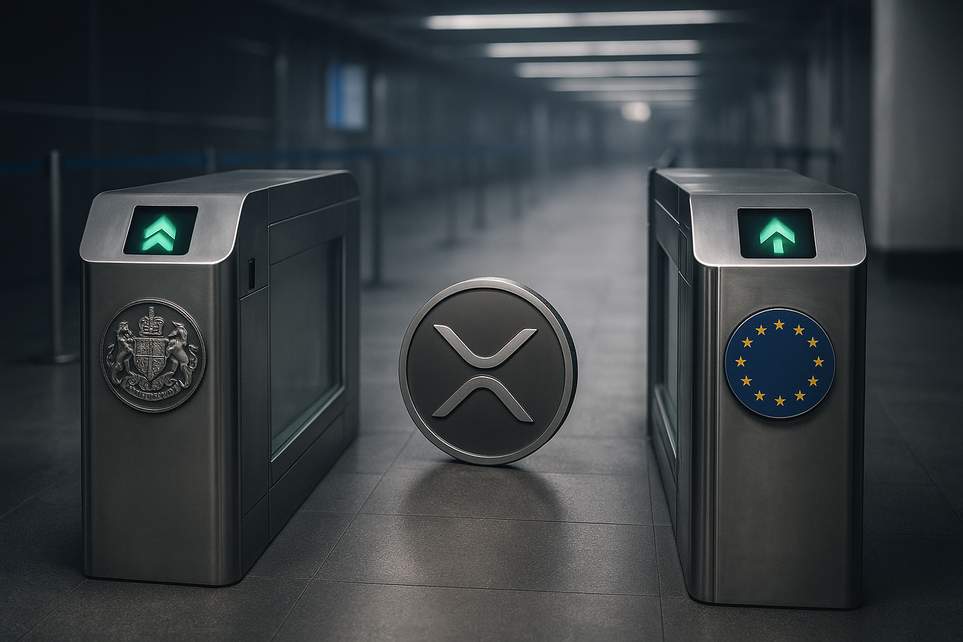
Let’s cut to the chase: Ripple has been collecting regulatory permissions in Europe, which looks good on press releases, but that alone doesn’t magically create demand for XRP. Licenses let a company do business in a regulated way — they don’t force customers to settle with a particular token. Think of licensing as opening a door, not installing a conveyor belt that ships XRP into everyone’s wallets.
Some of the recent headlines involve payments licenses and approvals that matter at the corporate level. Those moves are meaningful because they can expand where Ripple can operate and who it can work with. But whether those permissions translate into sustained on-chain activity depends on a second, hands-on test: do real payments actually end up using the ledger for settlement?
Network health and software maintenance also play a role. The ledger has its own node software and upgrade cycles, and when validators or servers act odd, it muddies the “enterprise-grade” narrative. In short: company-level wins + network reliability + user-level adoption = the only plausible path to genuine utility. Missing any one of those pieces makes the story shaky.
The scorecard: what to watch (and how to read it)
If you want to be empirical and not driven by headlines, track a tight set of on-chain signals. These are the things that prove whether licensing really becomes demand for the token:
Transactions and throughput — Is the ledger actually processing more value and more transactions over several quarters, not just spiking for a week? Short-lived surges don’t equal sustainable utility. Look for multi-quarter re-acceleration, not one-off spikes.
New addresses and wallet growth — Onboarding matters. Are fresh addresses popping up in meaningful numbers and sticking around, or is growth shallow and short-lived?
Fees burned — If on-chain fees (and the resulting token burn) are consistently rising with real usage, that’s a mechanical signal that on-ledger activity is happening rather than just PR buzz.
Decentralized exchange (DEX) volume — Real trading and liquidity on-ledger supports validity of settlement stories. If DEX activity and order flow rise alongside payments and wallets, it’s a better sign than press releases alone.
Now, what do these metrics tell you when you combine them? Here’s a simple rule-of-thumb scorecard you can use as a checklist for 2026:
Bull signposts — Licensing tailwinds are followed by sustained, multi-quarter growth across transactions, new wallets, fees burned, and DEX volume. In other words: the company expands regulated distribution, and the ledger shows persistent, measurable on-chain demand.
Base signposts — Ripple expands its regulated footprint and XRPL activity stabilizes in a post-spike range. You get some ongoing usage, but it’s headline- and liquidity-sensitive; price moves need on-chain confirmation to last.
Bear signposts — Cross-border payments reform stays sluggish, alternative settlement rails (like stablecoins) keep grabbing attention, and on-chain activity fails to re-accelerate. Licensing doesn’t convert into meaningful token demand.
Common misconceptions — “Licensing equals token demand.” Nope. Permissions tell you what the company can do; they don’t prove that customers will choose on-ledger settlement. Also: “Ripple equals the ledger.” The company and the public ledger operate on separate timelines. Network upgrades and maintenance are their own beasts and must be watched independently.
Extra context: macro and market conditions matter. Higher rates, tighter liquidity, or a risk-off environment will make any headline-driven rally harder to sustain unless the on-chain metrics back it up. Conversely, friendly macro conditions can amplify a real on-chain acceleration.
Bottom line: Treat licensing as the start of a funnel, not the end. Audit the funnel by watching a small handful of on-chain metrics over multiple quarters. If those metrics steadily tick up in a way that matches the licensing narrative, you’ve got something worth calling “utility.” If they don’t, congratulations — you’ve spotted a very polished press release with no on-chain receipts.
