
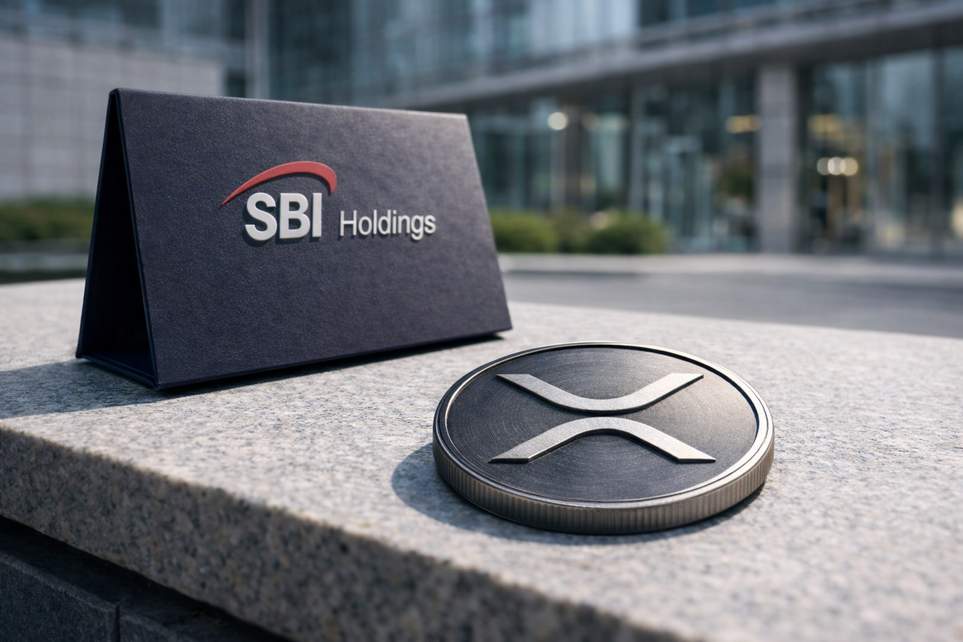
SBI’s Bond Tosses Out XRP Goodie Bags — Tiny Perk, Big Marketing
What SBI is offering (and the tiny XRP twist)
SBI is selling a ¥10 billion, three‑year retail bond, with subscription in mid‑March and issuance on March 24. Pricing was set around March 10 and secondary trading begins on March 25 on a tokenized‑securities platform called START. The bond itself looks ordinary: scheduled interest payments and a principal repayment at maturity on March 23, 2029.
The oddball part is a promotional XRP reward dangled in front of buyers. To qualify you must open an account on SBI VC Trade, complete KYC, and finish the receipt procedures by the stated deadline. The bond minimum is low — ¥10,000 — but the XRP bonus only kicks in for investments of ¥100,000 or more. During the offer, the payout works out to roughly ¥200 worth of XRP per ¥100,000 invested (a one‑time rebate of about 0.2%), credited shortly after the snapshot date.
Ownership records for these bonds are kept on a blockchain‑based registry rather than the traditional custody plumbing, but interest and principal still flow in yen through normal rails. The crypto here is strictly a promotional add‑on, not a payment or part of the bond’s yield.
Why this is more marketing experiment than crypto revolution
Call it loyalty points in fintech clothing. The XRP giveaway looks less like mainstreaming crypto and more like a coupon designed to herd retail customers into an exchange. SBI is essentially paying a small, one‑time token to acquire users and to try to bootstrap trading volume on START.
The math is blunt: at full subscription, the total XRP distributed during the issuance period is tiny in the context of a ¥10 billion deal — on the order of a few tens of millions of yen (roughly a few hundred thousand dollars), or about 0.2% of the issue size. In other words, SBI is buying accounts for a few thousand yen each in token value, which is cheap compared with normal marketing budgets.
Because the reward is outside the bond’s cash flows and gated behind account opening + KYC, it’s structurally a marketing lure. Future, vaguely promised perks on certain dates are still placeholders — useful for headlines but not something investors can build a reliable return model around.
How we’ll know if this strategy worked
There are three clear metrics to watch. One: did the bond actually pull in account signups on SBI VC Trade between now and the receipt deadline? Two: where did investor demand concentrate — many small ¥10,000 buyers, or lots of ¥100,000+ shoppers chasing the XRP? Three: does START see real, sustained secondary trading after March 25, or does volume evaporate?
If signups spike and START trading holds, this looks like a cheap but clever distribution play that can be repeated. If the gimmick produces one‑day headlines and then quiet markets, it’s a launch stunt — handy for funding but useless as a source of ongoing liquidity.
Context matters: Japanese yields and central bank moves have nudged retail returns back into play, so a modest spread on a three‑year paper can be attractive on its own. The XRP bit simply tests whether a small digital‑asset incentive nudges customers toward tokenized offerings without tripping regulatory alarms.
Short version: cute incentive, tiny bite. SBI bought a marketing experiment wrapped in a plain‑vanilla bond. Whether it becomes a repeatable playbook depends on whether the new accounts and platform trading stick around once the free XRP candy is gone.
