
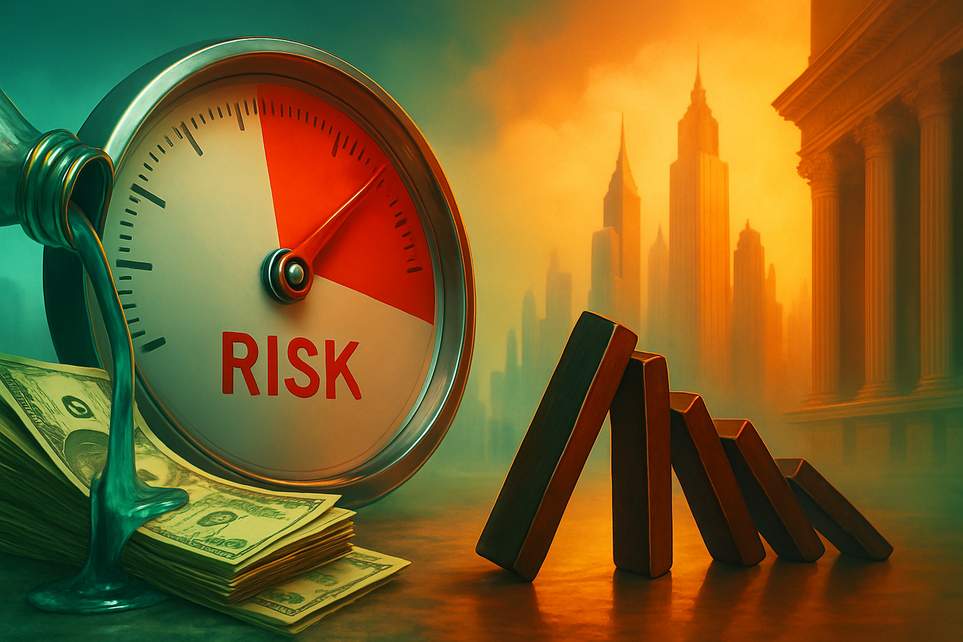
Cheap Cash, Sneaky Risk: What the SOFR Plunge Means for Markets (and Your Bitcoin)
Big finance headline in plain English: an important overnight borrowing rate called SOFR just dove, and while most of us will shrug, markets are doing a double-take. Short-term borrowing got a lot cheaper almost overnight — like someone opening a fire hydrant in the middle of a drought. Feels good. Might be risky.
Why the SOFR plunge actually matters
SOFR is the price banks pay to borrow cash overnight using Treasuries as collateral. When it drops fast, it doesn’t always mean everything’s magically safer — it often means there’s a lot of cash floating around but not enough high-quality stuff to pledge as collateral. Translation: money is chasing safety, or someone is quietly loosening the taps.
That kind of move can come from big-ticket things like sudden Treasury issuance, policy actors getting ahead of themselves, or dealers and funds rebalancing in a hurry. History shows similar liquidity waves in 2019 and after the regional bank scares in 2023, when short-term plumbing was soothed by extra cash and emergency measures.
Cheaper financing is tempting: it reduces borrowing costs for traders and banks, makes leverage easier, and greases the wheels for hedges and risk-taking. But it’s also a sign that the system is being held together by intervention rather than by durable strength.
What this likely means for markets (and your crypto stash)
Short-term effect: expect a mood lift. Equities, tech, and higher-risk assets often bounce when funding gets cheap again. Digital assets like Bitcoin historically piggyback on these liquidity flushes because investors hunt yield and chase returns when cash is cheap.
But here’s the punchline: the rally feels organic but might be borrowed (literally). When liquidity is the driver, price moves can be amplified by leverage and quick to reverse once conditions tighten. In plain English: good vibes followed by whiplash if the tap gets turned off.
Who wins and who frowns? Traders and leveraged funds enjoy lower funding costs and a nice trading window. Savers, retirees, and businesses on floating-rate loans get reminded that yields and stability are policy-dependent — and fleeting.
So treat any sudden market joy like a party thrown by someone else: great while it lasts, but check the exit signs. If you’re into crypto, yes, liquidity can lift prices, but beware of buying into illusionary strength. History shows liquidity can hide real risks, not erase them.
Final thought: when cash flows feel like an IV drip for markets, it’s worth being a little skeptical and a little nimble. Skip one latte if you must, but don’t mortgage your future on the buzz of cheap funding.
