
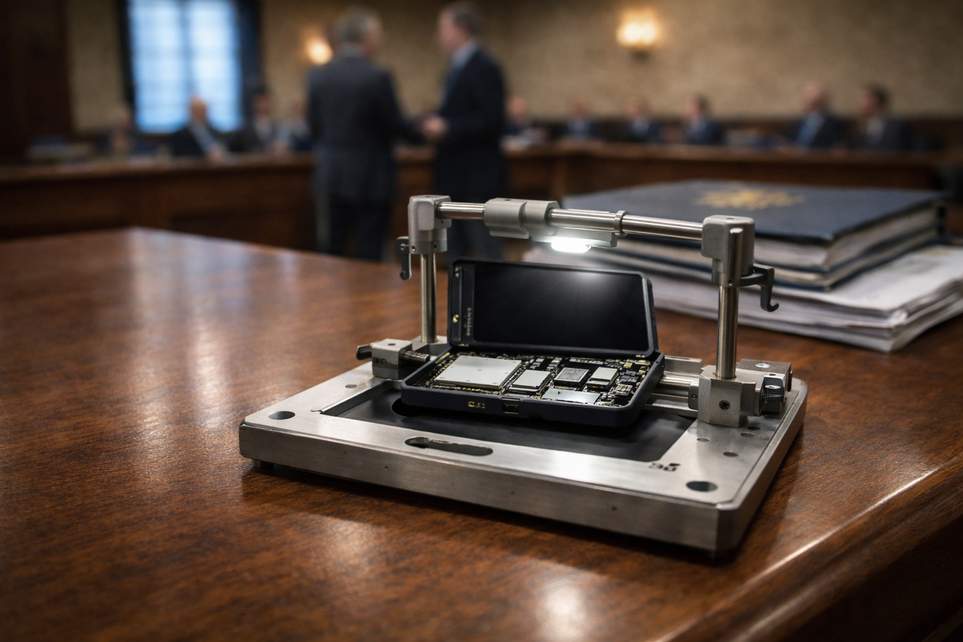
Kentucky’s Wallet Curveball: How a ‘Help’ Rule Could Turn Into a Backdoor Demand
Kentucky passed a sensible-looking consumer-protection bill aimed at cryptocurrency kiosks, stuffed with limits and safeguards — daily transaction caps, account limits for new users, a short cancellation window, fee limits, mandatory scam warnings, and clearer refund rights for people who get scammed. But tucked into an amendment was a surprise requirement that could force hardware wallet makers to rewrite how their devices work, or simply stop selling in the state.
The weird twist in a consumer-protection bill
The bill — originally meant to rein in sketchy kiosk operators — picked up a last-minute House amendment that says any “hardware wallet provider” must offer live customer support and a way to reset passwords, PINs, seed phrases, or similar things needed to access a wallet. Sounds helpful, right? Until you remember what a seed phrase actually is.
A seed phrase is the master key to a non-custodial wallet: if someone else gets it, they get your coins. That’s why true self-custody devices give the seed to the user and destroy any manufacturer copy. For years some vendors have embraced optional recovery services that reconstruct a seed under strict controls, while others insist that losing your backup means losing access — the price of absolute self-control.
Why wallet makers are sweating (and why this looks like a backdoor)
Put bluntly: the law treats voluntary recovery tools and mandatory manufacturer assistance the same. If this stays, hardware wallet companies would either need to store or be able to rebuild seed phrases for any user in Kentucky. That creates a remote reconstruction path — in practice, a cryptographic backdoor — or forces firms to change their design philosophy entirely.
That’s a big deal. Companies that already offer paid, identity-verified recovery options are closer to compliance. Pure non-custodial vendors — the ones that deliberately never keep copies of seeds — would face a choice: redesign and accept new risks, eat regulatory exposure, or stop serving Kentucky customers. Either way, people who want simple, hardened self-custody options could see fewer choices.
What can fix it — and the ticking clock
The legislature’s schedule means the Senate has a narrow window to revisit the amendment. A straightforward fix would be to strip the recovery requirement or explicitly exclude self-hosted, non-custodial devices from that obligation, preserving the kiosk protections while keeping wallet sovereignty intact. That lets the consumer-protection parts — caps, warnings, refund rights — remain in force without forcing manufacturers to compromise cryptographic design.
Absent that fix, the practical result is messy: some vendors may accept the compliance headache, others will withdraw or limit sales, and Kentuckians could lose access to certain non-custodial hardware wallets. Given other regulators and states carving different paths — some excluding pure self-custody tools from custody rules, others cracking down hard on kiosks — Kentucky is effectively a test case with real consequences for the market.
Short version: the kiosk problem is real and the consumer-focused parts of the bill make sense. But the added mandate tacks on an engineering duty at odds with what non-custodial wallets are supposed to do. The Senate can fix that without throwing out the bill’s good bits — if it acts before the clock runs out.
