
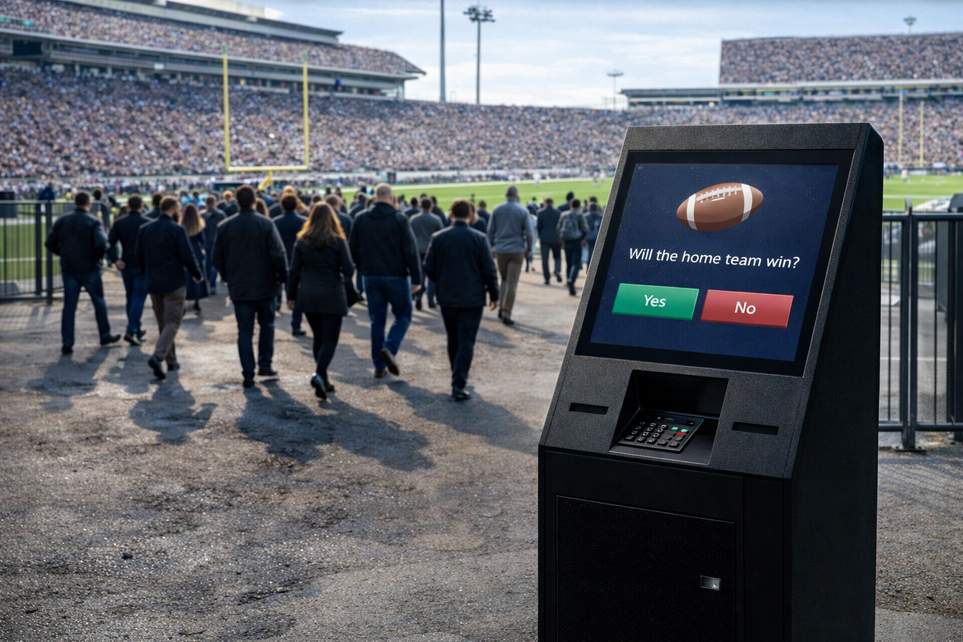
How Sports Turned Prediction Markets into the Wild West (and Why Congress Might Rein Them In)
Why sports blew up prediction markets — and why that’s a problem
Prediction markets started as a nerdy, clever way to turn guesses into prices — a place where people could trade opinions on elections, policy, or whether inflation will behave itself. Then sports walked in like a rock band and sold out arenas. Suddenly these platforms went from boutique forecasting tools to mainstream entertainment: fast-moving, headline-driven, and packed with casual bettors who just want to win money and brag.
That growth is great for volume and clicks, but it also exposed a gnarly legal identity crisis. Regulators and states are asking if these products are financial derivatives (think swaps) that the federal government should supervise, or if they’re just gambling dressed up in fancy language. If they’re swaps, federal agencies get to run the show. If they’re bets, states keep the power — including licensing, taxes, and consumer protections.
Meanwhile, enforcement has already started in several places: state prosecutors, judges, and federal rule writers are all poking around. Lawmakers are even proposing bills to ban sports-style and casino-style contracts on federally regulated prediction platforms. In short: what once felt like a startup-versus-state scuffle has ballooned into a national debate about whether this business model should exist as-is.
What’s next: courts, Congress, and product design
At the heart of this mess is one deceptively simple question: are these markets for trading outcomes or for placing bets? The answer decides who gets to regulate them. Courts have split on this, sometimes siding with platforms and sometimes with states — so the legal landscape is messy and inconsistent.
But don’t underestimate the role of product design. The more a platform looks like a neutral exchange — transparent order books, clean settlement rules, clear outcome definitions, anti-abuse systems — the easier it is to argue it’s a financial market. The more it looks like a flashy bookmaker pushing quirky bets and fuzzy outcomes, the harder that argument becomes.
Ambiguous contracts are the industry’s banana peels. A simple yes-or-no market is great until people start arguing over what “yes” really means. Pop-culture examples (did an artist ‘perform’ if they were on stage but silent?) show how quickly a playful market can turn into courtroom theater. Contracts that hinge on subjective interpretation or inside info invite litigation and political backlash.
There’s also money on the line. States collect taxes and regulate for consumer safety; prediction markets siphoning off sports-related customers can wound state tax receipts and the regulated sports-betting industry. That explains why some states have gone after platforms aggressively — it’s about revenue, competition, and protecting the regulatory framework they built.
So what’s likely to happen? Expect a hybrid outcome. Courts and agencies will keep splitting hairs, lawmakers may carve out specific prohibitions for sports and casino-style contracts, and federal rulemaking will demand stricter transparency, settlement precision, and surveillance measures. Platforms won’t simply be allowed to call themselves exchanges — they’ll need to prove it through architecture, policy, and daily operations.
Bottom line: prediction markets struck gold by getting cozy with sports, but that success created the very controversy threatening their freedom to operate. If platforms want national reach without constant legal ambushes, they’ll need cleaner contracts, clearer settlement rules, and a design that actually looks like the market they claim to be. The fight between gambling and finance is just warming up, and it could take years to settle.
