
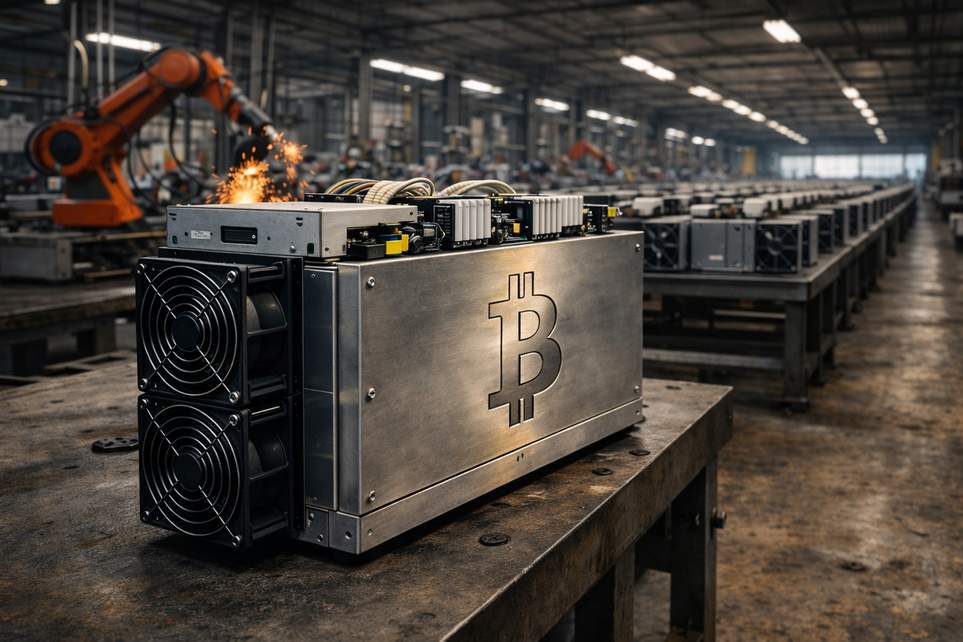
Washington Wants American-Made Bitcoin Rigs (Apparently Hardware Has Feelings Now)
What’s the big deal?
Quick version: the United States runs a giant share of the world’s Bitcoin-mining action, but the machines doing the heavy lifting mostly come from abroad — and a lot of them trace back to China. That sets up a weird situation: we’re winning the mining game, but we’re renting the equipment from someone else. Cue nervous fidgeting in committee rooms.
Senators Bill Cassidy and Cynthia Lummis introduced the Mined in America Act late March to tackle that mismatch. The idea is part national-security eyebrow-raise, part industrial-policy pep talk: make it easier to certify and build mining gear in the U.S., and lock a government Bitcoin stash into law so hardware sourcing gets tied to a financial instrument.
Why should anyone outside the very niche hobby of watching computer fans spin care? For starters, a customs seizure or supply snag can suddenly hobble operations. When margins are thin — and miners are often running close to break-even — being unable to replace hardware quickly because of a port hold or a tariff spike is a real pain. Also, mining now touches power grids, regional utility politics, and even how some public funds are treated. It’s not just nerds and LEDs anymore.
What the bill wants — and what could happen next
The Mined in America Act proposes three headline moves: a voluntary “Mined in America” certification for mining facilities, federal support to grow domestic manufacturing capacity, and officially writing a Strategic Bitcoin Reserve into law so it survives beyond any single president’s ink pen.
Certification would nudge operators to phase out gear tied to foreign adversaries. Agencies like NIST and the Manufacturing Extension Partnership would be asked to help scale up domestic production, leaning on existing federal programs for energy and rural manufacturing. In short: use the government toolbox to make more rigs in American places, with American bits (or at least fewer mystery parts).
The bill also aims to upgrade an executive-order reserve into statute. That means the government’s Bitcoin hoard — originally cobbled together from forfeited assets — would have a firmer legal status and could be paired with the hardware-security argument in budget and policy discussions.
There’s already been some enforcement drama: ports have seen seizures of Chinese-made mining gear, and that kind of friction made the supply-chain argument more than theoretical. Meanwhile, mining economics aren’t always forgiving. Reports show parts of the global fleet operating at a loss under certain prices, which makes any hardware disruption more painful.
On the industry side, some foreign manufacturers are planting roots in the U.S. to dodge tariffs and win business, while a few domestic firms are pushing ASIC designs they say are made in America. But there’s an important distinction here: assembling imported parts on U.S. soil vs. designing and sourcing critical components domestically are two very different supply chains — and the bill will eventually have to pick which one gets the shiny label.
Outcomes split into two obvious scenarios. The optimistic playbook: U.S. manufacturing scales up, certified facilities shop domestically, and the country lowers its upstream dependence while keeping a healthy chunk of global hash. The pessimistic version: the certification becomes marketing fluff, miners keep buying the best-priced gear wherever it comes from, and Washington’s ambitions run ahead of what the manufacturing base can actually deliver.
Either way, the bill puts the hardware story on the record. That matters because policymakers are starting to treat crypto infrastructure like they treat chips, batteries, and telecom gear — as something worth defending, subsidizing, or at least regulating with an eye toward national resilience.
Bottom line: this is less about treasure-hunting Bitcoin drama and more about whether the U.S. wants to be in the business of building the machines that run modern, power-hungry compute industries. If you like drama, you’ll enjoy the committee hearings. If you like spreadsheets and supply chains, you’ll enjoy the potential invoices.
