
White House and Regulators Turn Up the Heat on the CLARITY Act
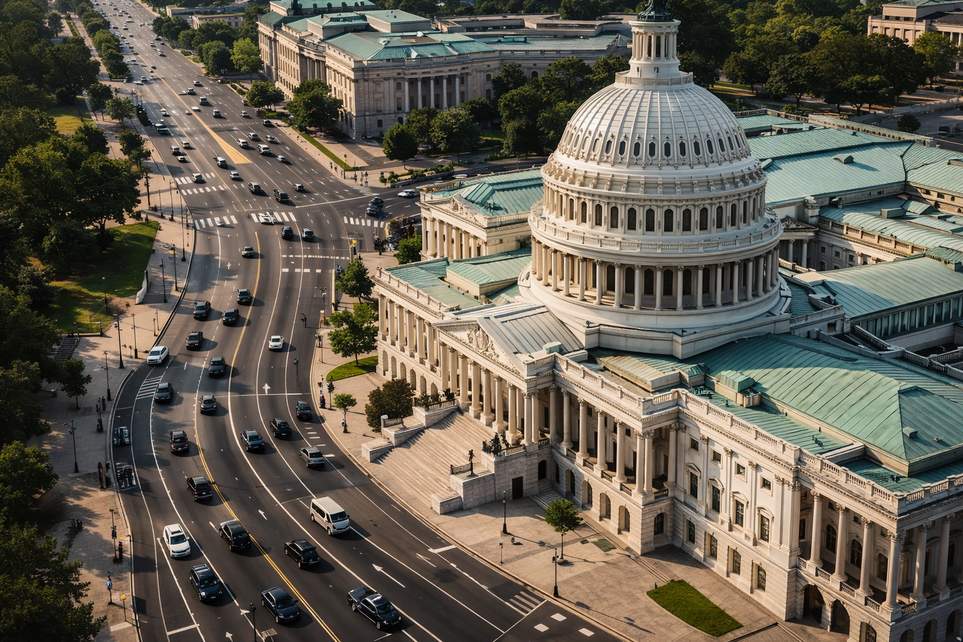
Capitol Hill just got a tidal wave of memos, op-eds and rule drafts aimed at one goal: shove the CLARITY Act across the finish line. In plain terms, the White House, Treasury, and top market watchdogs have synchronized a full-court press on the Senate to resolve how the U.S. will regulate crypto — especially stablecoins — before politics gobble up the calendar.
White House and regulators crank up the pressure
This week felt like an all-hands meeting where everyone showed up with talking points. Treasury, the White House economic team, the SEC and the CFTC all released papers, statements and proposed rules meant to remove excuses for delay. The idea: neutralize the banking lobby’s economic scare stories and prod the Senate Banking Committee into finally holding a markup.
Administration officials have been blunt — they want a clear federal framework and they’re saying the regulators are ready to implement it. Agency leaders have signaled their playbooks are prepared so Congress can legislate without worrying that the agencies will be caught flat-footed. Industry figures added their two cents, urging lawmakers that imperfect progress beats endless stalling.
What’s actually at stake — stablecoins, rules and the ticking clock
The CLARITY Act already cleared the House last year but has been stuck in the Senate, largely because of a sharp fight over whether stablecoins should be allowed to pay interest. Traditional banks argue that interest-bearing stablecoins could pull deposits away and weaken lending. The administration’s economic advisers pushed back with numbers showing that banning yields would barely move total U.S. bank lending — on the order of a couple billion dollars in a $12 trillion market — while imposing meaningful losses on consumers who’d be deprived of returns on their digital cash.
At the same time, Treasury agencies floated stricter rules for stablecoin issuers: treat them like financial institutions under the Bank Secrecy Act, require anti-money-laundering and sanctions programs, and build technical controls so issuers can block, freeze or reject transactions that violate law. That’s the “tough-love” side of the pitch: show Congress regulators are serious about national security and illicit-finance risks while lawmakers sort out market structure.
The GENIUS Act earlier set parts of the stablecoin framework in motion, but without a broader market-structure law the picture remains incomplete — decentralized exchanges and tokenized assets could still live in regulatory twilight. With midterm elections approaching, supporters warn there’s a narrow window to pass legislation: delay much longer and a shift in power could pause crypto policymaking for years. Meanwhile, some development continues to flow to friendlier shores with clearer rules.
Bottom line: the administration has laid out both carrots and sticks — legal protections, regulatory readiness, and tighter compliance rules — to persuade senators to act. Whether that will be enough before election-year politics take over is the cliffhanger. For now, the signal is loud and clear: the push for a U.S. rulebook on digital assets just moved from gentle nudge to full-on shove (with a pinch of bureaucratic swagger).
