
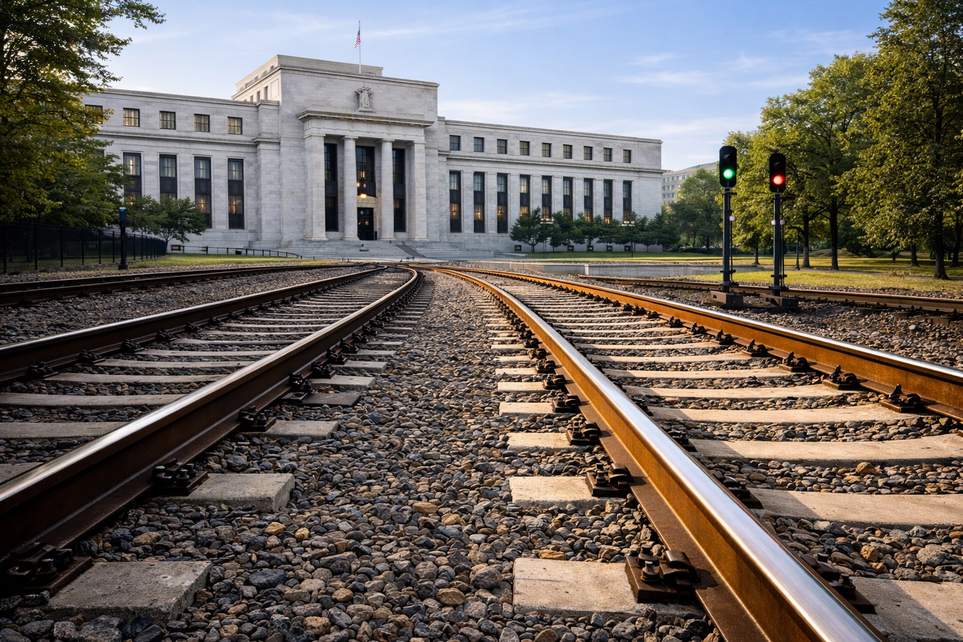
The Fed is building competition for XRP’s core payments use case into the FedNow banking system
Short version: the Federal Reserve and big payment networks are quietly upgrading the plumbing banks use to move money. That matters because XRP built its street cred by promising faster, cheaper cross-border transfers — and now some of the folks who run the old plumbing are trying to deliver the same benefits inside regulated systems.
FedNow, bank rails, and why incumbents are suddenly interesting
The Fed recently proposed letting banks use intermediaries with FedNow so the domestic leg of a payment can be handled inside its fast-settlement system while another party handles the international part. On paper it’s a technical tweak; in practice it lets regulated banks stitch together faster cross-border flows without inventing a brand-new asset or network.
At the same time, long-standing networks and large banks are rolling out upgrades aimed at speed, predictable costs, full-value delivery, instant settlement where possible, and traceability end-to-end. In other words: fewer surprise fees, fewer mysterious delays, and less time spent refreshing a transfer status page like a caffeinated detective.
Remember: the old systems still move enormous sums every day and they carry institutional trust. Upgrading what already works at scale is a different kind of competition than a shiny new token promising to upend everything — it’s incumbents closing the gap while keeping their customers and regulatory cover.
So what does this mean for XRP — and for folks holding it?
XRP’s selling point has been clear: move money fast across borders with tiny fees and minimal pre-funded accounts. That was a great pitch when bank rails felt slow, opaque, and clunky. But if banks and central-bank-linked systems start offering much of the same convenience inside the regulated world, the urgency to switch to a neutral bridge asset drops.
That doesn’t mean XRP disappears. It can still be useful where niche corridors, specific liquidity needs, or particular partners make it the best tool for the job. But the broader, sweeping narrative — the idea that legacy rails are hopeless and a token will fix everything — looks shakier when incumbents are actually fixing things.
Markets haven’t fully responded yet: people still trade XRP and options/futures desks keep taking positions. That raises the usual risk: when the story behind an asset changes, prices can shift not because something dramatic broke, but because expectations are being quietly re-ranked.
Bottom line: XRP now faces a different test. It must prove it adds value even as banks modernize, not just that it once had the right idea. For holders and traders, that turns the question from “Is XRP useful?” to “Is XRP uniquely useful enough to deserve a premium?” — and the answer depends on whether it can carve out durable, corridor-specific wins or become a nice-but-not-essential shortcut in a faster-regulated world.
Either way, this is a reminder that when the legacy system learns the same tricks, the underdog needs more than nostalgia and good marketing — it needs real, repeatable advantages. Time for XRP to hustle.
