
Treasury Yields Spike Sends Bitcoin Back Under $82K
Bitcoin tried to moon but tripped over a pile of Treasurys — slipping back under the $82,000 mark and drifting toward the high $70,000s. A whiff of regulatory progress briefly pumped optimism, but bond yields raced higher and stole the spotlight, leaving BTC to sulk below a key resistance level.
Why Treasuries are crashing Bitcoin’s party
Quick version: government debt got juicier and investors got picky. The 10-year Treasury climbed above about 4.5% (the highest in months) while the long bond inched toward levels not seen in nearly two decades. When safe, risk-free paper starts paying something real, it raises the bar for speculative, zero-yield assets — yes, that includes Bitcoin.
Traders treated recent political and regulatory progress like a “buy the rumor, sell the news” moment. The policy win gave hope for clearer rules, but it wasn’t enough to overcome the lure of higher yields. In plain-speak: cash and Treasurys now look more attractive, so piggybacking on a volatile, non-yielding asset looks a little less fun.
Where the flows and flavors of crypto are moving
Flows tell the story. U.S. spot Bitcoin ETFs — a primary route for institutions to buy BTC — suddenly showed big withdrawals, the biggest weekly outflow seen in months. That pullback removes a major source of spot demand just as Bitcoin tries to reclaim its technical footing.
On-chain and exchange-level metrics back that up. Buying pressure that looked healthy a few weeks ago has thinned out considerably across major venues. Some traders even saw net sell pressure on specific days, leaving Bitcoin parked in a precarious pivot zone with thinner support than during the earlier rally.
At the same time, smart-money players have been quietly favoring flexibility over conviction: more stablecoins, ready-to-deploy cash, and generally less directional exposure. That’s caution, not panic — folks are just waiting for a clearer catalyst.
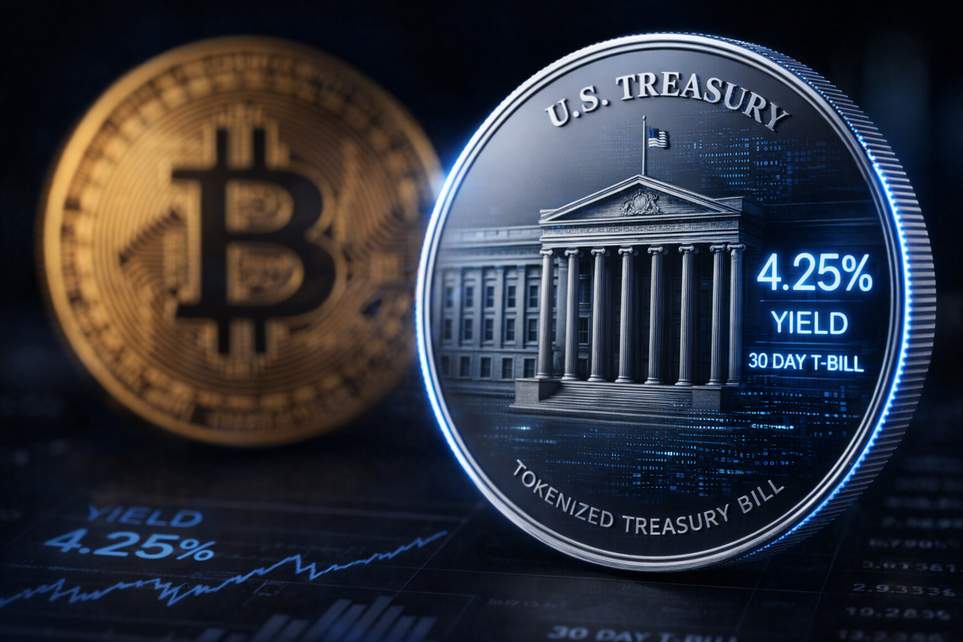
There’s a silver lining for the crypto ecosystem, though: the same higher-rate environment that pinches Bitcoin is turbocharging interest in tokenized short-term Treasurys and other yield-bearing blockchain products. Tokenized U.S. Treasurys have ballooned in value this year, signaling that capital is still flowing through crypto rails — but into instruments that actually pay a yield.
Bottom line: unless Treasury yields fall back or ETF inflows come roaring back to soak up the rate shock, Bitcoin is likely to trade in a range between the upper $70,000s and roughly $82,000. Short-term pain for BTC doesn’t erase the long-term scarcity story, but for now the market is behaving like someone choosing between an exciting adventure and a comfortable savings account that actually pays interest.
