
Bitcoin at the Strait: Iran’s ‘Hormuz Safe’ and the wild idea of paying ship insurance in BTC
The bizarre headline, boiled down
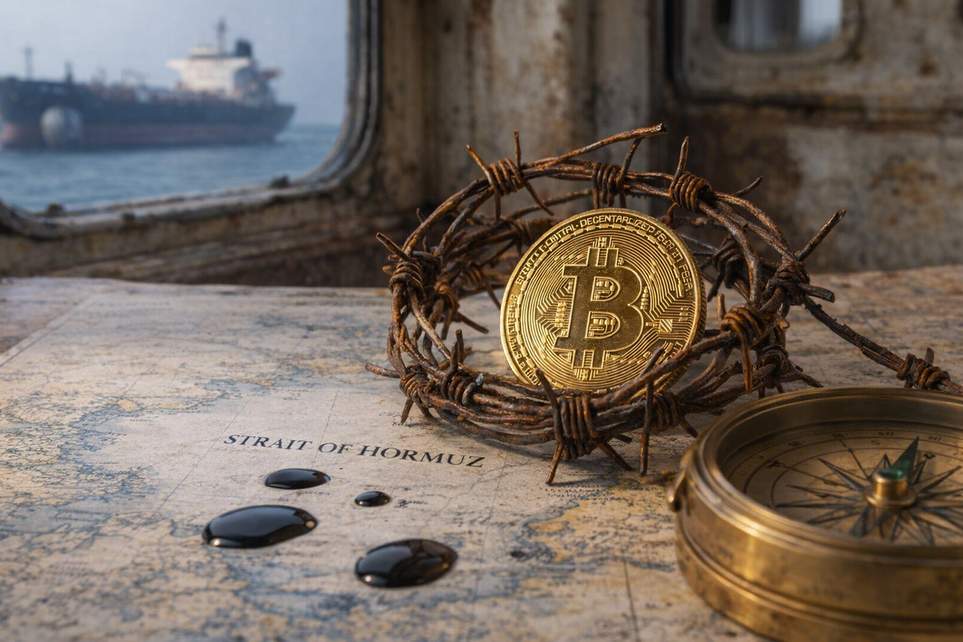
Okay, imagine this: a website pops up bragging about a platform called “Hormuz Safe” that promises to insure ships crossing the Strait of Hormuz — and insists premiums will be paid in Bitcoin. The initial story came from an outlet tied to Iran’s Revolutionary Guard, which says the Economy Ministry has been tinkering with the idea and even forecasts heavy revenue. The site itself had a “coming soon” vibe and some techno-speak about fast, cryptographically verifiable claims paid in BTC. Fancy — and also: not exactly confirmed by any official government release or regulator.
To make things messier, maritime-risk firms have warned for weeks that scammy messages are asking for crypto payments in exchange for safe-passage paperwork. One scary incident involved a tanker acting on a bogus clearance message and getting fired upon. Translation: before you accept any claims about Bitcoin toll booths in Hormuz, treat everything like it might be a prank from the internet’s darker corners.
Why this would matter — and why regulators are twitchy
If Hormuz Safe were real and actually processed payments, it wouldn’t just be a quirky niche use-case — it would be Bitcoin being used as the settlement layer for transactions in an active conflict zone. That’s a first-of-its-kind stress test for crypto: a sanctioned state, a geopolitical choke point, and money moving where traditional banking and insurance are blocked or unaffordable.
U.S. regulators have already waved red flags. Treasury guidance has warned that making payments related to Hormuz passage can create sanctions exposure no matter how you pay. Another federal alert noted that Iran’s digital-asset ecosystem is dominated by state-linked actors and flagged payments tied to Iranian oil and shipping as suspicious. International bodies have also labeled Iran a high-risk jurisdiction and urged strong countermeasures. In short: if a wallet gets tied to a Hormuz payment, that address could become a target for enforcement and freezing — and anyone touching those funds might face headaches.
Here’s the catch for intermediaries like exchanges and brokers: Bitcoin’s ledger is public, but proving that a specific on-chain address was used for a particular insurance payment usually needs off-chain evidence. Once that link is made, regulated venues must wrestle with blocking suspected tainted flows or risking legal exposure. That squeeze — technical neutrality at the protocol level versus practical limitations imposed by law and compliance — is where the Hormuz story turns theoretical friction into real policy drama.
Beyond legalities, the economics are striking. During recent tensions, war-risk insurance for transits spiked from tiny fractions of a vessel’s value to double-digit percentages for a single crossing, and traffic through the strait collapsed. If a Bitcoin-based solution worked and attracted a meaningful number of customers, supporters would point to it as a live demonstration of crypto settling real-world obligations where banks won’t tread. Skeptics would point to the inevitable consequences: enforcement pressure, frozen addresses, and a regulatory crackdown that could choke off liquidity for those flows.
So whether Hormuz Safe is a clever scheme, an embryonic payment experiment, or just a rumor with a dramatic press-release vibe, it forces a big-picture question into the open: is the base layer of Bitcoin truly neutral in practice, or only in design? The answer probably depends less on cryptography and more on the people and institutions sitting on both ends of the line.
Either way, the saga is a reminder that when finance meets geopolitics, the plot gets spicy — and the popcorn will be electric.
