
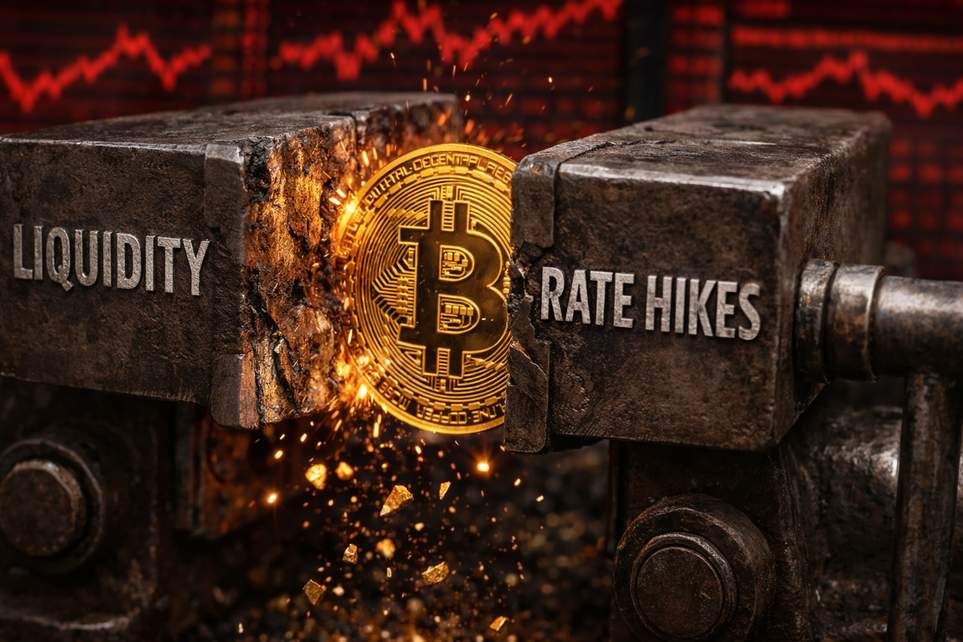
When Fed Minutes Swap Bitcoin’s Rate-Cut Fantasy for a Hike Scare
Here’s the short version: the Federal Reserve’s meeting minutes played spoiler for Bitcoin bulls who were expecting the Fed to start cutting rates later this year. Instead of whispering “easy money,” the minutes hinted that policymakers might tighten if inflation keeps misbehaving — which, yes, makes risk assets like Bitcoin breathe a little less easily.
Why the Fed minutes spooked Bitcoin
The Fed left its policy rate parked at 3.50%–3.75% and the minutes showed a surprisingly split room — several officials wanted to strip out language suggesting rate cuts were coming. That’s a small technical tweak on paper, but in markets it reads like a neon sign: “Less likely to loosen.”
Why does that matter for Bitcoin? Simple: liquidity. When the market expects rate cuts, money gets cheaper, the dollar softens, and investors lean into spicy, volatile bets. Expecting hikes does the opposite — yields go up, the dollar strengthens, and non-yielding assets like Bitcoin suddenly have to compete with tidy Treasury returns. Short version: safer yields make risky bets less appealing.
Two real-world things nudged policymakers: a spike in energy prices tied to geopolitical unrest and a jump in inflation readings (April CPI landed well above the 2% goal). Those supply-side shocks stuck around long enough that a chunk of the Fed started acting less tolerant of higher inflation even if it was partially driven by global events.
What this means for BTC and why ETFs make it messier
Bitcoin used to be insulated by crypto-only trading flows. Now that spot Bitcoin ETFs live in the same brokerage accounts as stocks and bond funds, large allocators can treat BTC like any other risk position — and take money out when bond yields look tasty. When the 10-year Treasury yield climbed to multi-month highs, that made a non-yielding asset a tougher sell, and ETFs saw nearly a billion dollars in outflows that week.
That kind of flow dynamic helps explain why Bitcoin’s price reacted before the Fed actually changed a rate: markets price expectations, and expectations shifted toward a greater chance of hikes. Bitcoin was trading in a rough range near the high $70Ks, comfortably below its cycle top, but the minutes made it clear the next surprise is more likely to be “hawkish” than “dovish.”
History leaves a warning sign: the 2022 hiking cycle crushed risk assets as the Fed pushed rates much higher. The situation today isn’t an exact repeat, but the lesson is the same — sustained hawkishness and stubborn inflation create a much tougher environment for a rally than friendly regulatory headlines alone can fix.
Yes, there are regulatory wins and better infrastructure that give Bitcoin a nice narrative. But in the short term, liquidity usually trumps narrative. You can have all the policy cheerleading you want, but if the money turns tight and bond yields look attractive, BTC will feel the squeeze.
Takeaway: the Fed minutes didn’t slap Bitcoin with an actual rate increase, but they did swap the market’s hopeful rate-cut storyline for a higher-risk of tightening. That subtle shift is exactly the sort of thing that can turn a comfortable uptrend into a lot more squirming and volatility.
