
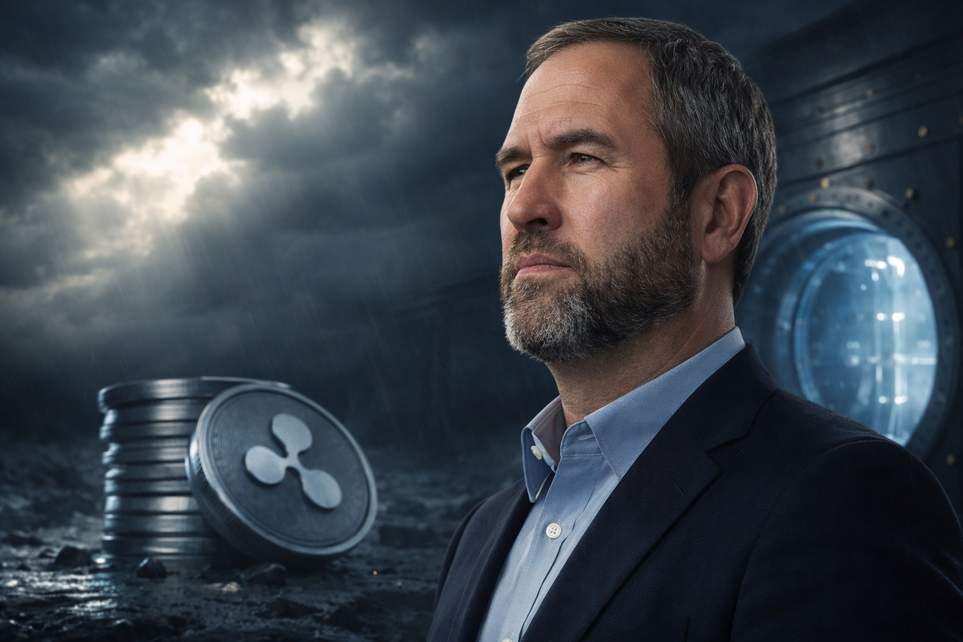
Ripple CEO: We Nearly Shut the Company After the SEC Suit
Brad Garlinghouse says there was a real moment of “uh-oh” when the SEC sued Ripple in 2020. He and co‑founder Chris Larsen briefly entertained the idea of closing shop and handing Ripple’s XRP hoard back to shareholders — a tidy but dramatic way to exit a nightmare legal saga.
A hair’s-breadth from shutdown
According to Garlinghouse, the lawsuit forced a brutal cost‑benefit conversation: keep fighting a powerful government agency with deep pockets, or wind the company down and cut losses. Shutting Ripple would’ve protected the folks still holding the company’s XRP, but it would also have meant waving goodbye to hundreds of jobs. In the end they chose to keep the lights on and fight, a decision that saved jobs but left Ripple on the legal hook — Garlinghouse estimates the four‑year battle ran roughly $150 million in legal fees.
The court fight didn’t end neatly. The final judgment included a civil penalty in the neighborhood of $125 million and an injunction, even after appeals were dismissed. Those rulings shaped Ripple’s options but didn’t automatically erase the ripple effects (pun intended) in the broader ecosystem.
What this actually meant for XRP and the ledger
Let’s clear up the most confusing part: Ripple the company is not the same thing as the XRP Ledger or the XRP coins people hold in wallets. The plan Garlinghouse described was about the company’s own stash of XRP — one possible exit was to distribute that corporate reserve to shareholders. That wouldn’t have shut down the ledger or magically made people’s wallets vanish.
Having a big reserve of XRP gave Ripple’s leadership options when the courtroom walls started closing in. It was leverage: a possible path to return value to shareholders instead of dragging the company further into a legal sinkhole. Garlinghouse didn’t explicitly say that the reserve paid the legal bills, only that it was a strategic asset that influenced the choice between folding and fighting.
Bottom line: there was a very real moment when Ripple’s founders thought about pulling the plug. They chose the messy, expensive path of litigation instead, which kept the company alive but came with heavy financial and legal fallout. The XRP network itself would likely have kept humming along even if Ripple as a business had shut down — the drama was mostly in the boardroom and the courtroom, not in every wallet out there.
