
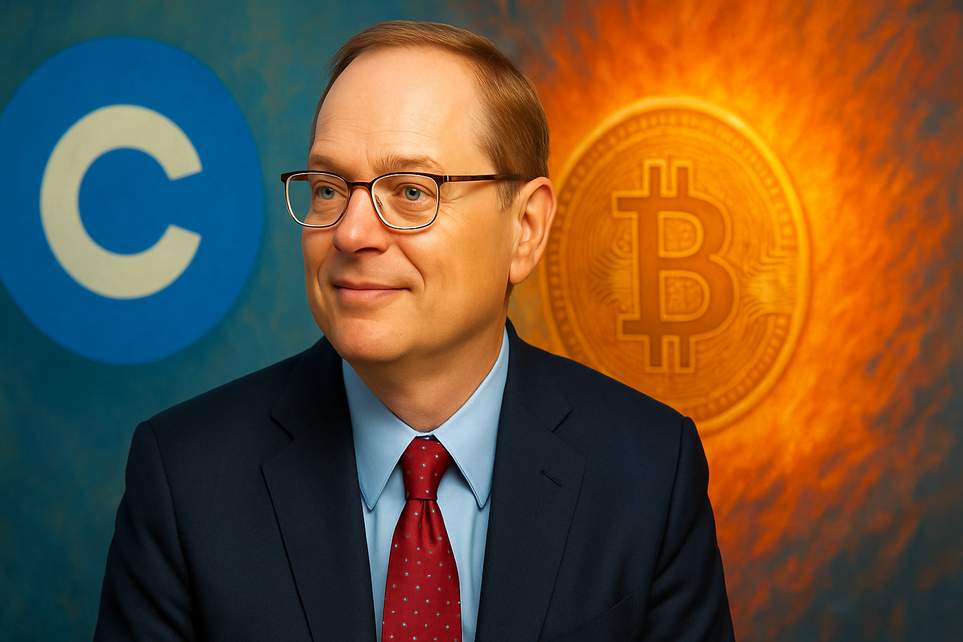
Bitcoin’s Bounce: The ‘Shadow Chair’ and the Dollar Dance
Why BTC suddenly started boogying
Short version: traders started betting the Fed might loosen the reins soon, the dollar took a breather, and Bitcoin got the classic liquidity tailwind. Futures traders pushed up the odds of a December rate cut, the greenback slid for several sessions, and that combo usually equals more risk appetite — which Bitcoin happily gobbled up.
Price action was dramatic: BTC bounced out of an $84k–$87k range and tested the low $90,000s, with spot levels hovering around $92k mid-week. At the same time, the 10-year Treasury yield sat near 4.1% — a level that historically lines up with a ‘risk-on’ mood across crypto and other speculative assets.
There’s also a political subplot: chatter about who might take over the Fed when Jerome Powell’s chair term ends in mid-2026. The mere talk of successors is already nudging markets. Traders are pricing not just policy moves, but expectations of future bias — and that shapes the dollar and yields long before any new chair actually sits in the big leather chair.
What to watch (and why the ‘shadow chair’ matters)
Call it the “shadow chair” effect: markets are adjusting based on the perceived leanings of likely nominees. If investors believe the next chair will favor earlier cuts or slower balance-sheet runoff, the dollar can weaken and yields can ease — which is Bitcoin-friendly. Think of the policy chatter as background music that changes the dance floor.
Candidate personalities matter because each would pull policy in subtly different directions. Some names being discussed are seen as more dovish and some as firmer on inflation. Those differences translate into shifts in the term premium, curve positioning, and dollar strength — and crypto traders trade those shifts.
Positioning amplified the move. November saw heavy redemptions from U.S. spot Bitcoin ETFs, so when macro pressure softened, short covering and mechanical demand from smaller flows produced a quick rebound. If ETF flows resume strongly and stay steady, the market can absorb miner selling and profit-taking. If outflows keep up, that bounce could be capped no matter how friendly rates look.
Risk reminders: a hawkish surprise or hotter-than-expected inflation would flip the script — firming the dollar, lifting yields, and pressuring risk assets including crypto. Also remember the timeline: a presidential announcement about a nominee (expected early 2026) only starts months of hearings and Senate debate. Until a successor is confirmed, the current Fed committee still makes policy.
So, the tidy takeaway is this: the recent BTC rally is mainly a rates-and-dollar trade, with the chair chatter acting as an amplifier. Watch Fed rate odds, the dollar’s direction, long yields, and ETF flow data — those signals will tell you whether this rebound has legs or is just a high-velocity hiccup.
