
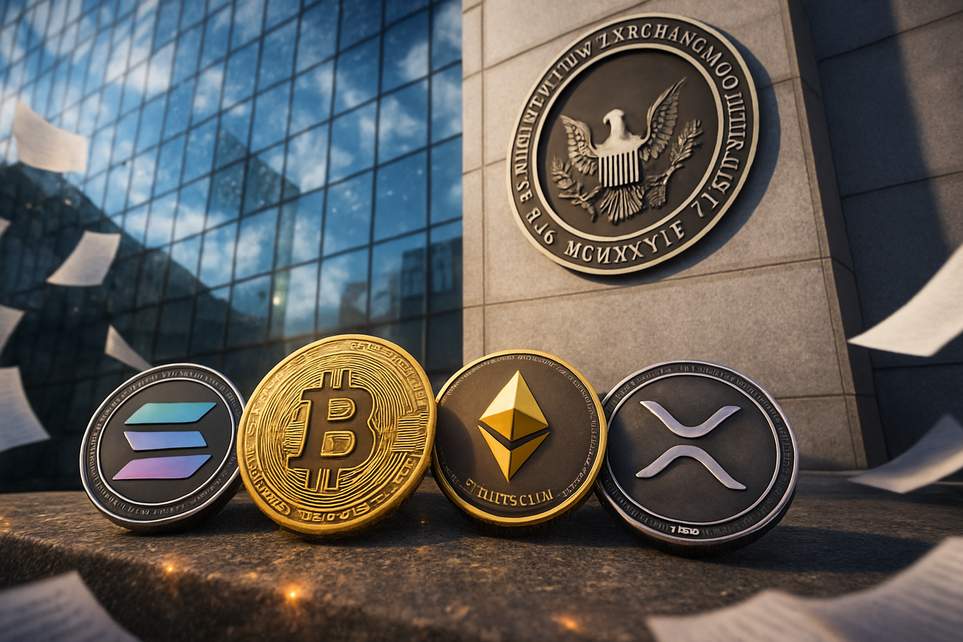
Bitwise Filed 11 Altcoin ETFs — Markets Yawn
Bitwise dropped 11 altcoin ETF bombshell. The market shrugged.
At the end of the year Bitwise quietly filed paper for a baker’s dozen minus two: 11 single-coin ETFs tied to a grab-bag of protocols. The plan reportedly leans on roughly 60% exposure to the actual tokens and the rest to related ETPs and derivatives, with an eye on becoming effective next March.
Sounds spicy, right? You’d expect price fireworks or at least a few frantic tweets. Instead the reaction was more of a collectively raised eyebrow. Crypto prices and fund flows barely twitched. The filing made headlines, not headlines that moved money.
Why filings feel like background noise now
Part of the reason is simple: the ecosystem has matured. Regulators and exchanges have opened faster lanes for commodity-style crypto products, so an S-1 or a filing is no longer the binary signal it used to be. Where once a single document could flip the odds from “maybe” to “definitely,” now filings are often seen as procedural steps on a longer path.
Flows are also being monopolized by the obvious winners — cheap, liquid, easy-to-distribute ETFs — which hoover up the vast majority of investor attention and capital. Bitcoin and Ethereum funds pulled in massive sums recently, and a few other big-name offerings captured most of the new money. Everything else is competing for the crumbs.
Another practical truth: it’s not the filing date that matters so much as where the product ends up and how it’s priced and distributed. A fund that actually lists on a major exchange with broad platform support, low fees, and a simple ticker will get traction. A fancy S-1 without shelf space or distributor support will mostly get clicks.
What actually moves the needle
If you’re trying to predict whether these altcoin ETFs will matter, focus less on the paperwork and more on three boring but crucial things: fees, liquidity, and distribution. Low fees attract passive flows. A spotty or thinly traded underlying token scares allocators away. And if giants like big brokerages and wealth platforms don’t put a fund on their shelves, most investors won’t even see it.
Case in point: when a Solana spot fund actually went live on an exchange, the listing — not the filing — was when real assets poured in. That’s the new normal: interest follows availability and convenience, not press releases.
So yes, Bitwise’s 11-fund shelf is a statement — a wink that regulators are comfortable enough to allow single-name products — but it doesn’t upend the structural limits that already exist. Asset managers still guard risk budgets, retail platforms are only gradually expanding support, and most flows chase the cheapest, most liquid bets.
In short: “ETF filing fatigue” isn’t apathy so much as maturation. The market has learned to sniff out what really matters. Filings will keep generating headlines, but until a fund has the right fees, liquidity and distribution, don’t expect an instant avalanche of cash.
Final thought: filings are great for PR, but if you want to see fireworks, watch the ticker when a product actually lands on a major platform — that’s where the party starts (or quietly fizzles).
