
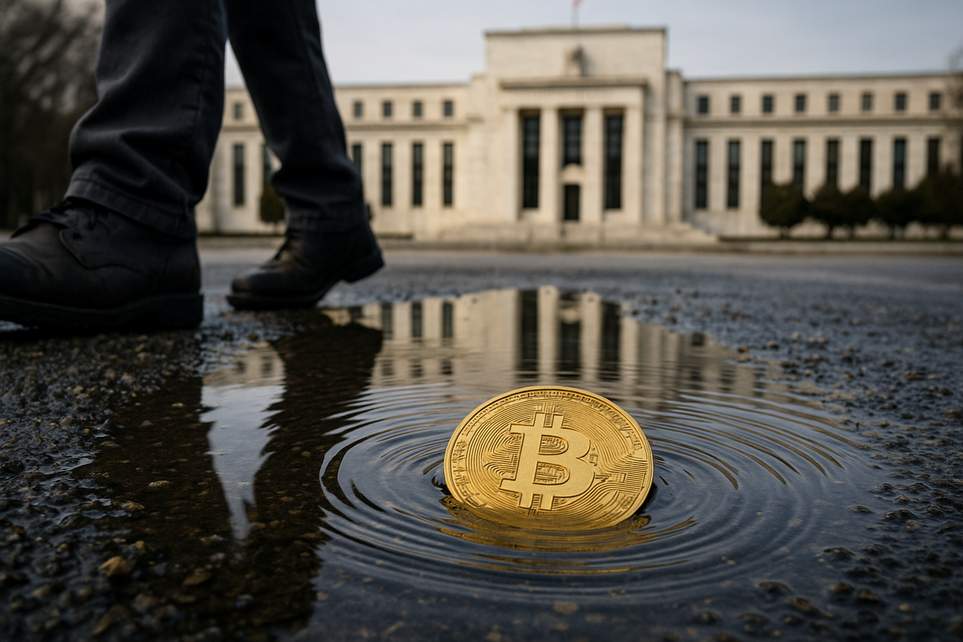
Bitcoin in the Fed Drama: Will Credibility Take a Hit?
What’s actually happening (and why you should care)
Markets woke up to something more entertaining than your usual central-bank yawn: a public tussle between the White House and the Fed chair. The spat spilled into headlines when prosecutors served subpoenas and hinted at potential charges tied to the Fed’s internal affairs. Whether this ends up in a courtroom or fades as political theater, it already changed how traders price risk.
Investors don’t just trade data—they trade trust. When people start wondering if the central bank can set rates based on economic facts rather than pressure from politicians, safe-haven assets and currencies start to re-sort themselves. Gold jumped, some currencies wobbled, stock futures dipped, and Bitcoin—being Bitcoin—got tugged in both directions. In short: institutions began asking whether the Fed still calls the shots or if the script has a new director.
How Bitcoin fits into the chaos (two playlists)
Bitcoin is wearing two hats at once, which makes it awkward at dinner parties. On one hand it behaves like a risk-on asset: when liquidity flows freely, it tends to go up. On the other hand it sometimes acts like an unorthodox safe haven—a sort of rebellious digital gold—when faith in institutions falters. That dual personality means the same news can lift or knock it down, depending on which instinct dominates traders on any given day.
There are two obvious paths from here. Scenario A: the feud pushes markets toward looser policy expectations, liquidity flows into risk assets, and Bitcoin rallies with the rest of the party. Scenario B: the argument undermines long-term policy credibility, volatility spikes, and investors de-risk—selling first, asking questions later. Short-term price moves can therefore be the opposite of what the story sounds like in hindsight: BTC might jump alongside gold on a single headline but still slump if institutional selling or forced ETF outflows follow.
The dates, the plumbing, and a practical playbook
This storyline comes with a calendar. The next Fed meeting on Jan. 27–28 is the near-term checkpoint: even if rates don’t change, tone, guidance, and how questions are handled matter a lot. The more distant but equally important date is May 2026 — when the Fed chair’s term expires — because markets can start pricing in succession risk well before any formal decision.
Another wild card: spot Bitcoin ETFs. These funds turn macro mood swings into actual buying or selling. Big inflows can amplify a breakout; big outflows can turn a wobble into a rout. That means the plumbing of the market—positions, rebalancing and hedge flows—may matter more than the narrative alone. A one-day headline can spark a rally, but ETF mechanics can either cement it or yank the rug out from under it.
So what should you watch? Track the Fed’s messaging around the late-January meeting, any concrete signs that institutional constraints are weakening, and fund flows into or out of major ETFs. If this becomes mere theater, Bitcoin will mostly respond to liquidity and rate expectations. If it looks structural, expect more regime-like swings where BTC sometimes behaves like an “alt-gold” and other times like a high-volatility risk asset.
Bottom line: Bitcoin is no longer just riding macro waves—it’s reacting to whether the Fed seems capable of making independent policy. That raises both opportunity and the kind of volatility that makes trading feel like a roller coaster with surprise turns. Buckle up, bring snacks, and don’t trade with money you can’t afford to lose—this season has a calendar and the plot could thicken fast.
