
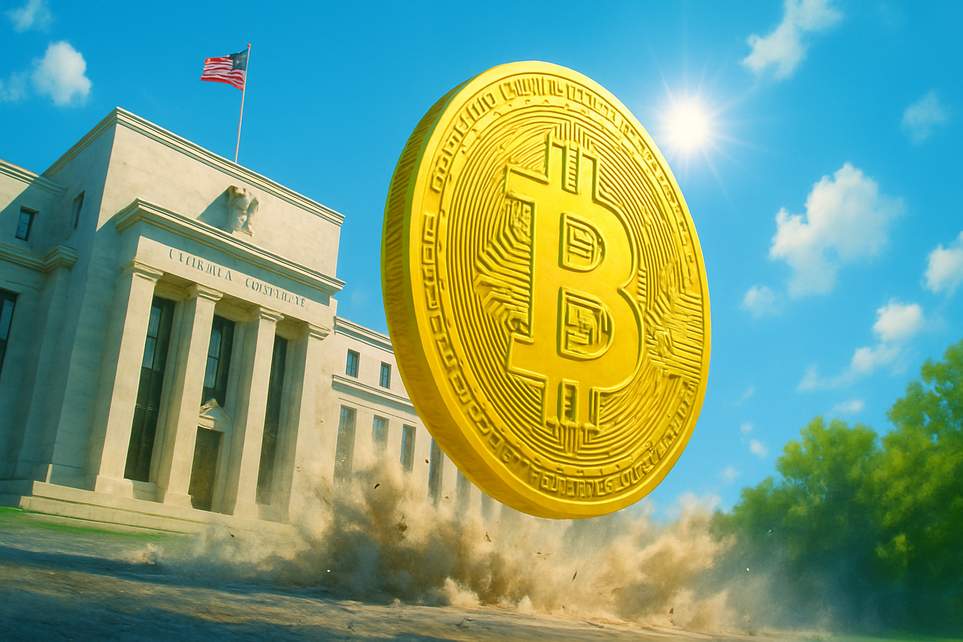
$13.5 Billion Repo Spike — A Tiny Dollar Sneeze Bitcoin Always Notices
The tiny plumbing alarm: $13.5B in overnight repos
On paper it looked like a sleepy number: $13.5 billion in overnight repurchase agreements. But for people who watch the Fed’s plumbing, that little blip is like the financial system clearing its throat loudly enough to be heard across trading desks.
Here’s the plain-language version: a repo is a one-night swap where someone hands over a Treasury as collateral and borrows cash, then reverses the deal the next day. Think of it as the banking world’s overnight Airbnb for dollars — low-risk, short-term, and boringly efficient. When overnight repo usage jumps, it means more institutions wanted ready cash than usual.
Why? Two big reasons. One: caution — banks and dealers get nervous and prefer the Fed as a counterparty. Two: mechanical reasons — settlement timings, auctions, month-end fiddling, or any mundane calendar chaos that temporarily requires extra dollars. The number by itself doesn’t tell you which of those two it is; context does.
Why Bitcoin suddenly cares about cash flowing under the floorboards
Bitcoin doesn’t live in a vacuum. Over the past few years, it has picked up a whole new crowd of institutional roommates — ETFs, market makers, funds, and algorithmic desks — and these players operate in the same funding universe that governs stocks and bonds.
When borrowing dollars is easy and funding markets are relaxed, risk appetite wakes up. Traders pile into high-volatility stuff (hello, crypto), spreads tighten, and liquidity looks generous. In that mood, Bitcoin behaves like a high-beta pet: it zooms higher on momentum and optimism.
Flip the script and funding tightens — repo spikes, short-term rates climb, and balance-sheet managers get stingy — and suddenly volatility is a liability. People start selling the twitchy stuff first, not because Bitcoin’s tech broke overnight, but because risk management demands it. So a tiny repo hiccup can indirectly nudge BTC just by changing how comfy big players feel holding risky assets.
What to watch next (because tiny signals sometimes matter a lot)
A single $13.5 billion overnight operation isn’t a market apocalypse. It’s more like a little hint: someone needed cash, the Fed obliged, and the system breathed a sigh of relief. If it’s a one-off for calendar reasons, markets shrug and life goes on.
Where it gets interesting is if these injections repeat, or if short-term rates (like SOFR) stay elevated and the Fed’s standing repo facility stays busy. That combination points to a stickier funding squeeze rather than a mechanical hiccup, and that’s when risk assets — Bitcoin included — tend to react more dramatically.
In short: watch the pattern, not the single number. Repos, short-term rates, ETF flows, and yield moves all tell a story about how easy it is to take on risk on the margin. Bitcoin rides those tides; it doesn’t cause them.
So next time the Fed’s plumbing gurgles, don’t panic — be curious. A small crack in the dollar’s calm isn’t always doom, but it does explain why Bitcoin sometimes behaves like a drama queen on perfectly ordinary days.
