
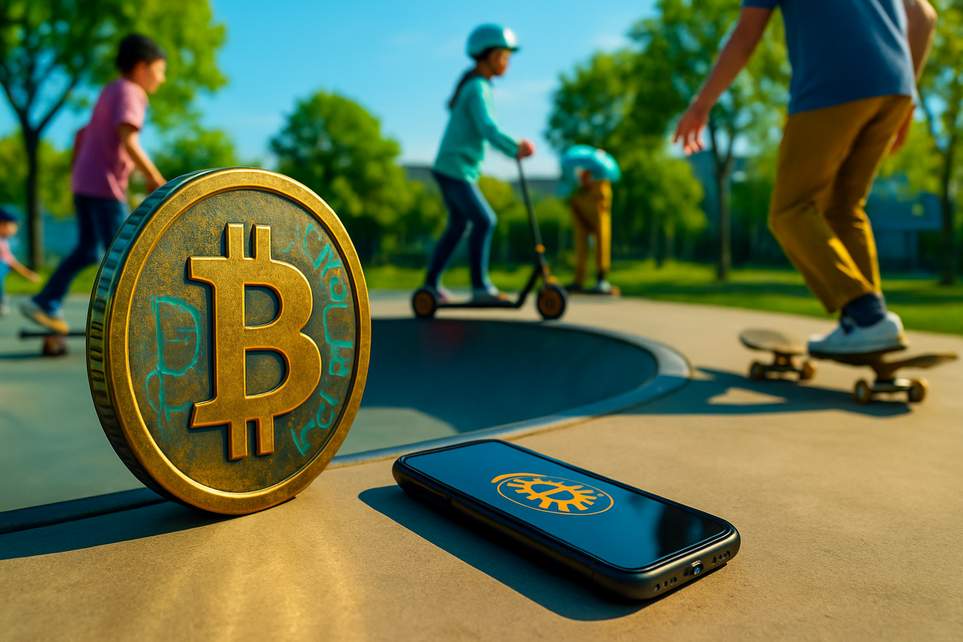
Bitcoin’s midlife crisis: Can the OG crypto win over Gen-Z before it’s too late?
Bitcoin’s midlife wobble: the story so far
Bitcoin burst onto the scene as the caffeinated rebel of money — a DIY, anti-establishment payment protocol dreamed up during a decade of financial drama. Fast-forward a few years and it went from underground weirdness to an asset that banks, funds, and headlines take seriously. That trip from scrappy outsider to respectable elder statesman has earned it safety, credibility, and a dash of boring.
Which, for a project that once wore anarchy as a fashion statement, is both a success and a problem. Sure, the network keeps producing blocks and the markets still get excited on green days. But the vibes have shifted: Bitcoin now smells more like boardroom leather than late-night hacker energy, and that shift is a huge part of the issue with younger people.
Gen-Z vs. Bitcoin: why the young mostly shrug
Young adults today grew up swiping, shouting into social feeds, and trading meme-powered hype. Their financial instincts are shaped by fast culture — instant, social, gamified. Bitcoin’s whole selling point as “digital gold” and a decades-long store of value sounds, frankly, ancient to a generation that equates money with points and momentum.
There are also real-world reasons for the cold shoulder. Many in Gen-Z face stagnant wages, high living costs, and distrust of long-term promises. When your rent is due tomorrow, the idea of hodling for a decade doesn’t have the same emotional weight. Add to that the image problem: Bitcoin gets lumped in with finance bros, whales, and boring institutional portfolios rather than the creative, participatory projects young people prefer.
Politics doesn’t help. Bitcoin’s public image has been picked over by partisans, turning it into a cultural symbol more than a practical tool. That makes it easy for younger folks to file it under “not for me” — especially if they associate it with people or movements they don’t vibe with.
Rebooting Bitcoin: culture, utility, and a little swagger
There’s good news: Gen-Z’s skepticism can be converted into curiosity if Bitcoin tells better stories. The fix isn’t flashy marketing but showing real, everyday usefulness. Remittances, privacy-minded payments, self-custody, and charitable transfers are the kinds of tangible benefits that resonate when framed as immediate wins, not far-off financial doctrines.
Culture matters too. Young people flock to communities where they can participate and be seen. Bitcoin can’t beat memecoins at the meme game overnight, but it can lean into developer communities, creator-friendly use cases, and educational experiences that feel interactive rather than preachy. Think hands-on tools, not op-eds.
Education, presented like something you’d actually want to consume on your phone, is critical. Short, entertaining guides that teach self-custody, how to use Bitcoin for small real-world tasks, or how it helps people abroad can cut through apathy. Combine that with practical onboarding — simpler wallets, clearer UX, and experiences that reward engagement — and you’ve got a fighting chance.
Finally, stop acting like the only value is “long-term store of value.” That story works for investors but not for people who want to build, create, and trade culture today. If Bitcoin can be framed as both a reliable foundation and a toolbox for new digital behaviors, it stands a chance to be interesting again.
Bitcoin has survived crises, critics, and a parade of death-knell headlines. Its real test now isn’t technical durability — it’s whether it can stay culturally alive. If the community can make utility relatable, culture inclusive, and learning fun, Bitcoin might dodge the midlife snooze and become something young people actually want to use, not just hold.
