
Bitcoin miners are trimming reserves — is the bottom nearer than you think?
Miners, on-chain signs, and why the ETF story is only part of it
Everyone loves the ETF plotline: dollars flow in, price shoots up; dollars flow out, price takes a nap. Cute story, but it’s missing the plumbing. Bitcoin isn’t just a ticker — it’s a network with miners, long-term holders, and a ton of wallets quietly doing their thing. Those players move more like farm equipment than traders: slow, relentless, and occasionally dramatic.
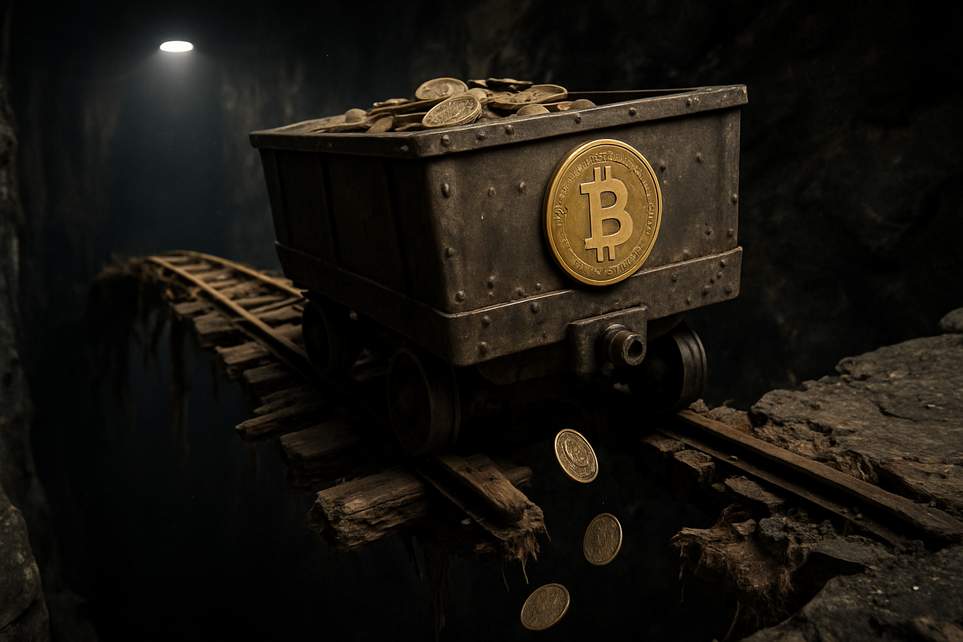
Here’s the short version: miners are carrying less BTC than they used to. Current estimates put miner-held coin around 1.8 million BTC, and over the past couple months they’ve pared that down by roughly 6,300 BTC — roughly a hundred coins a day on average. In dollar terms that stash has also shrunk meaningfully, partly because price moved and partly because coins left miner treasuries. That combination matters: thinner reserves mean a smaller margin for miners when things go sideways.
Meanwhile, ETF flows have been moving the surface-level tidal waves — a recent stretch showed net outflows on the order of roughly $1.7 billion across about ten trading days. Those headline numbers are big and fast enough to sway sentiment, but they don’t tell you what’s brewing under the hood.
So we watch a few on-chain gauges. NUPL (net unrealized profit and loss) is still in positive territory — think of it like the market’s mood ring — currently around the low 0.2s. That’s a pullback from higher readings, but it hasn’t slid under zero, which historically is where broader panic and “real capitulation” show up. Then there’s the share of UTXOs in profit, which is quietly fascinating: prior cycle troughs got less brutal over time (single digits in 2011, low double digits in 2015, near half or more in 2018), and recent cycles have had even higher floors. The recent troughs and current readings suggest more coins are sitting close to their owners’ buy prices than they used to, which changes how deep and how fast pain must go before buyers reappear.
Finally, mining-side technical signs — difficulty adjustments and drops in hashrate — have shown strain too. When those move, it’s often because operators are idling rigs, facing logistics issues, or being squeezed by margins. Put all of this together and the picture is layered: surface-level ETF moves, and a slower, grittier miner-and-holder story underneath.
How this all could play out (three messy possibilities)
Scenario one: the slow grind. ETFs keep churning, price bounces around, miners trim reserves but don’t panic. NUPL stabilizes in the positive zone and the market slowly wears people down. No spicy capitulation, no fireworks — just a frustrating range where patience wins if you’ve got it.
Scenario two: classic capitulation. ETF outflows persist, price slips, NUPL crosses under zero (and maybe heads toward historical capitulation territory), and miners start selling because they have to, not because they want to. That’s the kind of chaos that makes everyone swear off crypto in a darkly comedic montage — and historically that’s also when the cleanest bottoms have formed.
Scenario three: the early bottom. UTXO profit levels have already visited ranges that in prior cycles signaled major lows. If institutions flip from outflows to inflows while NUPL stays positive and miners stop draining treasuries, you get a rapid reset: pain gets front-loaded, buyers step in, and the market bounces quicker than the four-year bedtime story would’ve predicted.
Which of these is most likely? I don’t have a crystal ball, just a few stubborn indicators. Miners are leaner, NUPL is compressing but positive, and UTXO profit stats imply the market has more conviction depth than in the very early days. That combination makes the argument that a bottom might be closer than it looks — but it doesn’t hand you confirmation on a silver platter.
So what should you watch? Follow miner reserves and their USD value, keep an eye on NUPL crossing zero, watch UTXOs-in-profit behavior, and don’t ignore ETF flow velocity. The next meaningful signal will come from how those forces interact: do miners keep bleeding, or does selling pause? Do flows flip, or do they keep sucking sentiment down? That interplay will tell you more than any headline.
In short: the chain is whispering that exhaustion might be nearer than the headlines suggest, but it hasn’t screamed capitulation yet. That uncertainty is where the real story — and the real opportunity for chaos, drama, or a quiet comeback — lives.