
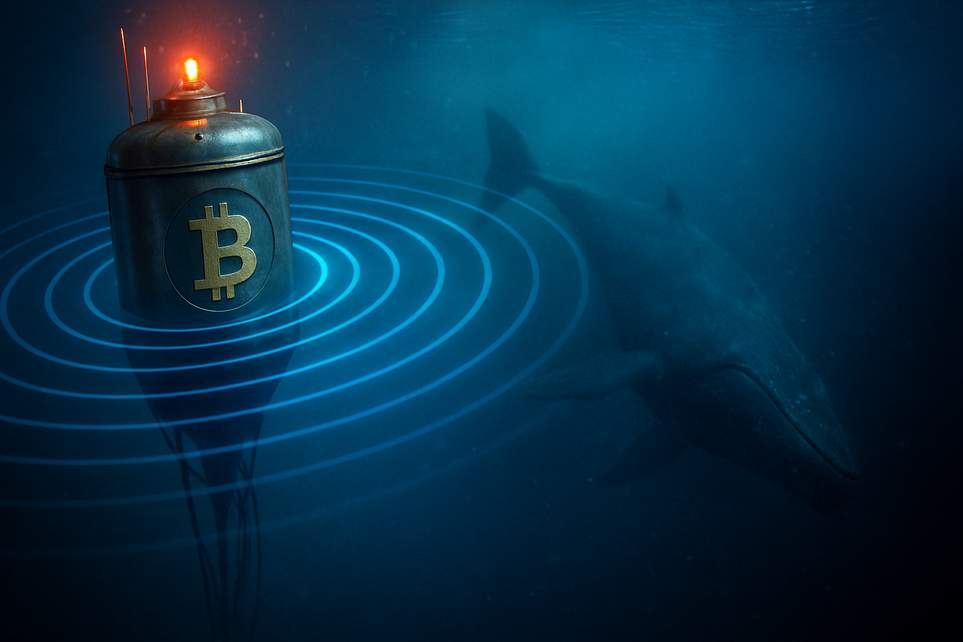
One Bitcoin Whale Is Buying the Entire Daily Mine — But Is That Enough?
Who’s buying, how much, and why it matters
There’s a rumor — shouted from the social media rooftops by a well-known industry voice — that a single large buyer on Bitfinex has been scooping up roughly 450 BTC a day around the $90K price zone. That’s wild because, fun fact, around 450 BTC is also about how much the miners produce each day. At $90,000 a coin, you’re looking at nearly $40 million of demand every 24 hours. That’s not pocket change; that’s a small country’s GDP in crypto units.
On the surface, a buyer that size can soak up newly minted supply and help prevent immediate dumps. Add to that a broader pattern of accumulation from mid-sized wallets — the kind holding between 10 and 10,000 BTC — and the picture gets stickier: those wallets reportedly added tens of thousands of BTC over recent days, nudging their collective holdings higher by a fraction of a percent.
But accumulation charts are mood lighting, not X-rays. They tell you who’s stacking, not the exact prices where they’ll panic-sell or start taking profits. So while heavy buying can steady markets and slow a free-fall, it doesn’t automatically make a sprint to new highs inevitable. Think of a whale as a cozy blanket during a storm — it helps, but it won’t stop the thunder.
Where price sits — scenarios and what the whale can realistically do
On-chain analysts peg a kind of comfort zone under the market: roughly $81K-ish acts as a gravity point where many long-term cost bases sit, while about $98K marks where a bunch of short-term buyers would break even and could get shifty. Above $100K there’s a chunky supply wall that has been slowly maturing into long-term holdings; rallies into that neighborhood tend to be met with selling as people trim positions and lock gains.
That friction is part of why rallies up to the high-$80Ks and mid-$90Ks often feel heavy. Recent realized-loss activity has been concentrated in investors who bought a few months ago and are now rethinking their life choices as price revisits their entry zones. Meanwhile, those still booking tiny wins are often taking small, safe profits instead of holding for the moon.
Market microstructure adds another twist. Dealer hedging and options positioning make the $90K mark awkward: below it, hedging flows can turbo-charge downside moves; above it, dealer positioning tends to mop up follow-through, turning the level into a sticky ceiling rather than a blastoff button. Low futures and options participation lately also means price moves can happen on thinner-than-usual volume, which makes everything more jumpy.
So what could unfold? In a baseline scenario, Bitcoin keeps bobbing between the roughly $81K support and the $98K–$100K resistance area. The whale’s steady bids would help keep dips orderly — like a very patient babysitter — but won’t necessarily create a new uptrend unless other buyers join the party.
In a bull scenario, buying broadens beyond single-player absorption: demand accelerates, $98K is reclaimed and held, and the market grinds through the supply above $100K. That needs sustained accumulation and a return of meaningful derivatives volume to confirm the move.
In a bear scenario, the price slips below $90K and can’t find its feet quickly, dealers end up short-gamma, hedging activity exacerbates selling, and things get messy unless that big buyer really digs in for the long haul. If the whale fades, the market risks sliding toward deeper cost-basis support.
Bottom line: a whale buying the equivalent of one day’s mining output is headline-grabbing and helpful for smoothing volatility, but it’s more of a stabilizer than a guaranteed trend engine. If you want a breakout, you need more than one enormous shopper — you need the rest of the mall to show up, too. Until then, treat the whale like an overachieving lifeguard: impressive, potentially lifesaving, but not single-handedly rescuing the whole beach.
