
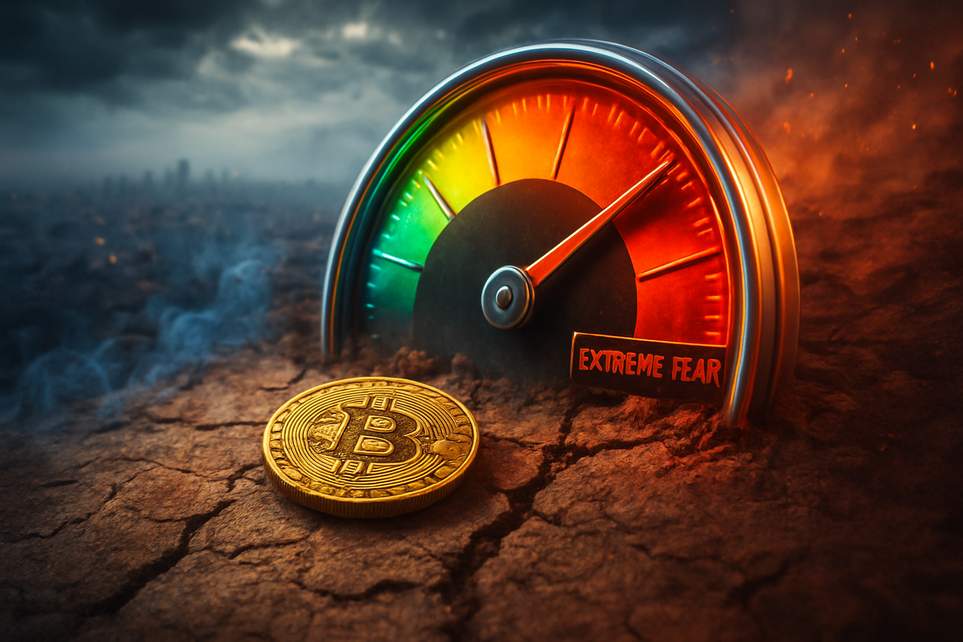
Why Crypto Is Trapped in Extreme Fear — And What Could Break the Spell
Why sentiment went nuclear
Crypto markets spent the last stretch of the year sulking. Even though a lot of the big-picture wins everyone had been shouting about finally showed up — ETFs, policy moves, the usual halving drama — prices didn’t cheer. Instead, optimism kept turning into sell-the-news dumps and the mood hardened into outright fear.
There are a few overlapping reasons for this mess. First, performance simply didn’t match the hype. Institutional flows, political shifts, and headline-grabbing launches arrived on schedule, but rallies faded and rallies underperformed compared with gold, silver and major stocks. When your thesis happens and the price yawns, folks don’t mildly shrug — they panic.
Second, liquidity thinned. On-chain activity and trading volumes slid, which means it didn’t take much selling to shove prices lower. Thin bids plus stop-loss cascades make for an ugly downward amplifier: small exits become big gaps, and gaps feed more selling.
Third, leverage blew up. After a heat-up to record open interest and overheated funding rates, a failed breakout turned into forced liquidations. That mechanical flush didn’t just drop prices — it wrecked confidence. Seeing wallets that had been dormant for years suddenly sell only adds fuel to the “smart money sold the top” paranoia, even if the reality is messier.
Fourth, macro and regulatory signals behaved like a soap opera. Sometimes crypto rallied on dollar weakness, other times it sold harder than equities when risk turned off. Regulatory wins were real but messy: rule-making timelines, compliance headaches, and ongoing litigation mean “clarity” was often partial or delayed. That ambiguity left investors uncertain rather than celebratory.
Finally, narrative fatigue set in. Every major milestone lately turned into an opportunity to unload — which trains everyone to treat good news as a reason to sell. When the market repeatedly makes milestones into traps, people stop believing in the next catalyst. That collective skepticism is what keeps the fear gauge pinned so low.
So… what now?
Extreme fear can be a contrarian signal, sure — historically some good entry points show up in ugly sentiment stretches — but it’s not a magic bullet. For sentiment to flip, one or more of the core problems needs to actually change: deeper liquidity, cleaned-up leverage, clearer macro direction, or a fresh narrative that actually pulls in buyers instead of triggering sellers.
That could come from a strong catalyst (a sustained wave of real institutional buying, clear regulatory rules that remove uncertainty, a reliable macro easing story) or from mechanical repairs (volumes creep back, active addresses rise, and retail stops fleeing). If none of that happens, the other scenario is a slow, grinding capitulation: a drawn-out churn that leaves the narrative bruised and prices stuck lower for a while.
In short: the industry won a lot of policy and product battles, but the market wanted payoff — and didn’t get it. Until the market sees convincing evidence that those structural wins translate into deeper participation and demand, expect the fear to linger. Maybe that’s the bargain-basement buying opportunity some traders adore, or maybe it’s the prelude to a slow cleanup. Either way, keep your helmet on and this is not financial advice.