
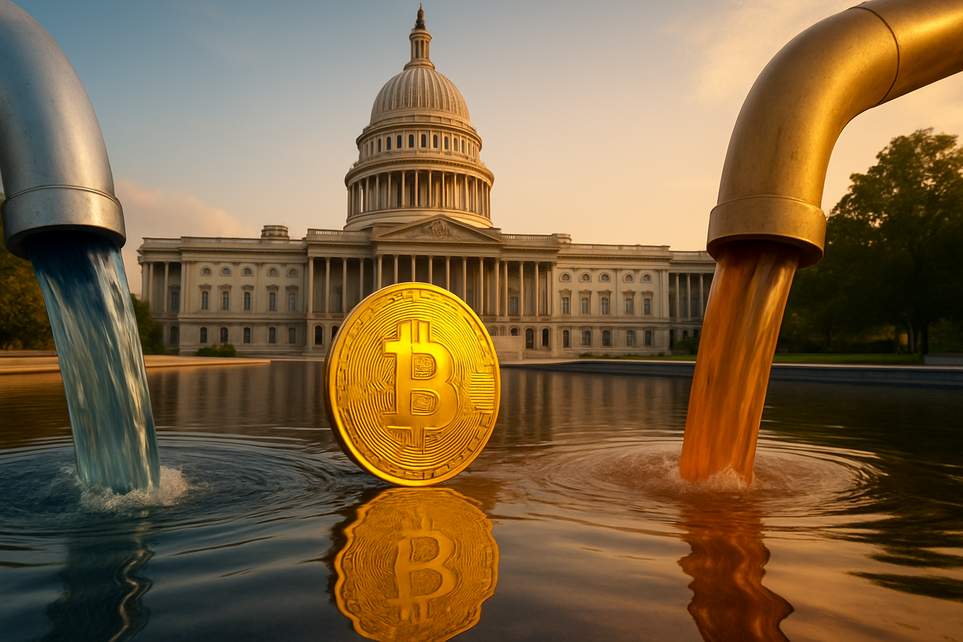
DC Just Turned the Money Hose Back On — What That Means for Your Bitcoin Bag
Why the government reopening actually matters (yes, really)
Washington just passed a short-term funding fix that keeps the lights on through late January 2026. Translation: furloughed agencies get back to work, economic reports start flowing again, and Treasury auctions go off on their normal schedule. All the boring plumbing that traders pretend not to notice is suddenly back online.
That matters for crypto because macro data – things like CPI, PPI, and payroll-type releases – are the traffic lights that steer rate expectations and the dollar. With those prints coming back on time (CPI is scheduled for Nov. 13, PPI on Nov. 14, and import/export price data on Nov. 18), markets will stop guessing and start reacting to actual numbers instead of shutdown rumors.
How this could shake out for Bitcoin over the next 1–2 weeks
Here’s the short version: Bitcoin’s mood swings are tied to real yields, liquidity, and ETF flows. The 10‑year TIPS-implied real yield is sitting around 1.8% and the nominal 10‑year yield is roughly 4.1% right now. Treasury operations are in a steady mode — the quarterly refunding is keeping coupon sizes steady and auctions are happening on Mondays, Wednesdays and Thursdays. The Treasury General Account is elevated (roughly in the low‑hundreds of billions below a trillion as of early November), which gives the system a cushion as auctions normalize.
That setup means bills are the adjustable knob for cash management and buybacks remain a tool to smooth markets. If inflation prints are tame and Treasury issuance doesn’t surprise, real yields could drift lower, the dollar could soften, and U.S. spot Bitcoin ETFs might see modest inflows as allocators re‑engage. Deeper order books (market liquidity has noticeably improved versus the 2022–23 era) would let those flows move prices with less slippage — good news for anyone trying to trade larger sizes.
On the flip side, a hotter than expected CPI or aggressive bill usage to rebuild cash would push real yields higher, potentially kick ETF flows into net outflows, and make markets defensive. There’s also a middle, messy outcome: if legislation stumbles or the data prints look weird because of the restart, flows could get choppy and desks will trade around the noise while watching issuance and buyback calendars for clues.
So, for the next couple of weeks watch three things like a hawk with espresso: the CPI number, the Treasury’s cash moves (TGA and bill activity), and spot ETF flows. Those three together are the likeliest combo to determine whether Bitcoin takes a breath and rallies or grinds defensively with rates.
Not glamorous, but very effective: when the data is visible, allocators come back. When the data surprises, the tape gets spicy. Keep your seatbelt on and your limit orders handy.
