
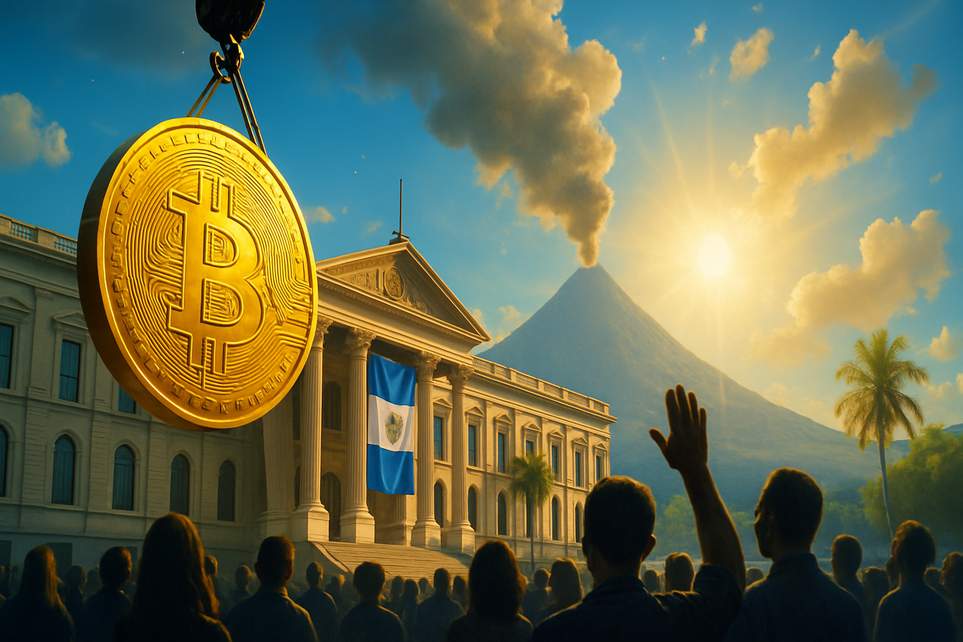
El Salvador Snaps Up $100M of Bitcoin During Price Dip
Big buy, shaky market: what went down
El Salvador pulled off its biggest one-day Bitcoin purchase since adopting the coin in 2021, adding roughly 1,090 BTC — about $100 million — on Nov. 18 as prices slid below $90,000. The government’s public holdings now sit at roughly 7,474 BTC, valued at roughly $680–$700 million at current levels.
The purchase came during a broader market wobble that erased much of Bitcoin’s 2025 gains. Prices tumbled from an October peak above $126,000 to nearly 30% lower, a decline blamed on fading hopes for Federal Reserve rate cuts and a pullback in AI-related stocks. For a country that has pledged to buy 1 BTC a day since starting a dollar-cost-averaging program in November 2022, this was one of those larger top-ups they make when the market trips on its shoelaces.
These new coins were swept into the Strategic Bitcoin Reserve — a custody setup rolled out in August 2025 that spreads holdings across multiple wallets (each capped at 500 BTC) and reports balances on a public dashboard. Before this trade, disclosed reserves were in the neighborhood of 6,100–6,313 BTC; trackers now show the updated total of 7,474 BTC. While 1,090 BTC is a small slice of daily global turnover, it can move the needle when order books are thin and most institutional players are heading for the exits.
Why the purchase matters: politics, policy, and market muscle
Beyond the price tag, the order has political and policy punch. El Salvador still operates one of the few national Bitcoin treasuries and has repeatedly shown a willingness to buy into pullbacks, even while under a multiyear lending program that advised restraint. In late 2024 and early 2025 the country secured a 40-month, $1.4 billion extended fund facility that included conditions to scale back parts of its 2021 Bitcoin law — for example, limiting Bitcoin use in tax payments and making private-sector acceptance voluntary.
Officials agreed in March not to increase overall public-sector exposure to Bitcoin, but the government has maintained daily accumulation and has occasionally made more conspicuous buys, including a ceremonial 21 BTC purchase in September to mark a national “Bitcoin Day.” Critics and some international lenders have flagged these additions as inconsistent with the spirit of the borrowing agreement, while government spokespeople say Strategic Reserve purchases are allowed under the terms — a point that hasn’t been fully clarified to outside observers.
From a market perspective, the timing matters. The buy arrived as Bitcoin dipped below $90,000 for the first time in about seven months, a level that triggered liquidations of leveraged positions. By stepping in during that thin, risk-off moment, El Salvador provided visible demand when many institutional pockets of capital were withdrawing. Whether that’s clever opportunism or provocative rule-stretching depends on who you ask — but it certainly makes for entertaining headlines.
Bottom line: El Salvador stuck to its accumulation script, spending roughly $100 million to buy the dip and reminding markets and multilateral partners that it’s still all-in on Bitcoin, come cheers or eye-rolls.
