
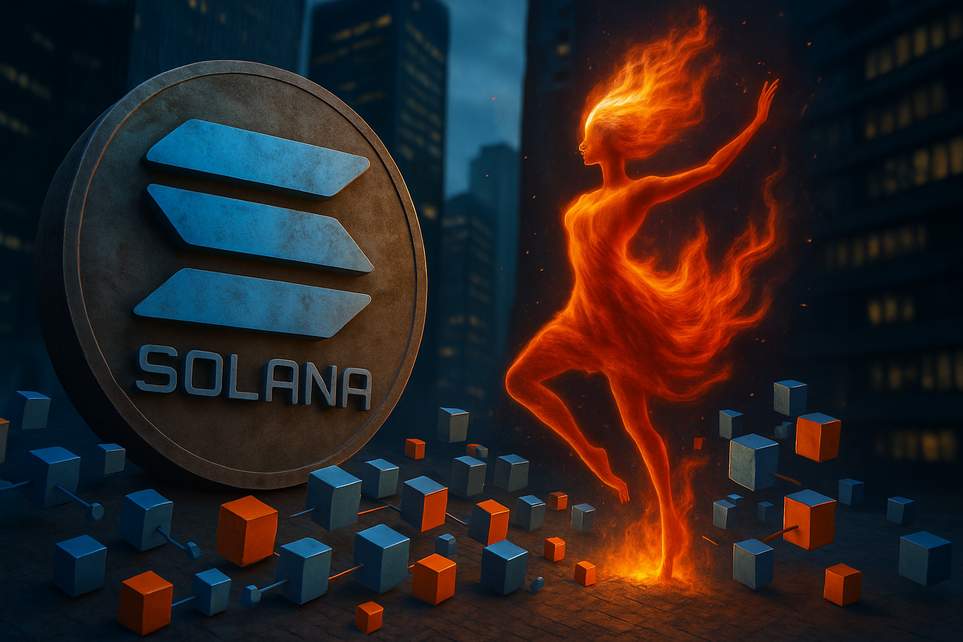
Firedancer Is Live — Can Solana Escape the Single-Client Trap?
Why client diversity matters (and why Solana’s been flirting with disaster)
Solana just added a very different validator client to the party, and that’s actually a big deal. For years the chain bragged about blink-fast finality and absurd throughput, but those bragging rights meant squat whenever one buggy client could freeze the whole show. When most validators run the same software, a single implementation bug becomes a network nightmare.
Historically, Solana has stumbled through repeated outages caused by client-side bugs — memory leaks, race conditions, and weird transaction handling have all put the chain on pause. Put simply: speed is useless if a single client controls most of the consensus and then face-plants. The safer model, borrowed from other networks, is to avoid a monoculture — keep clients varied so one crash doesn’t take down everyone.
Before the new client landed, one implementation dominated staking on the network, holding somewhere in the high double-digits of consensus power. That concentration meant that a critical bug could stop block production unless a coordinated restart happened — and coordinated restarts are messy, stressful, and bad for people trying to build real products on the chain.
Firedancer’s arrival: performance, independence, and the slow road to resilience
Enter Firedancer: a ground-up rewrite in C/C++ built by a different engineering team with architecture inspired by high-frequency trading systems. It’s not a patch, fork, or remix — it’s a completely separate client with no shared code or maintenance team. That independence is the point. If one client trips over a memory allocator or a scheduler bug, the other should keep marching.
In testing, a handful of Firedancer validators ran for about 100 days and produced roughly 50,000 blocks — the first real proof that the client can participate in consensus and keep state without relying on the old client’s components. There’s also a hybrid rollout path that some operators tried first: swapping in Firedancer’s networking while keeping the existing consensus code. That hybrid helped people try the new parts without gambling the whole chain on unproven consensus logic.
Benchmarks and demos have shown very high transaction-per-second numbers for Firedancer in controlled environments. Those headline figures are headline-grabbing, yes, but the strategic win is failure-domain separation: two clients in different languages with different internals can fail independently. That makes the network tolerable to client-specific bugs so long as no single client owns a supermajority of stake.
Still, adoption won’t happen overnight. Running a new client means different hardware profiles, fresh operational playbooks, and nerves of steel for risk-averse validators. The current distribution shows progress — the hybrid approach and partial deployments nudged diversity upward — but the move from an entrenched majority to a balanced, multi-client ecosystem will take time.
Why should anyone care beyond nerdy technical pride? Because institutions and big users obsess over uptime and failure modes. Risk teams prefer systems where losing one client doesn’t force a manual chain restart. If you’re pitching a regulated product or an enterprise payment system, that is not an academic quibble — it’s a gating item.
With Firedancer live, Solana now has a real path toward the kind of client diversity that reduces single-point-of-failure risk. Whether the network actually achieves that sweet spot depends on how many validators adopt the independent client stacks rather than keeping all their eggs in one implementation.
In short: Firedancer doesn’t magically make Solana invincible, but it changes the equation. The network went from monoculture-ish to having a genuine alternative — and resilience improves as that alternative spreads. The next few quarters will tell whether validators take the leap or stick with what they know.
Final thought: if you like fast chains that don’t pause for drama, keep an eye on how stake migration unfolds. Diversity is boring until it isn’t — then it’s the thing that keeps everything running while everyone else is rebooting.