
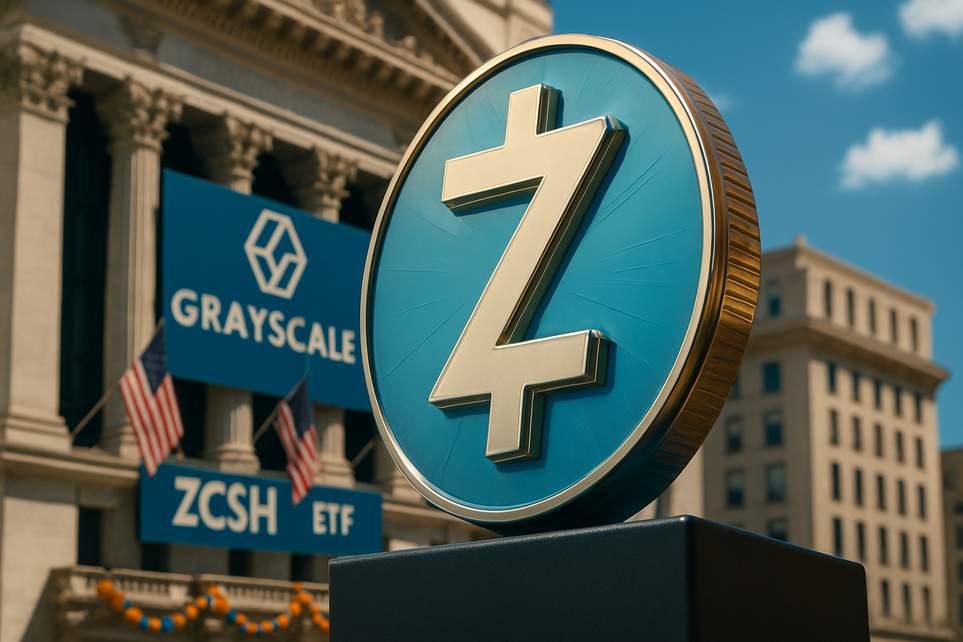
Grayscale’s Zcash ETF: Regulated privacy, or privacy in name only?
The paradox: privacy tech meets paperwork
So here’s the situation: a privacy-focused cryptocurrency is trying to squeeze into the tidy, fluorescent-lit world of exchange-traded funds. The upshot? You get a product that smells like privacy but probably won’t let you use any of the secret sauce. The ETF setup is designed for paperwork, audited trails, and compliance checkboxes — the exact opposite environment that made Zcash interesting to certain users in the first place.
The proposed fund is built around cash creations up front: authorized participants hand over dollars, the fund buys ZEC on exchanges, and a custody provider stores it. That’s simple, boring, and extremely compatible with bank-grade processes. It also neatly avoids moving shielded coins through regulated plumbing, because the shielded stuff is the awkward cousin nobody at the desk wants to babysit.
Technically, Zcash offers a choice: you can use transparent addresses or opt into shielded ones via zk-SNARKs. But an ETF doesn’t get to be choosy. Custodians, auditors, and regulators demand traceability. So even though the coin itself can be private, the ETF’s lifecycle nudges — actually, shoves — it toward transparency for the sake of compliance.
Who this ETF actually serves (hint: not the privacy purists)
If you were picturing crypto privacy evangelists cheering from the sidelines, pause that picture. A Zcash ETF isn’t designed for people who want secret payments or stealthy identity separation. It’s designed for investors who want clean, tradable exposure to a privacy-themed asset without dealing with keys, view keys, or the little eternal terror of on-chain balances.
Think hedge funds hunting asymmetric upside, retail traders wanting a convenient ticker tied to a narrative, and institutions that need KYC, OFAC screening, and audit trails. For those players, the word “privacy” on the label is a marketing feature rather than a technical promise. They want the thesis — that private rails might matter someday — without the operational headaches of running or auditing shielded transactions.
Even if future changes allow in-kind creations (where actual ZEC is delivered into the fund), reality bites. Financial middlemen would almost certainly require transparent addresses, provenance checks, and transaction histories. Shielded coins, by design, obscure that provenance and therefore create regulatory headaches that custodians aren’t set up to solve.
The practical upshot: the ETF will most likely hold and move transparent ZEC, maintain logs for auditors, and disclose holdings the way other regulated crypto products do. It’s a price-exposure vehicle with a privacy label — not a privacy-preserving payment channel.
That’s not inherently bad. It simply answers a different question: can institutional money gain exposure to privacy-themed assets under the rules? The filing says yes. Can institutions actually interact with privacy features in a compliant way? Not so much.
There’s also a bit of irony: the ETF could popularize privacy as an investment theme even while neutering the feature that made the coin noteworthy. Privacy becomes something you buy into via a brokerage account, not something you demonstrate by using the blockchain in stealth mode.
So what does this mean for the long game? If privacy layers become crucial infrastructure for enterprises, institutions might still lobby for workable on-chain confidentiality solutions. For now, the ETF is a stepping stone: it normalizes the concept of privacy as a valuable attribute while keeping it safely boxed for regulated capital.
In short: the Zcash ETF may put privacy in the headlines and on balance sheets, but it won’t teach Wall Street how to be private. It will, however, tell the market an important truth — that privacy technology matters enough to be priced, analyzed, and traded, even if it’s traded under heavy supervision and a compliance helmet.
And if that sounds like a weird compromise, it is — but weird compromises are how big new things usually creep into the mainstream.
