
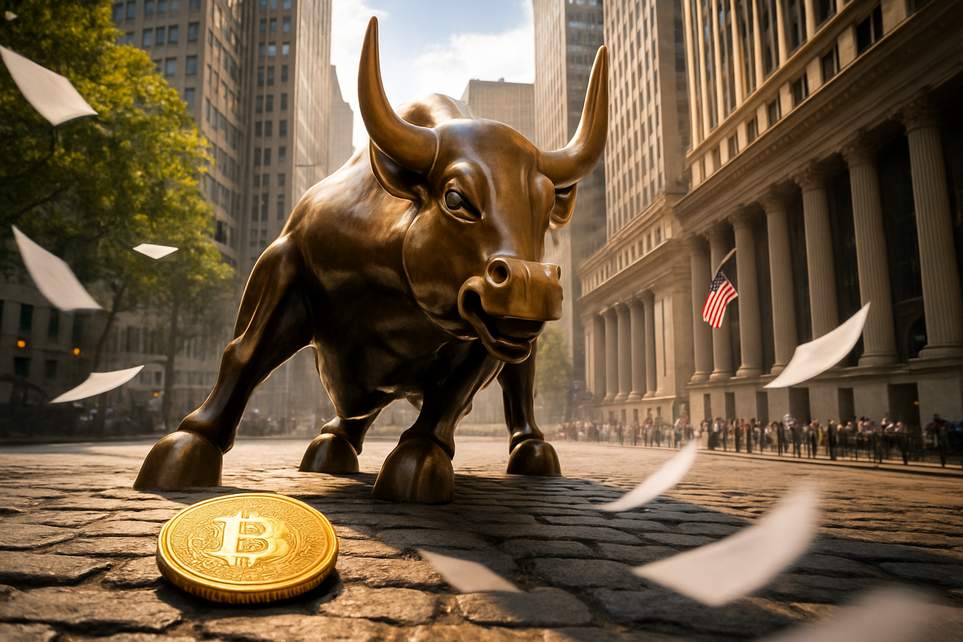
How Big Banks Quietly Took Over Bitcoin’s Plumbing in 2025
Remember the old crypto circus—rocket emojis, Discord pump plans, and pixel art apes selling for outrageous sums? Bye-bye, confetti. By 2025 the market stopped feeling like a basement rave and started acting like a bank boardroom. The headlines aren’t about memes anymore; they’re about custody agreements, tokenized Treasuries, and daily NAVs. Same asset, very different vibe.
If you squint at the balance sheets, the picture is clear: ETFs and tokenized products parked a ton of Bitcoin and other digital assets under institutional roofs. One massive U.S. spot Bitcoin ETF ended up holding roughly three-quarters of a million BTC, and the whole ETF cohort in the U.S. was holding north of a million coins. That’s tens of billions of dollars sitting in funds built for pension managers and corporate treasuries—not for late-night retail gamblers.
The new plumbing: banks, tokenized Treasuries, and institutional pipes
2025’s infrastructure looked less like exotic crypto startups and more like large banks and custody firms running the show. Big names moved from pilots to production: custodial giants and global banks rolled out live digital-asset services, tokenized funds, and even on-chain versions of money-market products you’d expect to see in a CFO’s spreadsheet. One bank launched a tokenized money-market fund that exists as blockchain tokens and can be settled with stablecoins. Another teamed up with a custodian to tokenize shares in traditional cash funds.
Tokenization wasn’t a hobby anymore — it became utility. Tokenized Treasuries and repo markets ballooned, with repo platforms processing trillions of dollars in tokenized transactions in single months and the tokenized RWA (real-world assets) market expanding multiple times over in a couple of years. Tokenized U.S. Treasury funds crossed the billion-dollar mark, and those tokens started getting used as collateral in derivative trades. In short: paper money’s slow shuffle was replaced by a faster, chain-based handoff run by the same institutions that already stewarded most of global capital.
Regulatory moves also nudged this shift. A new federal framework obligated stablecoins to be fully backed by cash and Treasuries and opened the door for bank-affiliated stablecoin issuance. When the regulators write the rules and trusted financial firms build the rails, adoption by big allocators accelerates — which is exactly what happened.
Why it matters: slower volatility, stickier money, and fewer moonshot memes
So what changed besides the headlines? For starters, price dynamics. When the marginal buyer is a pension fund rebalancing a portfolio rather than a Reddit-fueled retail crowd chasing moons, markets tend to get less twitchy. That can mean steadier floors under prices and fewer parabolic spikes — great for long-term allocators, less fun for people who design “to the moon” Twitter banners.
Market microstructure shifted too. Trading volume increasingly came from institutional desks and market makers; exchanges’ order books started to look like professional markets rather than retail battlegrounds. Classic retail signals—NFT mania, search trends, hype forums—deflated. NFT volumes cratered compared to the 2021 peak, and general search interest for crypto topics cooled to levels far below the manic years.
Is this maturation or capture? Both answers are valid and a little bit boring. The upside is that crypto can scale with real, sticky capital that’s less likely to flee at the first sign of margin calls. The downside is that the industry’s countercultural sparkle gets whittled down when the same institutions that dominate stocks and bonds also steer crypto. You lose some volatility and you gain predictability — which investors call stability and poets call soul-crushing.
Either way, 2025 proved a point: cryptocurrencies can grow up. They can live inside the portfolios of institutions that prefer spreadsheets over memes, and the plumbing that moves this value is now largely bank-built. If you liked chaos, the party’s quieter. If you liked reliability, welcome to the new plumbing.