
Did a Presidential Memecoin Break Crypto Politics — and Make Bitcoin King?
The political mess: memecoin drama meets Capitol Hill
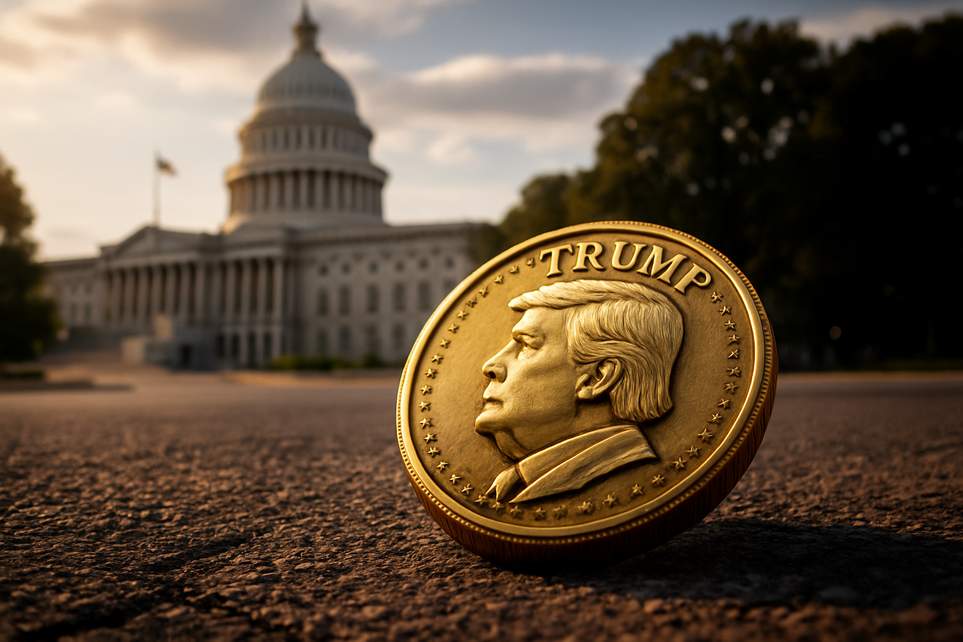
Picture this: a presidential candidate—or rather, a sitting president—drops a flashy memecoin into the wild right around the time Congress is supposed to be figuring out crypto rules. That’s exactly the mess people point at when they blame the token called TRUMP for turning a fairly delicate, bipartisan momentum into a full-blown political soap opera.
Crypto builder Charles Hoskinson argued that the token’s launch torpedoed what he thought would be a smooth 70-vote Senate path for a major industry-friendly bill. The basic claim: a presidential memecoin made crypto look like self-dealing, and once that scent of conflict of interest was in the room, a lot of lawmakers backed away.
There’s proof that the token didn’t help. The coin sale and a related stablecoin raised immediate ethics eyebrows—lawmakers and watchdogs publicly questioned whether a president selling tokens while shaping crypto policy crossed a line. A high-profile hearing on crypto market structure was canceled after concerns about those projects were aired, and that cancellation became Exhibit A for critics who said the White House had made regulation poisonous.
But let’s not forget context. Long before the token’s debut, crypto had already cozyed up to the presidential orbit: fundraising, campaign messaging, and business arrangements had already blurred lines for some observers. So while the memecoin amplified conflict-of-interest alarms, it mostly added fuel to a fire that was already smoldering.
Markets, Bitcoin, and why altcoins got left behind
Now for the other headline: did that memecoin cause 2025 to feel like “Bitcoin only” season? Short answer: not on its own. The markets were nudged (and sometimes shoved) into BTC’s camp for reasons that had more to do with institutions, ETFs, and plain-old risk math than with political theater.
Institutional and retail money flowed heavily into spot Bitcoin ETFs, and new buyers tended to pile into Bitcoin rather than a basket of smaller coins. That concentration — plus clearer regulatory paths for Bitcoin (and to some degree Ethereum) — made BTC the cleanest way for big players to get crypto exposure. When big money treats Bitcoin like digital gold, altcoins lose liquidity and spotlight.
There were also product and regulatory headaches that hit altcoins harder: ETF approvals and pauses, questions about which tokens regulators would tolerate in exchange-traded wrappers, and patchy institutional custody for many projects. Those frictions created whipsaws for names beyond BTC, and reduced appetite for riskier bets.
To be fair, the memecoin and the associated scandals did add headline risk. Some firms got spooked, compliance teams delayed lists and pilots, and a few potential backers chose to sit on their hands. But structural forces — ETF demand, institutional on-ramps, and a maturing investor base — explain most of why Bitcoin dominated the narrative.
So what’s the takeaway? The token was a political hand grenade: noisy, damaging, and unhelpful at a sensitive moment. It made bipartisan cooperation on crypto rules harder by turning an ethics conversation into the main event. But the idea that one meme-tossed coin single-handedly created the Bitcoin-first market cycle doesn’t line up with flow data and the broader regulatory picture. It definitely mattered for optics and politics, but market realities were shaped by deeper, longer-running forces.