
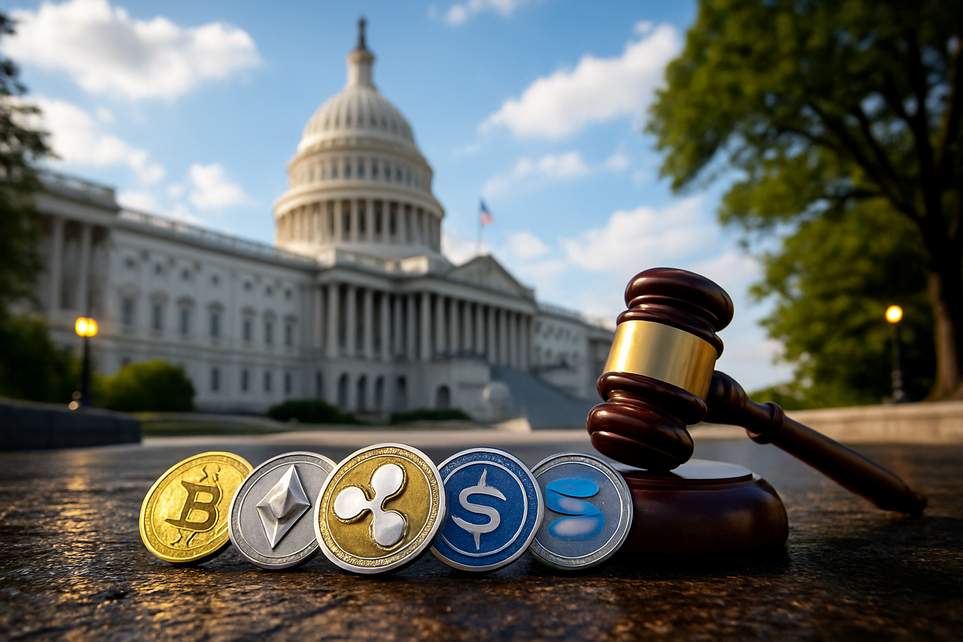
Senate Crypto Deal Is Fraying — And Everyone’s Trying to Rewrite the Rules
What’s falling apart (and why Capitol Hill is suddenly dramatic)
Big crypto companies pushed Congress to pass the Digital Asset Market Clarity Act of 2025 — a federal rulebook that, if it wins, would give the industry one consistent set of rules for trading, asset labels, and which middlemen need to register. Last year’s GENIUS Act handled payment stablecoins, but the Clarity Act aims to do the heavy lifting for everything else. Sounds neat. In reality, it’s turning into political theater.
Republicans want to move fast: a hard sprint to a Senate Banking Committee markup that could happen in mid-January. Democrats, meanwhile, are bringing a long shopping list of changes and redlines that would reshape how decentralized finance (DeFi), token offerings and software projects are treated under the law. The result is a tense mix of “let’s lock it in” and “hold my amendments.”
A few flashpoints explain the tension: Democrats are pushing for tighter oversight of DeFi interfaces (forcing front-ends to screen users), expanding Treasury powers to intervene, and carving out a new category for projects that are only partly decentralized. They’re also asking for beefed-up consumer protections — think rules for crypto ATMs, more muscle for regulators, limits on how much money can be raised under certain exemptions, and a requirement that some protocols proactively check with the SEC instead of waiting to be sued. That last bit flips the usual script and would come as a big compliance headache for early-stage builders.
Why everyone is sweating — money, market access, and the global hustle
One bitter fight centers on stablecoin yield. Banks loudly oppose letting stablecoin issuers pass reserve yields on to holders, claiming it would pull deposits away from traditional banks. Crypto firms see that as a protective reflex rather than a prudential one. The disagreement isn’t just academic: it touches banking revenue, payments economics, and who wins in the next decade of financial plumbing.
Industry executives argue that clear federal rules are essential to unlock institutional use cases — custody, settlement, audit-ready operations, and the kinds of services that large clients expect. A number of big firms have already been restructuring to fit that mold: seeking charters, aiming for central bank access, and buying prime-broker-style operations so they can offer custody and clearance at scale. That’s all expensive and slow if the regulatory map keeps changing.
There’s also a macro angle. Some research suggests growing stablecoin activity can support demand for short-term government debt by creating a new buyer base for Treasuries — which makes the issue interesting to Treasury people too, not just crypto fans. Meanwhile, overseas competitors aren’t waiting. Europe’s new single-market rules and fast-moving Asia hubs are opening attractive, clearer paths for firms that don’t want to sit out on regulatory limbo in the U.S.
So why the rush? Supporters hope a quick markup will lock in a framework before legislators scatter and other issues crowd the calendar. Skeptics say a January markup is the beginning of a long sausage-making process, not a finish line: even if a committee votes, the hard work of reconciling differences and writing actual rules remains.
Bottom line: the Clarity Act could be the corridor that lets crypto plug into mainstream finance, or it could bake in a set of requirements that reshape — or shrink — parts of the industry. Either way, the next few weeks will decide whether lawmakers deliver a clear road map or leave the market to guess and litigate. And if you like drama, Capitol Hill is about to serve it with a side of legal briefs.
