
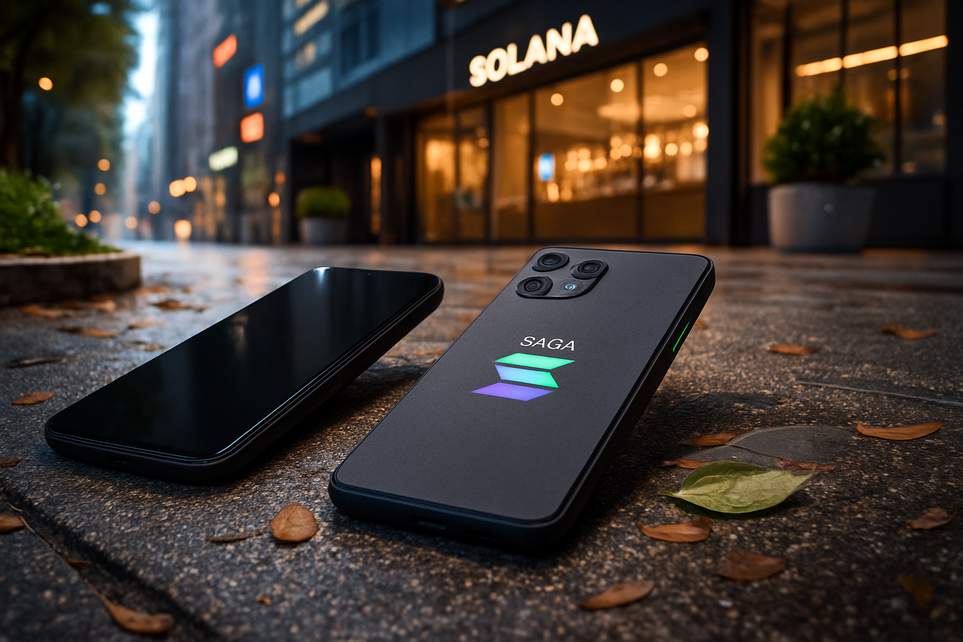
Solana Mobile Stops Saga Security Patches — Your Wallet Might Be Living Dangerously
Why ending Saga support actually matters
So, Solana Mobile quietly pulled the charger on software updates for the Saga phone. Translation: Saga owners will no longer get security fixes or guaranteed compatibility with new apps and services. The company says this won’t affect the newer Seeker line, which will keep getting updates, but for Saga users the message is basically: your handset is moving into retiree mode.
That matters because these phones weren’t just for calls and cat memes — they were designed to hold crypto keys and sign transactions on the device. When a device that performs those duties stops getting patches, the risk is twofold: apps can break over time, and more worryingly, vulnerabilities could expose private keys, approvals, or wallet flows. In plain English: an unpatched phone that holds custody is like leaving your safe door ajar with a “help yourself” sign.
This announcement also lands against an industry backdrop where bigger players are promising longer update windows. The recent trend across major phone makers is for multi-year OS and security support. Against that expectation, a crypto-centric phone needs to be even more dependable, because it’s being asked to act as both wallet and ID — not just a glorified webcam for video calls.
For context, the company has been shifting focus from a single handset to a broader platform: Seeker preorders reportedly topped about 150,000 across dozens of countries, and Seeker shipments are slated to start in August 2025. That narrative frames Saga’s sunset as a handoff from an early adopter cohort to a mass-market play — but handoffs always have friction, especially when keys and money are in the mix.
What this means for you — and what Solana Mobile is betting on
The company isn’t just walking away from hardware; it’s doubling down on incentives and platform mechanics. They’ve previewed SKR, a token system planned to launch in January 2026 with a total supply of 10 billion tokens and roughly 30% set aside for airdrops. If you like math puzzles: that’s about 3 billion tokens earmarked for distribution.
Doing some quick, optimistic arithmetic: if 150,000 preorder holders are eligible equally, that’s roughly 20,000 SKR per device. If eligibility instead depends on active use and only 60% qualify, that per-active-device number jumps to about 33,333 SKR. Add developers, extra campaigns, or broader eligibility and the per-device slice shrinks fast. The bottom line: tokens can be a powerful carrot, but the details of who qualifies matter a lot.
They also claim healthy platform activity — roughly $100 million flowed through participating apps over a recent stretch — which can be read as a sign that phones are becoming a real distribution channel for payments, marketplaces, and identity. If that monthly throughput sticks around, it could make mobile-first custody more attractive. But it also concentrates reputational risk: one widely-publicized security incident tied to an unsupported device could do a lot of damage.
There’s another piece in the playbook: a planned rollout of a community-driven app review and attribution model called Guardians in 2026. That’s intended to decentralize app curation and attribution, potentially shifting some trust away from the vendor and into a broader community. Whether that approach will soothe security worries or add complexity remains to be seen.
So what should you do if you own a Saga or care about on-device custody? Few practical, slightly bossy tips:
– Treat Saga as a legacy device: don’t use it for large, long-term custody. Consider migrating funds off on-device wallets you’re uncomfortable with.
– Move long-term holdings to a hardware wallet or a custody solution with active support and regular security audits.
– If you keep a Saga, minimize exposure: remove unused keys, revoke old approvals, and avoid using it to sign high-value transactions.
– Keep an eye on the Seeker rollout and SKR mechanics if you like the ecosystem — incentives can be attractive, but don’t let airdrops replace basic security hygiene.
At the end of the day, this is a classic trade-off: faster platform growth and token-led incentives versus the risk that an unsupported hardware base creates a costly security event. For curious crypto users, that’s your cue to do a little spring cleaning of wallets and to treat any unsupported device like a charming but unreliable roommate — fun to know, not great to trust with your valuables.