
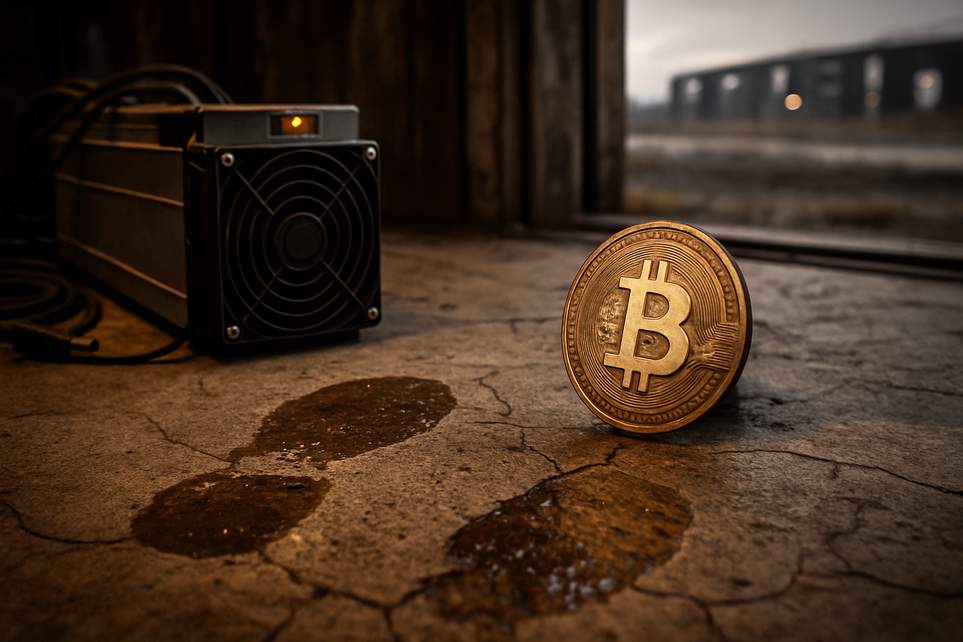
How solo Bitcoin miners found 22 blocks in a year (and one just hit the jackpot)
Small rigs, huge surprises: the Jan. 13 jackpot
On Jan. 13 a single miner — not a giant farm, not a pooled payout — scooped an entire block reward: about 3.125 BTC plus fees, roughly $300,000 at current prices. No splitting. One address, one ecstatic (probably stunned) person or setup, and a normal reminder that randomness doesn’t care how big your rig is.
That kind of win feels impossible if you look at the math. Bitcoin’s total network power sits near 1,024 exahashes per second. A tiny home miner running something like 6 terahashes per second is basically a mosquito next to a herd of rhinos: your chance of finding any given block is on the order of one in 170 million. The expected wait time for a single block at that speed is thousands of years.
Why solo wins still happen (and why people keep doing it)
Here’s the kicker: probability is a stubborn weirdo. Mining is a Poisson process, which is a fancy way of saying each block is its own independent lottery ticket. Your tiny ticket has microscopic odds, but it’s still a ticket. Run thousands (or tens of thousands) of tickets in parallel and somebody’s bound to win now and then.
Data collected from solo-mining trackers shows this play out in real life: 22 verified solo blocks popped up over the past 12 months, averaging about 15.6 days between wins and totaling roughly 69.35 BTC paid out to solo winners. The longest gap without a solo win was 54 days. Those are small numbers in the grand scheme, but they’re regular enough to prove the point.
There are a few ways people solo mine today. Some use services that coordinate work but don’t split rewards — the service takes a small fee (think a couple percent) and if your device finds a block, the coinbase pays your address directly. Others run their own software and a full node, keeping every satoshi but handling the tech themselves. There are also tiny consumer miners that occasionally get lucky; the manufacturers love to tweet or blog about those rare wins.
So why bother? Pure economics will tell you pool mining is the sane choice if you want steady income: join a pool and you get a proportional slice of every block, smoothing out the misery of variance. Solo mining is the opposite: long droughts punctuated by sudden, glorious paydays. Expected returns per unit of hashpower are essentially the same, but the variance profiles could not be more different.
That variance is the product. Some people enjoy the thrill. Some treat it like a lottery ticket, a hobby, or an ideological stance — running your own node and taking your chances. Others are hobbyists who like tinkering or who secretly enjoy the emotional rollercoaster of ‘will-I-or-won’t-I hit it this month?’
Improvements in software and services have lowered the technical bar, too. Years ago solo mining meant babysitting a full node and wrestling with configuration files. Now you can point a miner at a URL or install a plug-and-play app and be in the running. Easier access means more participants, which statistically yields more occasional winners.
Numbers-wise: a 6 TH/s device has roughly a 0.03% chance of finding at least one block over a full year — tiny, but not zero. Bump that to 1 petahash and the expected wait drops to a couple of decades. Mid-range setups (think multiple hundreds of terahashes to a few petahashes) begin to produce single-digit chance-per-year outcomes, which is why most solo wins cluster in that middle slice of hashpower.
Bottom line: the network still produces 144 blocks a day, most go to industrial players, but every so often a solo miner gets lightning in a bottle. Probability doesn’t care about narratives, just numbers — and those numbers guarantee that occasional surprises will keep showing up.
So next time you see a tiny miner claim a full block, tip your hat. It’s math doing its weird, delightful thing.
