
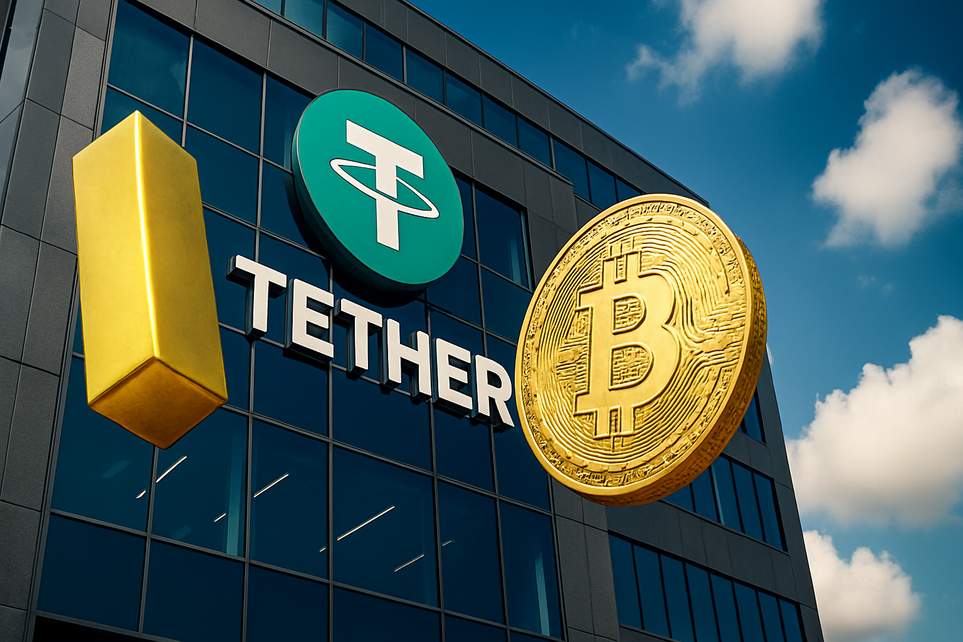
S&P Downgrades Tether — Gold, Bitcoin, and the Stablecoin Identity Crisis
Tether has been on a shopping spree: stacking Bitcoin, piling up gold, and generally behaving like a treasury on a caffeine binge. The result? A credit rating agency has waved a cautious flag. S&P downgraded its view of USDT’s ability to hold the dollar peg to the lowest score in its stablecoin scale, pointing to a reserves mix that looks less like a cash-like safety net and more like an experimental portfolio.
Why S&P got nervous
S&P’s gripe isn’t poetic — it’s practical. Stablecoins are supposed to be instantly redeemable for dollars, especially during chaos. When reserves drift into assets that wobble in price or rely on third parties, the math for quick, painless redemptions gets messier. Tether’s balance sheet now includes roughly $10 billion in Bitcoin, about $15 billion in secured loans, and a big gold stash—some reports put that bullion at about 116 tonnes (roughly $13 billion). Those are real assets, sure, but they’re not the same as cold, liquid cash or short-term Treasury bills.
Gold is historically a confidence booster, but it’s slower to sell in a fire sale than a Treasury bill. Bitcoin brings volatility. Secured loans add counterparty risk. Put those together and S&P says the reserve mix raises uncertainty about how quickly and cleanly Tether could meet mass redemptions in a stress event. The agency also flagged gaps in disclosure: limited public detail on which assets qualify for reserves, how counterparties are chosen, who holds the custody keys, and what happens if an asset suddenly plunges in value. That lack of operational clarity is a big part of the downgrade.
Tether’s playbook and why most users don’t seem to care
Tether’s response is basically: “We know what we’re doing.” Management argues that Bitcoin, gold and other real assets hedge against systemic risk and that those investments strengthen the company over time. The firm points to enormous Treasury holdings on its balance sheet—more than $130 billion in short-term bills—and to the interest those holdings generate. That income stream, reportedly billions of dollars a year, has built up a sizable equity cushion that could help absorb shocks.
From a market perspective, actions speak louder than ratings. USDT has historically held its peg through exchange blowups, lender failures and competitors’ meltdowns. It is deeply liquid across trading venues, remains the go-to base pair for much crypto trading, and is heavily used in emerging markets as a dollar proxy. That day-to-day usefulness and a decade-plus track record buy a lot of trust with traders and institutions — often more than a formal letter from a ratings desk.
Still, confidence and clever hedges don’t erase the sensible request from S&P: clearer, more detailed transparency. Even if a company has hard assets and growing retained earnings, big holders and regulators want to know exactly how reserves are custodied, which counterparties are involved, and what rules govern secured lending. More disclosure would calm nerves, align expectations with global settlement standards, and make it easier for big users to sleep at night without dreaming of sudden runs.
