
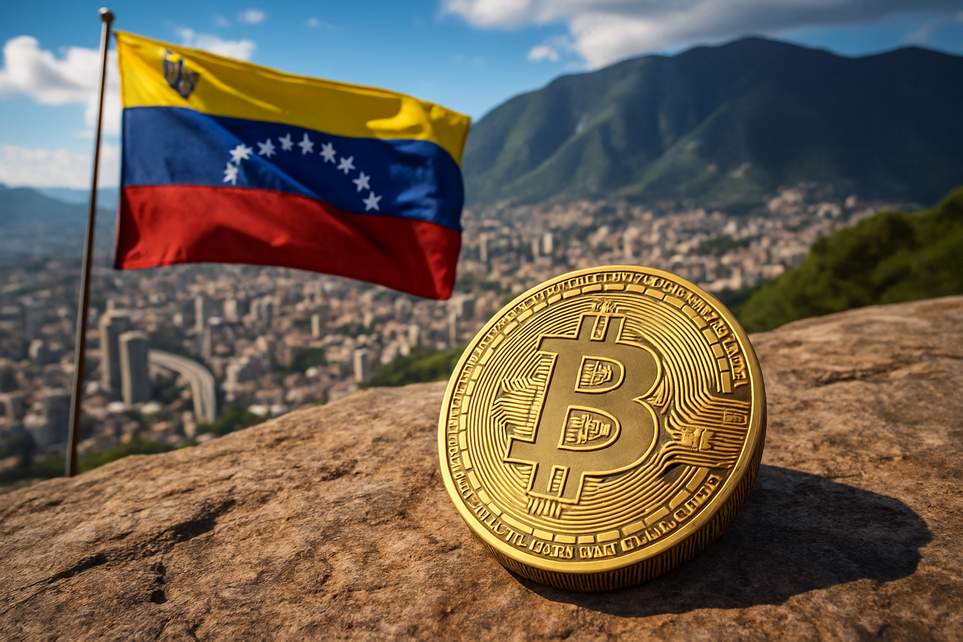
Venezuela’s Alleged $60B Bitcoin Stash: The World’s Most Whispered-About Whale
The rumor: a tiny official balance or a monstrous hidden hoard?
So here’s the spicy headline: official records say Venezuela controls about 240 Bitcoin — basically pocket change in the crypto ocean. But a recent investigative report throws a Molotov cocktail into that calm, suggesting the real number might be closer to 600,000 BTC. Yes, six hundred thousand. At today’s prices that’s a mind-bending pile of cash — tens of billions of dollars.
How would a sanctioned, cash-strapped country pull that off? The rumour goes like this: during heavy sanctions, state actors allegedly converted big chunks of physical resources into digital gold. Gold from large mining operations was reportedly sold off and swapped into Bitcoin when prices were low. Meanwhile, oil sales that couldn’t go through regular banks were paid in stablecoins like USDT — and then those stablecoins were allegedly converted into Bitcoin to keep the money out of reach of foreign controls. Add a failed national token, a domestic mining ban, and a pattern of squeezing private crypto activity, and you get a plausible motive for quietly funneling wealth into an off-the-books, state-controlled crypto reserve.
Why traders, lawyers, and regulators are losing sleep
OK — assume the rumor is directionally true. What then? If U.S. authorities manage to seize those keys, they won’t just nab a corrupt regime’s piggy bank — they’ll potentially hold roughly 3% of Bitcoin’s circulating supply. That kind of haul changes the math.
Most likely near-term outcome: a frozen float. Seized coins typically get locked up in legal limbo while creditors, arbitration winners, and other claimants file injunctions and lawsuits. Think Citgo-style courtroom wrestling, but with private keys and block explorers. Litigation could take years or even decades, effectively removing those coins from active supply — which, mechanically speaking, is bullish for price because a huge chunk of supply is temporarily off the market.
There are other scenarios, each with its own drama. One possibility is that the seized BTC becomes a sort of strategic reserve held by the government — not sold, but retained as a sovereign asset. Imagine a national piggy bank full of Bitcoin: flashy headline, subtle policy shift, and a major symbolic win for the asset class. The darkness on the other end of the spectrum is a fire sale — dumping hundreds of thousands of coins to raise cash. But that’s generally seen as self-defeating: unloading that much would likely crater prices and destroy the sale’s own value, so it’s considered unlikely.
Then there’s the wider, less sexy risk: a sovereign overhang. If one sanctioned state could quietly amass huge Bitcoin reserves, what if others did the same? That potential for hidden, state-held supply adds a geopolitical wildcard to crypto markets. Plus, if stablecoins were used as an intermediate step in those transactions, expect renewed regulatory heat on stablecoin issuers and the payment rails that let nation-states sidestep traditional banking.
In short: the story to watch isn’t just a courtroom cameo — it’s the wallet-level forensics. Market participants will be scanning chains for linked wallets, tracking gold-for-BTC narratives, and monitoring legal filings. If those coins vanish into long-term custody or legal freezers, we get a supply-side squeeze; if they start moving, volatility is guaranteed. Either way, the episode reminds investors that sovereign behavior — secret, strategic, or desperate — can suddenly become a major market factor. Buckle up and keep your block explorers ready.
