
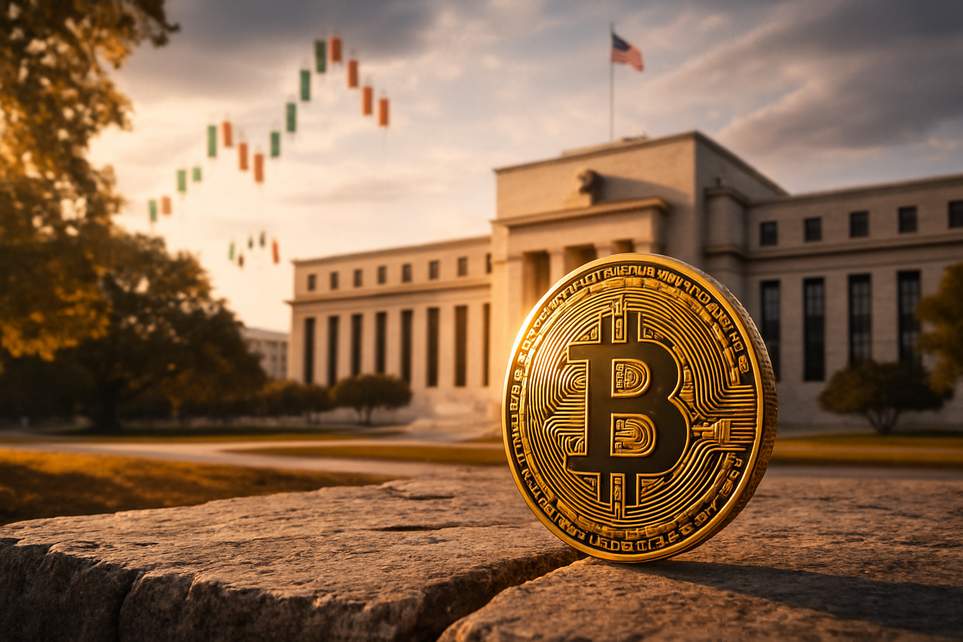
Why Bitcoin Paused at $90K: A ‘Perfect’ Inflation Print That Wasn’t
Bitcoin popped back toward $90,000 late December, gave everyone a hopeful smile, then promptly went back to sulking in its usual choppy range. On paper the macro story looks friendlier — softer inflation prints, a string of rate cuts, and even a landmark move from Japan — but the market didn’t break into a moonwalk. Why?
That “perfect” inflation reading had a big smudge on it
November’s CPI looked like the thing traders wanted: headline inflation dipped into the low-to-mid 2% range and core inflation came in cooler than forecasts. Cue high-fives — except the numbers were partly imagined. A government shutdown delayed October’s report, so parts of November’s data were estimated instead of actually observed. Rents and some services relied on modeled inputs rather than fresh market checks, which makes the whole print noisier than it first appears.
Policymakers noticed. Fed officials described the reading as encouraging but warned it’s distorted by those coverage gaps and not yet evidence of a clean, sustained downshift. Translation: yes, rates are slowly moving lower, but the Fed isn’t about to fling open the liquidity floodgates because of one potentially tainted report.
Liquidity and market structure are the real hang-ups
Even with friendlier headlines, the plumbing beneath risk assets still feels tight. Real yields — the inflation-adjusted cost of money — remain positive and materially higher than the deep negative rates we saw in 2020–21. That keeps the discount on long-duration bets elevated; softer CPI plus a few cuts isn’t the same as a fresh wave of cash hunting for risk.
On-chain and market-depth signals also tell a story of thinning liquidity. There’s a big band of coins sitting underwater above current prices, and market depth metrics have slipped meaningfully since the autumn high. ETF flows have been choppy, not a steady tide of new capital. In plain English: when the price dents upward, a lot of existing holders either sell into the pop or coins just shuffle between the same hands rather than being soaked up by fresh buyers. That creates a supply ceiling that’s hard to break with one headline.
Japan’s first rate hike in decades adds a wrinkle. It took the psychological zero-anchor off the table, and while the initial move was slow and steady, any hint that more tightening is coming could trigger carry-trade stress and forced de-risking across global portfolios — another reason traders are cautious about levering up.
So what are traders watching now?
Markets want cleaner, repeatable signals. Expect traders to look for an unambiguous January inflation print (no missing months) and steadier ETF inflows before they commit to big levered positions. Key things to watch: real yields, whether the Fed leans toward more easing or waits, and whether buying liquidity actually deepens instead of evaporating on price pops.
Until those pieces line up, Bitcoin looks like a maturing macro asset: reactive to conditions but not explosive. The good news is the macro backdrop isn’t hostile anymore — it’s just not a slam-dunk liquidity party either. That means patience, not panic, is the reasonable playbook right now.