
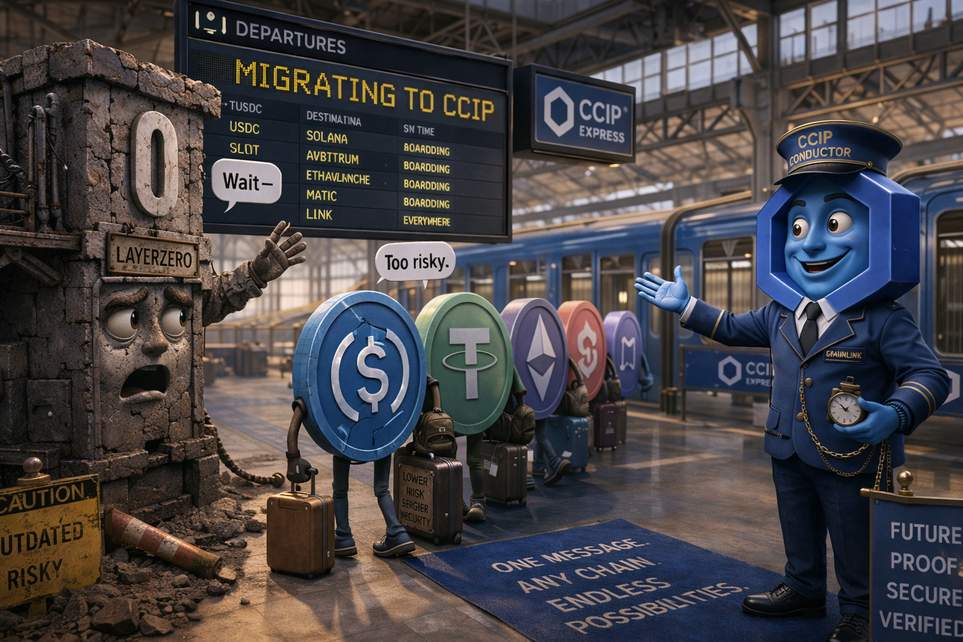
Chainlink Wins the KelpDAO Fallout — Why DeFi Is Flocking to CCIP
So who unexpectedly cashed in? Chainlink.
In the aftermath of a messy $292 million KelpDAO exploit, a bunch of DeFi teams quietly decided they’d rather not be juggling their money on sketchy bridges. The result: projects managing over $3 billion in total value locked have started switching their cross-chain plumbing over to Chainlink’s Cross-Chain Interoperability Protocol (CCIP). Translation: panic + prudence = migration.
Traders noticed too. LINK got a nice bump — roughly mid-teens percentage gains — after the shift gained steam, and exchange balances of the token tightened noticeably. In plain English, people moved LINK off exchanges and markets reacted.
CCIP, bridges, and why teams are packing their bags
Cross-chain bridges are the magical conveyor belts that move tokens, NFTs and messages between blockchains. They keep liquidity flowing between ecosystems — say, from one chain’s garden to another chain’s jungle — without forcing users to sell on a centralized exchange. But those belts have been creaky and tempting targets for hackers, because they often hold piles of value and use complex verification tricks.
Enter CCIP. It leans on Chainlink’s decentralized oracle setup instead of a tiny list of validators, aiming to pipe messages and assets across networks with standardized security checks. Chainlink pitches CCIP as a safer, more opinionated way to stitch chains together, and that’s attractive now that teams are treating cross-chain rails as part of their risk management, not just background plumbing.
That said, no system is bulletproof. The big takeaway for many teams is that standardization and strong default guardrails beat bespoke, do-it-yourself verification when hundreds of millions of dollars are at stake.
LayerZero’s awkward apology and the bigger argument
LayerZero — the cross-chain tech KelpDAO used — owned up to mistakes after the hack. The company admitted it didn’t do enough to stop its verifier network from being used as the only protection for a high-value app, and acknowledged prior internal security slip-ups that were handled. That candor was supposed to reassure folks, but for some projects it came too late.
LayerZero argues the incident was limited to a single app and stressed that billions of dollars have still flowed through its pipes since the breach, with several large assets continuing to use the platform. Defenders say the protocol’s flexibility is its selling point: teams can tailor verification to their needs. Critics counter that flexibility without strong defaults is a recipe for trouble when inexperienced teams are in charge of big money.
The real debate now is whether app teams should get the freedom to tinker with security settings or whether infrastructure providers must bake in tougher guardrails by default. The KelpDAO mess has nudged many toward the latter — which helps explain the CCIP migration.
So what’s the bottom line? DeFi projects are rethinking who they trust to move value across chains. Chainlink’s CCIP is getting the spotlight as a safer, more standardized option, while LayerZero faces the job of convincing big-ticket clients it can keep flexibility without sacrificing safety. Expect more migration, more hand-wringing, and a lot of teams doing serious audits of their cross-chain setups — plus a little celebratory mileage for anyone who loves drama in smart-contract land.
