
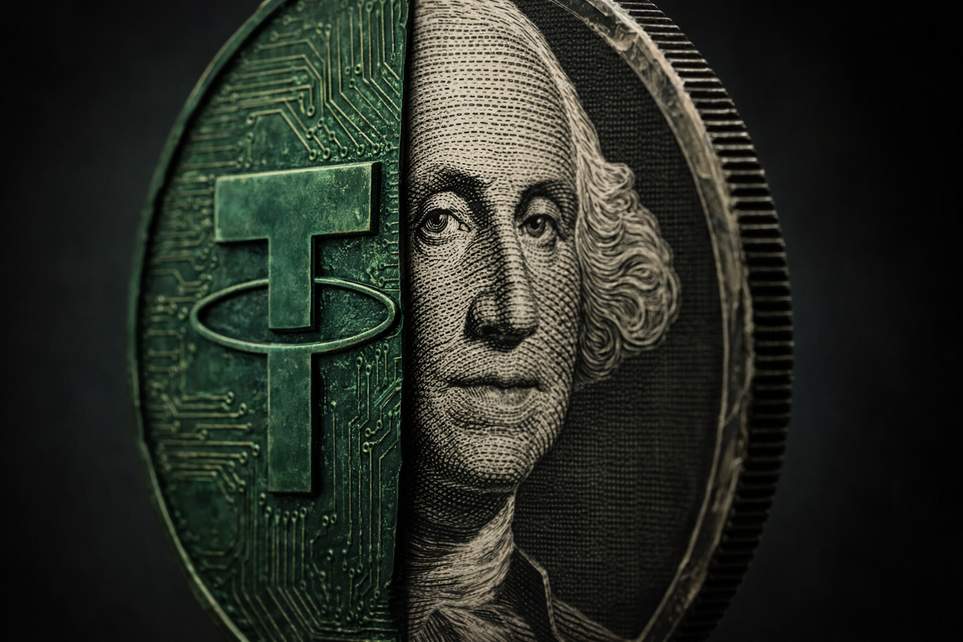
Tether’s $141B Treasury Stash: A Stablecoin Power-Up That’s Equal Parts Lifesaver and Landmine
Here’s a weird plot twist: the same digital-dollar scene regulators once treated like the rowdy kids at the back of the classroom now sits in the front row of America’s debt market. Tether, the company behind the ubiquitous USDT stablecoin, quietly amassed a giant pile of short-term U.S. government paper — roughly $141 billion of direct and indirect exposure — and suddenly a once-fringe crypto player looks a lot like a major bond buyer.
How Tether ended up buying Treasuries by the truckload
Stablecoins are supposed to be pegged to the dollar, which means the issuer needs to park the cash somewhere safe. After years of drama over what counts as “safe,” plus extra scrutiny after major crypto blowups, Tether moved into the vanilla-y comfort zone: cash, cash equivalents, and short-term government debt. By early 2025 the company’s reserves were overwhelmingly liquid — tens of billions in Treasury bills and billions more in overnight repo — and the result is a self-reinforcing loop: people mint more digital dollars, Tether stacks more cash, and that cash flows back into U.S. sovereign debt.
That loop didn’t happen in a vacuum. New U.S. rules now require stablecoin issuers to fully back tokens with liquid assets and disclose what’s in their piggy bank. The logic from policymakers is straightforward: if stablecoins grow into a multi‑trillion‑dollar market, regulators want those reserves parked somewhere safe — and short-term Treasuries check a lot of boxes for safety and liquidity.
Some international organizations and analysts have pointed out how odd this is — a private firm, born in the crypto world and registered overseas, now behaves like a major sovereign bondholder. Combined with other big stablecoin issuers, these reserves can add a nontrivial, ongoing bid for U.S. debt that wasn’t part of the traditional plumbing of global finance a decade ago.
Why that’s both good news for Washington and a potential financial banana peel
On the upside, a big, steady buyer of short-term Treasuries can make financing cheaper and less volatile for the government — exactly the sort of help the Treasury would happily accept while deficits are high. In other words, private-sector demand from digital dollars can act as a convenient source of demand for public IOUs.
On the downside, the setup creates a strange fragility. Regulators and global institutions warn that stablecoins start to look and act like money market funds: if people suddenly lose faith and mass-redemptions occur, issuers may have to dump Treasuries into a stressed market. That could amplify market moves and spread trouble quickly, because tokenized systems settle at machine speed and leave little time for human triage.
There are also big headline numbers floating around about banking impacts: one Treasury estimate suggested stablecoins could pull trillions from bank deposits in a stress scenario, other analysts put the hit at hundreds of billions to a few trillions over the next several years, and some banks loudly fear the competitive pressure if stablecoins ever paid direct yield comparable to deposit rates. Lawmakers have already banned issuers from paying holders yield directly — a compromise designed to calm the banking lobby — but a running fight remains over whether wallets or platforms can offer rewards funded by reserve yields.
So you get this tug-of-war: stablecoins can be a built-in source of demand for Treasuries and a neat plumbing upgrade for fast global payments, yet the same plumbing could transmit shocks at electronic speed. Regulators are trying to thread a very narrow needle: encourage innovation and dollar adoption, but limit runs and contagion risk. Whether that balancing act works will probably determine if stablecoins become a boring piece of financial infrastructure or a headline-making vulnerability.
Bottom line: Tether’s huge Treasury stack is a reminder that modern finance loves surprises. A product that started as a tool for crypto traders has become a lever in debates about dollar dominance, bank stability, and how we fund governments. It’s the sort of plot twist that makes economists sigh, traders refresh yield curves on weekends, and everyone else reach for popcorn.
