
When Bitcoin ATMs Met Their Match: The Rise, the Scams, and the Shutdown
The corner-kiosk heyday
Remember when crypto felt like a secret handshake and a paper receipt? Bitcoin ATMs were the obvious, slightly sketchy solution that made buying Bitcoin feel as casual as grabbing gum at the corner store. Pop in bills, scan a QR code, and a few minutes later your wallet got some digital glitter — no bank account, no lengthy verification, and definitely no boring paperwork.
That physical, cash-to-crypto experience gave Bitcoin a very real street presence. People paid through the nose for instant access (we’re talking fees that often hovered between 10% and 30%), but the speed and simplicity made it tolerable — for a while.
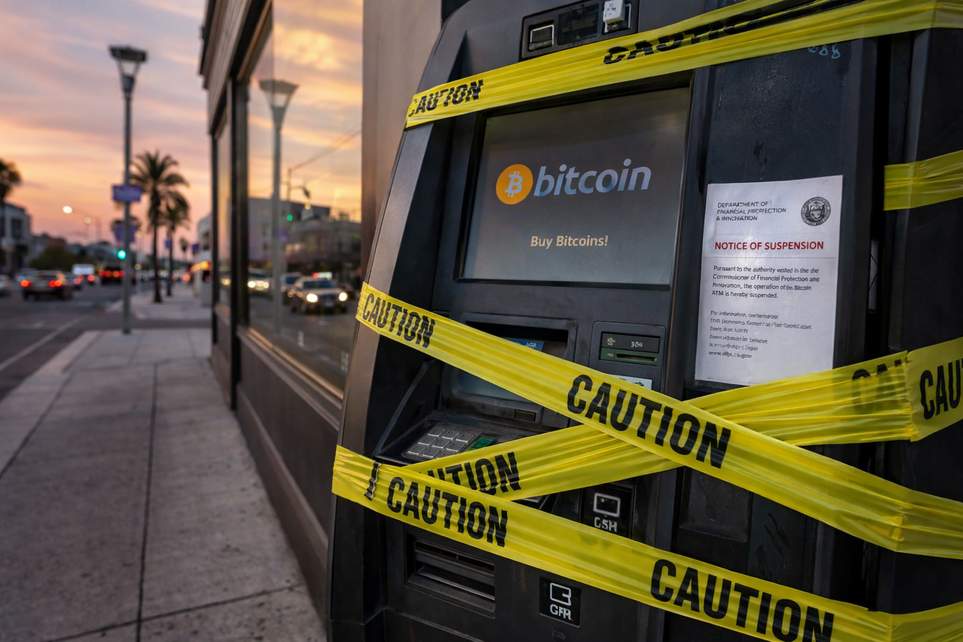
Then the house of cards started wobbling. Bitcoin Depot, once the biggest player in North America with roughly 9,700 kiosks, filed for Chapter 11 in May 2026 and took its whole network offline. Revenue plunged dramatically, gross profit collapsed, and a tidy profit from the year before flipped into a multimillion-dollar loss. Management described the underlying model as unsustainable — and regulators, lawsuits, and cyberattacks piled on.
How convenience became a giant problem
The very things that made ATMs attractive also made them fragile. Crypto transactions are irreversible: once coins leave a wallet, they’re gone. That made these kiosks a dream tool for social-engineering scams, especially ones that targeted older folks and relied on coaching victims through the cash-to-BTC process.
The numbers are grim. Law enforcement and reporting showed thousands of kiosk-related fraud complaints in a single year, with reported losses in the hundreds of millions. A striking share of that misery landed on adults over 60, which turned the issue into a politically potent one.
As fraud reports mounted, the economics of ATMs cratered. They had relied on blisteringly high fees and frequent transactions to stay profitable. Add mandatory ID checks, disclosures, transaction limits, refund rules, analytics, licensing, litigation reserves, and the cost of complying with new laws — and the business math evaporated. Fast and loose cash conversions do not mix well with slow, expensive compliance regimes.
The regulatory squeeze and what’s left
Regulators reacted. California capped daily ATM transactions and limited fees, and those limits were upheld by the courts. Several states moved further, banning or severely restricting crypto kiosks. Lawsuits from state attorneys general and settlements for affected consumers added legal cost and reputational damage. Some operators faced millions in judgments and even lost funds to cyberattacks on top of everything else.
Meanwhile, the rest of the financial world kept catching up. Spot Bitcoin ETFs, mainstream brokerages, fintech apps, and stablecoin rails made buying and holding crypto easier, cheaper, and less… carnival-like. When normal bank and app channels can get you exposure in minutes with far fewer nightmares attached, the kiosk’s main selling points — speed and cash convenience — stopped being compelling.
So what’s left for the humble Bitcoin ATM? For now, mostly memories and cautionary tales. They were the first accessible doorway to crypto for many people, but when a door becomes a liability, lawmakers and customers close it. The retail adoption baton has been passed to regulated infrastructure that tries to marry speed with safety — and that’s a much harder act for a coin-operated machine to pull off.
