
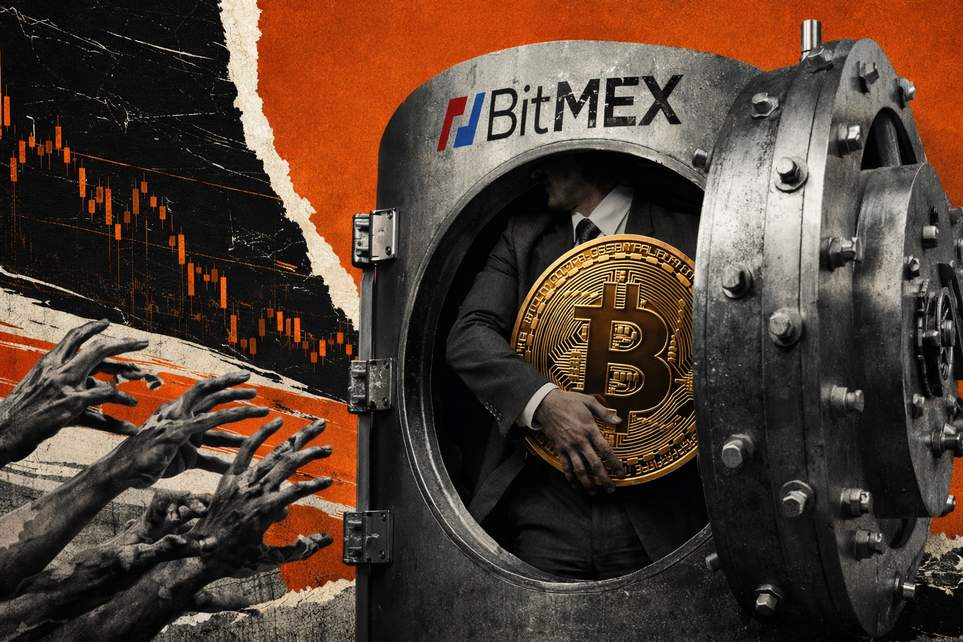
Lawsuit Says BitMEX Seized 622.66 BTC Through Engineered Liquidations
The short version (because nobody likes legalese)
A proposed class action filed in the Southern District of New York claims users lost a combined 622.66 Bitcoin after BitMEX allegedly engineered liquidations and kept traders’ collateral. Two plaintiffs — one business and one individual — say they lost roughly 305.809 BTC in 2018 and 316.856 BTC between 2019 and 2020, and they want the actual coins back, not just a dollar bill substitute.
The suit names the exchange’s operator and several affiliated companies, along with co‑founders and other executives. The plaintiffs are suing for replevin (that’s legal-speak for “give us the property”) and fraud.
Allegations, the timeline, and why people are raising eyebrows
Here’s what the complaint alleges, in plain English: the exchange’s liquidation system reportedly closed out positions when unrealized losses reached about half of the collateral a trader had posted. The lawsuit says that, after a forced liquidation, traders were left with collateral that exceeded the loss — and instead of returning that leftover, BitMEX supposedly redirected it to an insurance pool.
Even spicier: the filing claims an internal trading desk could see customer positions, hidden orders, and liquidation thresholds. That desk allegedly traded using anonymized accounts and could keep trading during server freezes that locked regular users out. The complaint also alleges this desk traded on external reference markets to nudge prices toward liquidation points. Those are serious accusations, but keep in mind they’re allegations — not proven facts yet.
The plaintiffs point to an earlier class action from 2020 that was voluntarily dismissed without prejudice in mid‑2025. This new filing argues that the earlier case paused the clock on when claims could be brought, and that gives the plaintiffs room to seek the coins themselves now.
BitMEX’s CEO dismissed the lawsuit as “spurious and opportunistic,” and says the company will defend itself vigorously.
Where things stand now and what actually matters to users
A regulator‑approved wind‑down plan is underway. The exchange operator withdrew its virtual‑asset licence application and says it is winding down operations, closing positions, and returning client assets ahead of a planned cessation date. Users have reportedly been told they will still be able to view balances and withdraw funds after the shutdown date.
But the wind‑down paperwork is quiet on how to handle Bitcoin that is specifically disputed in historical liquidation fights — which is why plaintiffs say the shutdown adds urgency to the ownership question. The plan itself doesn’t decide who owns the allegedly taken coins, nor does it mean recoveries are guaranteed.
Bottom line: this case will hinge on evidence — especially whether plaintiffs can prove internal trading desks had access and acted on customer data, and whether the liquidation logic actually produced the imbalance plaintiffs describe. Keep an eye on court filings and any discovery that unearths logs, chat records, or internal policies. If the plaintiffs can show the smoking gun, those 622 BTC could become the most expensive legal tug‑of‑war in crypto history.
Stay tuned — this one smells like drama, the legal kind. And no, we’re not making this up; courts will sort the receipts.
