
XRP’s $1.16 Bounce: Whales, ETFs, and What’s Next
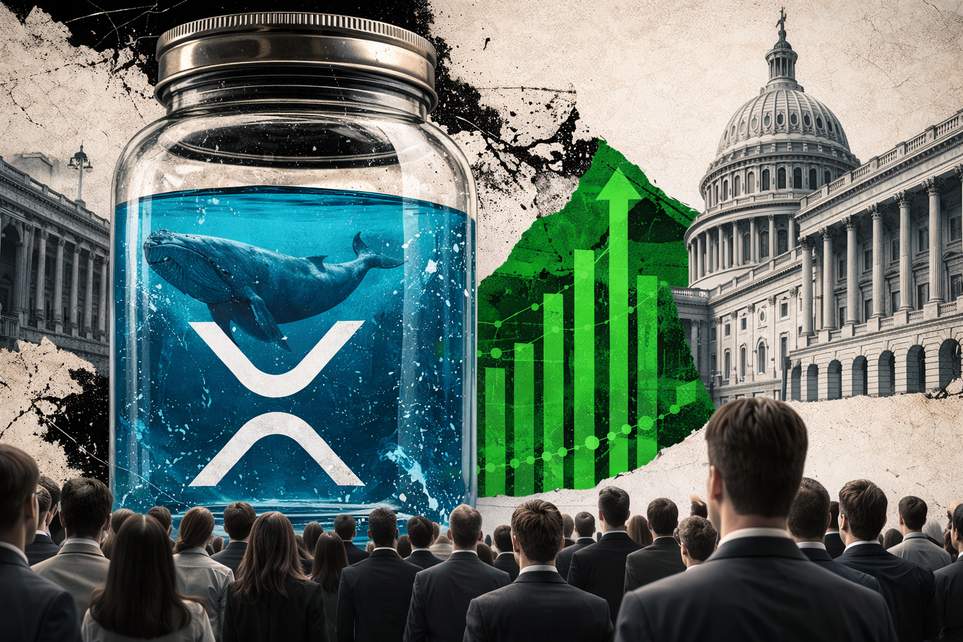
Whales are stacking while exchange supply dries up
XRP nudged back above the $1.16 mark this week, but the move hasn’t been a full-on moon mission — think cautious shimmy rather than fireworks. A noticeable change behind the scenes: big holders are moving fewer coins onto exchanges and seem to be sitting tighter on their bags. That removes one obvious source of selling pressure, even if a clean breakout hasn’t arrived yet. At the time of writing XRP is trading near $1.14, so the rally still needs fresh demand to push it higher.
Looking under the hood, wallets with between 100,000 and 100 million XRP grew their combined balances by roughly 2.8% over about five weeks, while very tiny addresses (less than 0.01 XRP) trimmed their holdings by around 5.2% in the same span. In plain English: the big fish are getting fatter, the micro-sharks are shedding weight.
Exchange flow data show the change in behavior too. On July 22, whales made up about 77.8% of XRP withdrawals from centralized exchanges, up from roughly 63% in early May, while retail’s slice of outflows dropped. Binance-specific numbers tell a similar tale: large holders accounted for roughly 71% of withdrawals on July 22 versus about 67% back in May. Meanwhile, whale deposits to Binance have plunged — from a previous peak of roughly 583 million XRP down to about 25.3 million XRP, a collapse of around 96%. In short: large holders are taking coins off the market and not redepositing them for quick trades.
ETFs are quietly adding buy pressure
On the demand side, US-listed spot XRP funds are still trickling in fresh cash. July so far has shown modest inflows (about $12 million), adding to a run of months that collectively brought roughly $285 million in net new money over a recent four-month stretch. Since these funds launched they’ve pulled in about $1.49 billion in net flows and hold roughly $1.06 billion in assets. Not bitcoin-level tsunami flows, but steady enough to matter — especially when whale selling is easing.
Why ETFs matter: when new fund shares are created, providers and counterparties need to source XRP. That means ETFs can act as a regular buyer in a market where some supply is vanishing from exchange order books. If inflows keep showing up, they provide a repeated source of demand that can help absorb tokens as prices climb.
So, what could happen next?
Traders are already setting up for a potential breakout: XRP open interest has risen to around $2.6 billion as positions build ahead of the July highs near $1.18. If Bitcoin makes a push toward higher levels — say around the high-$60k range — it can lift broader risk appetite and nudge XRP toward $1.20 or beyond. But to clear the path higher, buyers need to be willing to absorb the supply still floating around at current levels.
Derivatives markets still show caution: options and funding rates hint that some traders are hedging for another dip even as long-term holders hold steady and ETF demand quietly adds bids. In short, the pieces are aligning — reduced exchange deposits, whale accumulation, and steady ETF flows — but a convincing breakout will need sustained buying at higher prices. Until then, expect more sneaky accumulation and cautious optimism, with traders squinting at charts and whales enjoying their extra XRP snacks.
