
US Blacklists Iranian ‘Bitcoin Toll’ Maritime Scheme
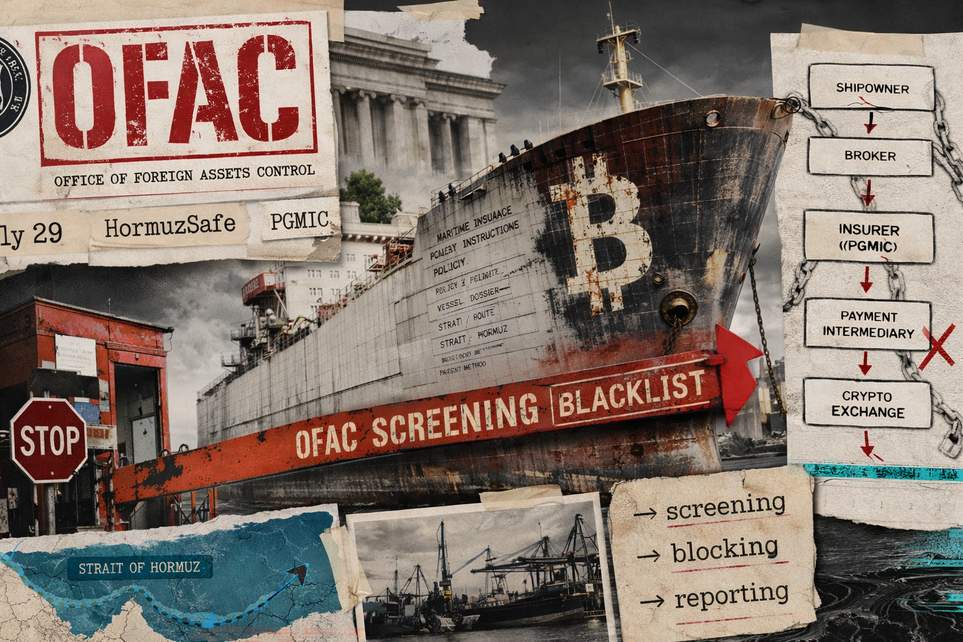
The U.S. government has formally targeted an unusual maritime setup that reportedly pressured commercial ships to buy ‘‘insurance’’ — sometimes in Bitcoin — for safe passage through the Strait of Hormuz. This move adds two Iranian insurance outfits to the U.S. sanctions blacklist and brings a flurry of legal consequences along with it.
What happened
On July 29, U.S. authorities placed HormuzSafe Marine Services Authority and Persian Gulf Marine Insurance Company (PGMIC) on the Specially Designated Nationals list. The designation says these firms operated in Iran’s financial sector and were tied to a scheme that compelled vessels to pay for so‑called insurance to transit the strait. U.S. officials also allege that the program accepted Bitcoin and other digital assets as a way to get around Western sanctions.
The action also included a separate set of sanctions that targeted several companies and vessels tied to Iran’s petroleum trade — a related but distinct group from the two insurance outfits. The public notices did not name specific cryptocurrency wallet addresses or publish payment volumes tied to the scheme.
Why this matters (and what to watch)
Once a person or company is added to the U.S. sanctions list, U.S. persons must generally treat any property of the blocked party that comes into U.S. possession as frozen and must not engage in most transactions with them. There’s also a roughly 10‑business‑day window for reporting an initial block to authorities when required. Translation: if something smells like blocked property and lands in your lap, you don’t get to keep it or move it — you report and freeze it.
Don’t let the paperwork lull you — U.S. sanctions rules include the “50 Percent Rule,” which means an entity can be treated as blocked if half or more of it is owned, directly or indirectly, by blocked parties. That’s why ownership checks and careful counterparty screening matter a lot, especially in industries like maritime insurance.
On top of civil penalties for violations (which can be assessed without proof you intended to break the rules), non‑U.S. actors aren’t off the hook. Foreign companies or banks can face exposure if they knowingly help evade sanctions, facilitate significant transactions for designated parties, or materially support them. Specific guidance on the Hormuz situation warns that paying for ‘‘safe passage’’ or providing related services can create meaningful sanctions risk — although mere transit through the strait by itself isn’t automatically the trigger for enforcement.
Bottom line: if you’re dealing with maritime insurance, payments tied to Strait of Hormuz transit, or otherwise doing business near that region, treat counterparties with suspicion, run ownership and sanctions checks, and assume regulators are watching. Think of it like avoiding a sketchy tollbooth — but with legal forms and freezing orders instead of a traffic cone and a grumpy attendant.
