
Russia picks Bitcoin, Ethereum and USDT for public trading as retail faces ₽300,000 cap
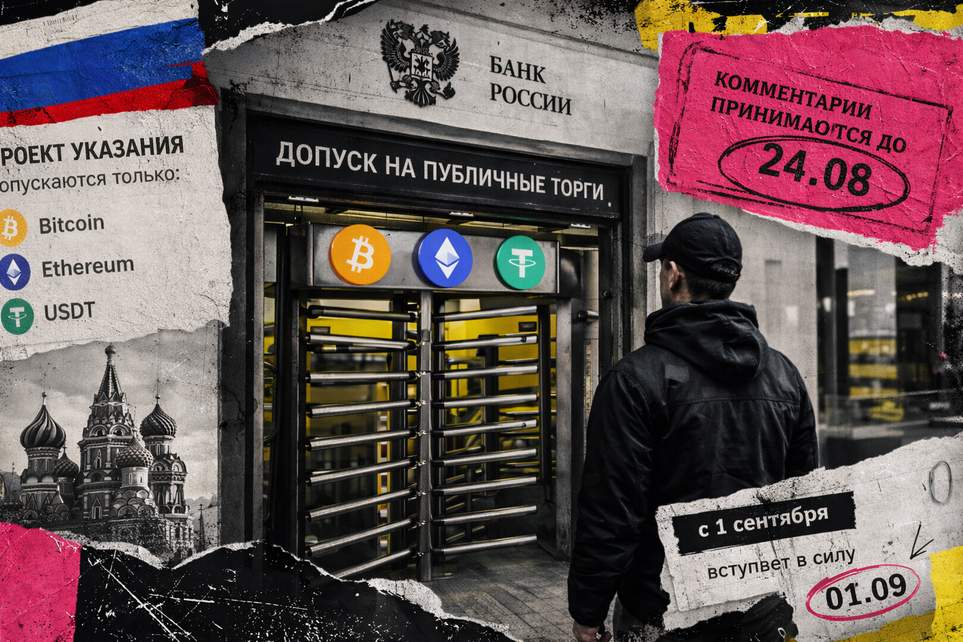
Russia’s central bank has floated a draft plan to let the public trade only three cryptocurrencies on organized markets: Bitcoin, Ethereum and Tether (USDT). For regular retail folks (that is, non‑qualified investors), the proposal caps annual purchases at ₽300,000 per broker — roughly $58,000 — measured by the total ruble cost of buys made through each broker during a calendar year.
What the draft lays out
Under the proposed rules the broker, not the person, is the unit for the cap — so you could, in theory, buy more if you use multiple brokers (not an investment tip, just a technical description). The draft also names the three eligible assets up front for public organized trading. Qualified investors, by contrast, would have a broader path: they’d need to pass a regulator’s test and then could trade a wider set of cryptocurrencies through intermediaries without that per‑broker ceiling.
The draft treats exchanges, brokers, management companies and digital repositories as pieces of the new market plumbing. Organized trading would be one main channel for transactions while repositories record rights to assets. There’s also a separate channel for international trade: exporters and importers would be allowed to use any wallet or cryptocurrency for cross‑border settlements, which is a different track from domestic public‑market admission.
Why it matters — and what could still change
This is still a consultation draft, so the list of allowed assets, the ₽300,000 cap and other details could be tweaked before anything becomes final. The consultation window runs until Aug. 24, and the underlying crypto law itself is due to take effect on Sept. 1; the specific directive would come into force a short time after its official publication. In short: designs can be edited, dates nudged, and numbers altered before the rules are set in stone.
For everyday traders, the draft signals that legal access to public trading will come with limits, custody requirements and compliance guardrails. For bigger players and qualified investors, the regulator is offering a looser, tested route. And for companies that do international business, the draft explicitly preserves a flexible cross‑border channel separate from the public trading venue.
Quick takeaways for normal humans
If you trade crypto casually, expect some frictions coming: broker limits, paperwork and stronger custody rules. If you’re thinking of becoming a “qualified investor” you’ll need to pass the regulator’s test but then gain fewer restrictions. Watch the consultation deadline if you want to send feedback or keep tabs on changes, and keep an eye on your broker’s announcements — they’ll be the ones implementing the practical bits.
Bottom line: the proposal carves out a small, controlled on‑ramp for public crypto trading while leaving room for a wider institutional route and a separate lane for international settlements. Rules may shift, but the shape of the new market is becoming clearer — three assets for the public venue, limits for retail, and a bigger playground behind the tested investor gate.
