
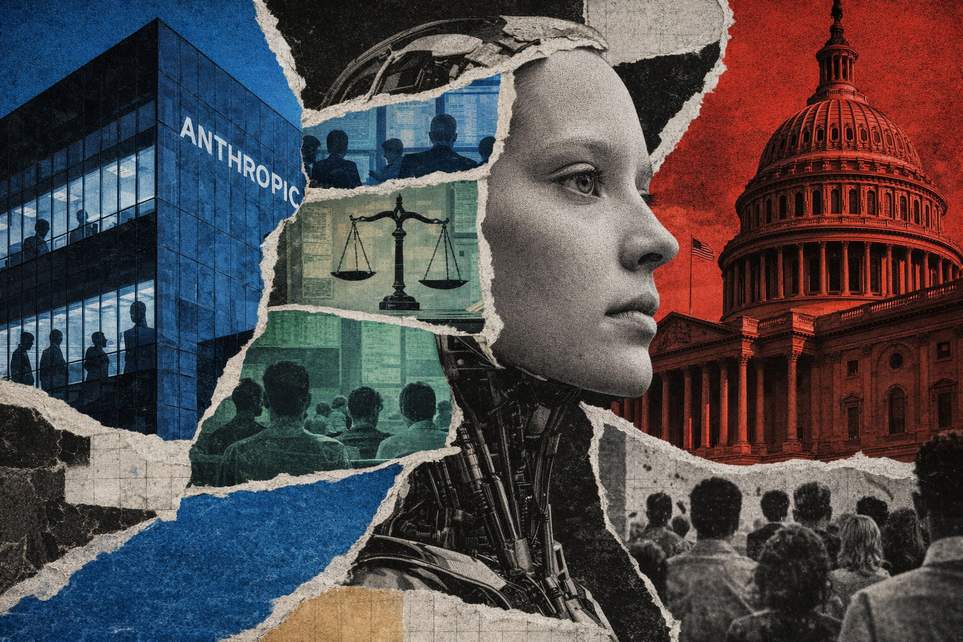
AI’s 2026 Slowdown Dilemma: Nationalize, Decentralize, or Just Hit the Brakes?
The fork in the road: nationalize or decentralize?
Over the last year the conversation about how to slow runaway AI has gone from nerdy white papers to full-blown geopolitical finger pointing. One camp says: give external teams real access to labs so outsiders can poke, prod, and publish whether an outfit is actually behaving responsibly. Sounds sensible — but letting one company invite auditors into the treehouse won’t stop the kid next door from building a bigger slingshot.
On the other side of the playground are ideas that sound much more dramatic: governments buying stakes in big AI firms, or even nationalizing pieces of the industry so public institutions control the levers. Proposals like a government sovereign fund that takes large equity positions aim to shift who benefits financially and who gets a say in boardroom choices. That could divert some profits to the public purse and give regulators more influence, but ownership alone doesn’t automatically tell a lab when to stop training a model.
Then there’s the open-source route: publish model weights and let the whole research community inspect them. Transparency can invite more eyeballs, faster fixes, and unexpected innovations — yay! But it also scatters copies of capable systems far and wide, making later attempts to impose a coordinated pause or mitigation much harder. In short: open release helps scrutiny but messes with enforceability.
A practical middle: rules, independent checks, and a temporary brake
There’s a middle path that keeps the private sector humming while giving democracies tools to slow things down if necessary. Picture three pieces working together: clear public rules for the biggest, most consequential developers; independent evaluators with enough access to verify how safety promises are actually being implemented; and a narrowly scoped, temporary government authority to stop training or deployment when a system crosses a legally defined danger line.
A pause power is different from ownership. It doesn’t require the state to run every lab — it just gives public authorities a legally constrained emergency button for extreme, demonstrable threats. For that to be legitimate and not terrifyingly arbitrary, you need tight statutory triggers, technical competence inside the review process, independent oversight, and strict limits on how and when the pause can be used. Expiry dates and renewal rules are essential so a safety pause doesn’t calcify into permanent political control.
Independent evaluators should be free to publish their findings, with only narrowly tailored redactions for real security, privacy, or legal needs. Whistleblowers, researchers, and cross-border regulators also need clear channels to challenge both companies and official actions. That multi-lane oversight reduces the chance that a single regulator or corporation locks down innovation — or that a temporary safety measure turns into creeping centralization.
Finally, policy design matters. Public equity can redistribute wealth and shift boardroom power, but it won’t, by itself, say “stop.” Open models widen scrutiny but scatter enforceable control points. Credible pacing likely requires every major frontier developer to operate under the same public boundary: enforceable rules, independent verification, and a narrowly scoped emergency brake that can be invoked and independently reviewed.
In short: don’t nationalize everything, don’t unleash everything, and definitely don’t rely on one lab’s good intentions. Instead, build shared guardrails, let independent eyes check them, and keep a short, transparent emergency brake for real emergencies. It’s messy, but it’s less likely to end in either runaway chaos or single-institution control — and that’s a win for the rest of us.
