
Congress Targets Crypto Tax Loophole — With a Stablecoin Carrot
Congress is tinkering with crypto taxes again, and this time it’s a two‑part move: shut down a popular tax trick used by spot crypto traders, and give a narrow tax pass to a particular kind of regulated stablecoin. The proposal, presented as the Digital Asset PARITY Act by Representatives Steven Horsford and Max Miller, revamps how certain digital assets get treated for tax purposes.
What’s in the proposal (short version)
At its core the draft overhauls the wash‑sale rules so they apply to “specified assets” — basically actively traded digital coins and related derivatives. That means the familiar 30‑day before/after replacement rule that equity traders live with would also bite crypto traders: selling a coin at a loss and immediately rebuying it could stop being a deductible move. The rewrite covers spot positions, options, forwards, futures, shorts and similar instruments, and the wash‑sale changes take effect as soon as the law is enacted.
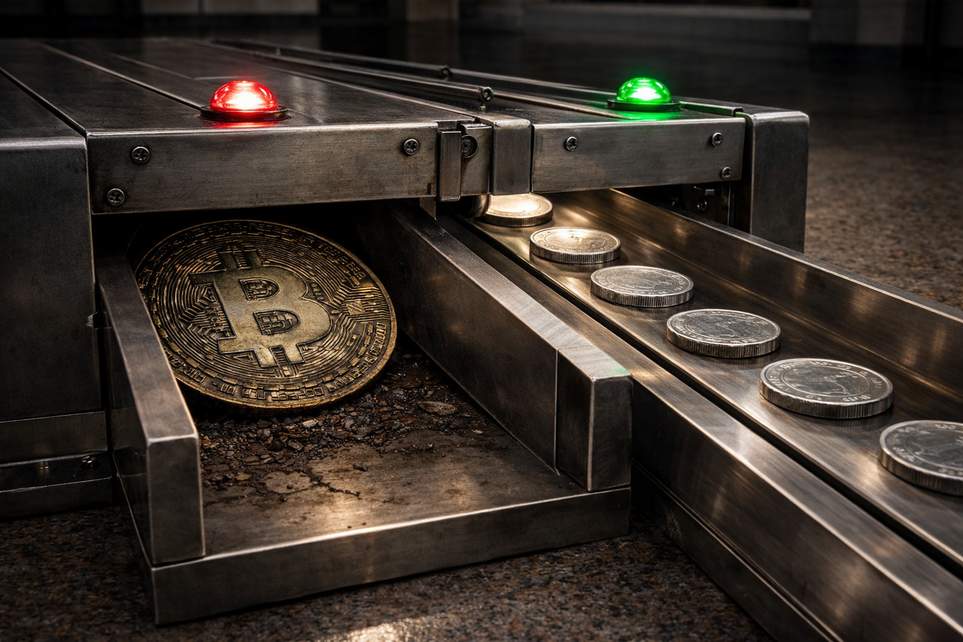
On the flip side, the bill carves out an exception for a narrow class of regulated payment stablecoins. If a stablecoin meets strict issuer and peg requirements and trades within a $0.99–$1.01 band, sellers wouldn’t recognize gain or loss on the swap, and the tax basis for any residual calculation would be treated as $1.00 per unit. That carveout is scoped tightly — it doesn’t extend to brokers or securities/commodities dealers, related‑party trades get anti‑abuse scrutiny, and Congress is still debating mechanical details like whether very small transactions should be ignored (rumored $200 per transaction) or whether there should be an annual cap.
The bill also creates a mark‑to‑market election aimed at dealers and traders, and the wash‑sale rules wouldn’t apply to assets subject to mark‑to‑market accounting. In short: professionals could get an elections framework; casual folks might lose a handy loophole.
Why you should care (winners, losers, and plausible outcomes)
First, the immediate losers: ordinary retail users who relied on quick sell‑and‑rebuy moves to harvest tax losses are the most exposed. The loophole the proposal targets has been a unique quirk of crypto taxation because the old wash‑sale wording covered only stocks and securities. Close that gap and many retail strategies change overnight.
Winners could be regulated stablecoins and the companies behind them — if the bill’s carveout survives in a clean form, on‑chain dollars used for payments get friendlier tax treatment. The bill is explicitly trying to nudge crypto toward “payments” use cases rather than pure trading, and if regulators finalize a clear issuer framework the carveout could cover a decent slice of dollar‑pegged stablecoin volume.
There’s also a timing wrinkle: exchanges must start new broker reporting (a Form 1099‑style requirement) for 2025 transactions, with broker statements to taxpayers coming in early 2026. That reporting standardization arrives right as Congress debates closing the wash‑sale gap, so retail holders will see clearer statements about proceeds but fewer easy ways to paper‑loss them once the law changes.
The outcomes can swing different ways. In the sunny version, lawmakers pair the wash‑sale fix with a tidy small‑payment exemption and a polished stablecoin carveout aligned with a regulated‑issuer rulebook, making small everyday crypto payments frictionless while shutting down abusive trading tricks. In the gloomy version, the wash‑sale and derivative expansions survive mostly intact while the stablecoin relief gets bogged down in technical drafting, leaving retail folks squeezed and professionals with the better tax options.
Bottom line: Congress looks pretty determined to end the special wash‑sale treatment crypto holders have enjoyed, while offering a carefully limited safe harbor to the kind of regulated, dollar‑pegged stablecoins it wants to encourage. If you trade a lot, or you’re thinking of using stablecoins as digital cash, it’s a good moment to check with a tax pro and pay attention to final legislative language — or brace for fewer easy tax hacks and slightly cleaner on‑chain dollars.
