
DeFi lender proposes bad-debt fix, but user USDC funds remain locked
Quick TL;DR
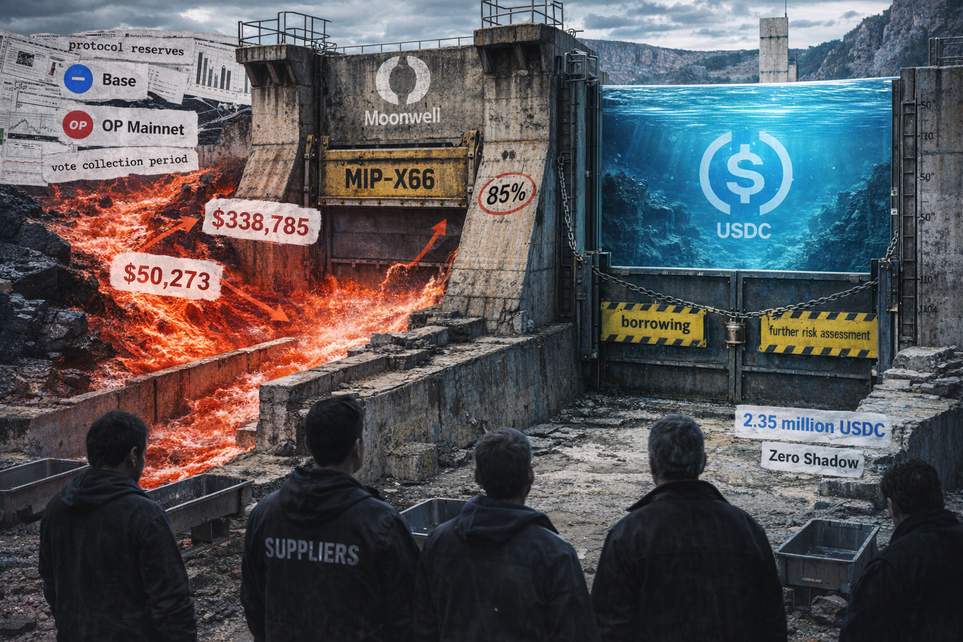
Moonwell put forward a package of rate and risk changes that a third-party modeler says could dramatically slow the growth of bad-debt interest — think shrinking monthly interest from roughly $339k to about $50k. Sounds great on paper. The not-so-great part: users who deposited USDC still can’t withdraw, there’s no confirmed cash recovery number, and no firm timetable for repaying suppliers.
The proposal, broken down (no legalese, promise)
The governance proposal — a bundle of market-risk tweaks, interest-rate model changes, and a plan to tap protocol-owned reserves — aims to recapitalize the USDC market on the affected chains. An audit-ish group ran projections showing the rate moves would cut the monthly interest adding to existing bad debt by roughly 85% if balances and utilization don’t change. Translation: the debt would grow much more slowly, not magically disappear.
Crucially, the reserve piece only targets assets owned by the protocol, not customer deposits. Moonwell’s update described what would happen if the proposal passes, but it did not confirm any reserve transfers or set a repayment schedule for suppliers. In short: a framework is proposed, execution is not yet a fait accompli.
Why your USDC can still be locked (and why that’s annoying)
This whole mess traces back to a market incident that inflated collateral accounting and involved price-oracle manipulation. The post-incident assessment estimated several million dollars in residual borrower obligations, including a large chunk denominated in USDC. Those numbers represent borrower liabilities, not available cash sitting ready for withdrawals.
People who deposited after the incident have reported that their funds effectively became non-withdrawable. Some users are asking for clear, separate figures: how much cash is in the market, how much is performing debt, how much is impaired, what reserves exist, and what recoveries have been made so far. Those are reasonable asks, and they highlight how opaque things still are.
The team has hired an external security firm to help with recovery options, but the update didn’t say how much cash has already been recovered, nor did it promise full reimbursement. Reopening borrowing on the affected market would require additional risk checks even if the proposal passes — so execution ≠ instant restart.
What to watch next (and some plain-language advice)
Keep an eye on governance vote results and community updates. The main indicators that matter: confirmation of actual reserve conversions, a clear supplier repayment timeline, and published accounting that separates liquid cash from impaired borrower obligations. Until you see those, consider any funds still in the protocol as illiquid risk capital.
Practical tips: don’t add new deposits to the affected markets, follow official governance and forum threads for verified updates, and prepare for partial or delayed recoveries rather than an immediate refund. This isn’t over, but the proposal could be a useful step — if and only if it’s executed and accompanied by transparent accounting and a real repayment plan.
