
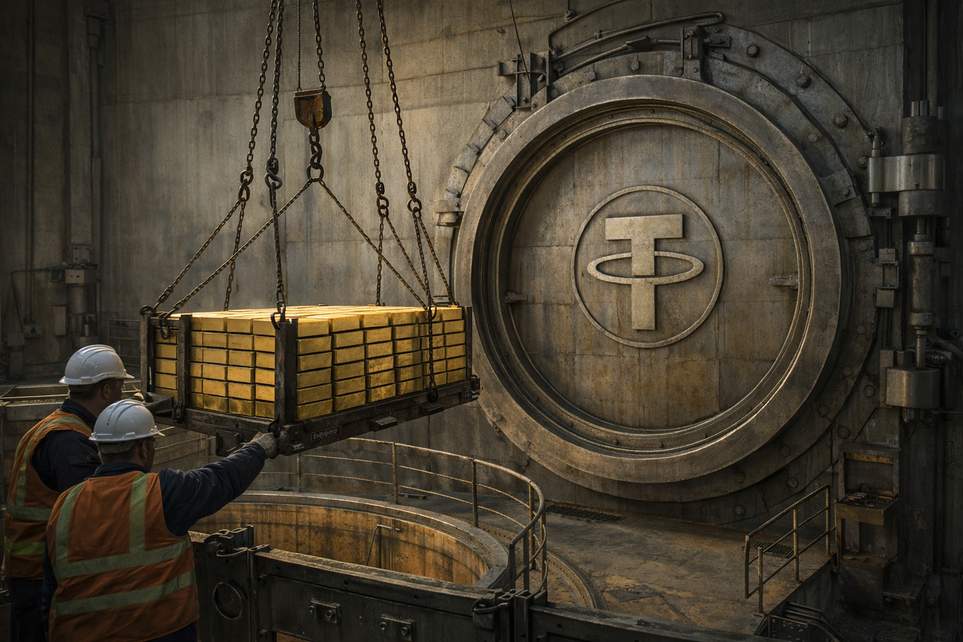
Tether’s Gold Rush: Hired HSBC Traders, Then Cut the Desk Right Before the Audit
Fast hires, faster fires
In a move that looked like headline-grabbing overconfidence, Tether scooped up two veteran precious-metals traders from HSBC to build a shiny new gold desk — then quietly dismantled it weeks later. The plan was bold: funnel roughly 10–15% of a $20 billion proprietary portfolio into physical gold and make a big play in tokenized bullion markets.
The hires were senior figures who’d run metals trading at a major bank, and the company even bragged about creating the world’s best gold trading floor. A few days after Tether announced hefty profits for 2025 and reported billions in excess reserves, the gold team was gone — just a few months into their stint and right as gold experienced a sharp monthly drop.
It reads like a startup TV episode in fast-forward: splashy hires, quick rebrand, then an abrupt course correction that landed the team on the chopping block before auditors arrived.
Why it matters — audit season, optics, and what could happen next
This wasn’t an isolated HR drama. The layoffs happened amid a broader tidy-up: an internal leadership shuffle, a formal engagement with a Big Four auditor for a full financial-statement audit, and a pause on a planned fundraising push until the audit wraps. In short, Tether appears to be simplifying the story it will show the auditors.
Timeline highlights — in plain English: a token launch early in the year, public talk of gold allocations, profit headlines, an investment-leadership handoff, a Big Four audit announcement, a fundraising hold, a token expansion to another chain, and then the gold-desk cuts. All of it maps to one goal: make the reserve picture clean, separate what’s “reserve” from what’s not, and avoid surprises when the auditors open the door.
Numbers matter here. Tether runs a very large stablecoin, and its USDT supply dwarfs many rivals. Reported figures showed a sizeable amount of gold on hand, a modest equity cushion as a share of total assets, and a relatively thin excess-reserve margin — the kind of arithmetic that makes auditors and regulators pay attention.
There’s regulatory pressure too. New proposed rules and central-bank attention are pushing stablecoin issuers to make their reserve systems fully traceable and well-documented. A full financial-statement audit (rather than the lighter attestations common in the space) signals Tether’s attempt to close credibility gaps and reassure investors and counterparties.
So what could happen? If the audit comes back clean and tidy, Tether reopens fundraising with stronger disclosure, institutional doors swing wider for USDT, and the gold desk’s brief life becomes a minor sunk cost. If the audit uncovers messy control or classification issues — especially in that $20 billion portfolio or affiliated entities — the fundraise could stay paused, auditors will ask more questions, and every commodity-price wobble will be headline fodder.
Bottom line: Tether seems to have traded a little of its “look-at-us” empire-building for something shinier in today’s markets — being auditable. Whether that trade pays off depends entirely on what the auditors find and how fast the company can finish the paperwork without tripping over its own complexity.
