
Traders Plowed $3 Billion into Binance After Bitcoin Spiked — What Are They Betting On?
What went down (and why traders sprinted in)
Bitcoin shot back above the $70K mark after a sudden ceasefire headline — briefly flirting with about $72,700 before cooling off near $71,500. In the two hours after the announcement, roughly $3 billion in taker buy volume flowed into Binance’s derivatives markets. In plain English: people raced to reposition fast once the headline landmines seemed to clear.
It wasn’t just crypto doing a happy dance. Oil tanked hard — Brent plunged into the mid-$90s and U.S. crude followed closely — while stock markets in Europe and Asia ripped higher. When headline risk gets clipped, money tends to slosh back into anything that looks risk-on, and crypto is usually first in line for the conga.
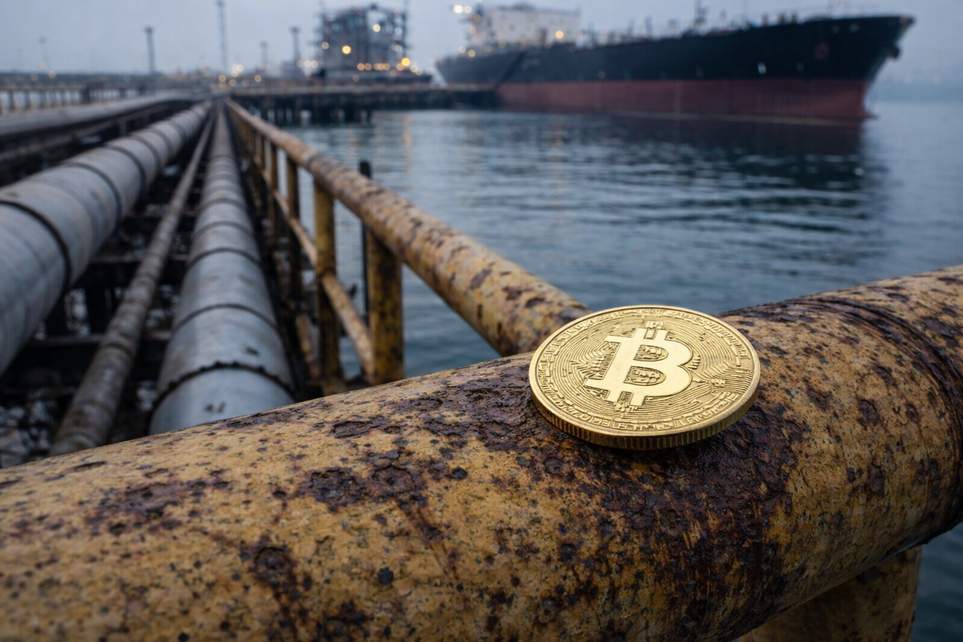
The Strait of Hormuz was the backstage villain here: roughly one-fifth of global oil shipments move through that narrow waterway, so any hint of normalized traffic immediately calms energy-price panic and eases one of the hottest macro worries—inflation getting a second wind from an energy shock.
Will this rally stick, or is it a fling?
Short answer: it depends. For Bitcoin to stay cozy above $70K, a few boring-but-crucial things need to behave. Tanker traffic through Hormuz needs to actually normalize. Oil prices have to remain well off panic territory, not rebound back toward the panic highs. Inflation gauges and the Fed’s next moves mustn’t revive fear, and big institutional flows should stop whipsawing from big inflows one day to big outflows the next.
On-chain and derivatives signals suggest the market is currently more relieved than convinced. Options traders, for example, dialed down short-term fear, but implied volatility dropped mainly because traders saw less chance of an immediate crash — not because everyone suddenly believes Bitcoin is on a stable stairway to the moon.
There’s also real supply overhead. Millions of BTC are still underwater and a chunky cluster of coins sits between roughly $80K and $126K, which means any push beyond current levels could run into sellers looking to get back to break-even. That overhead creates a cap on how quickly and smoothly a sustained breakout can form.
Institutional flows are zigzagging, too. Spot ETF-like products saw large swings in and out across recent sessions, which is not the pattern you expect if institutions were quietly stacking long-term exposure. Those stop-start flows make it harder for price action to build conviction.
So what would a durable rally look like? If tanker lanes stay open, oil holds down the panic premium, inflation signals calm, and spot demand stays positive (rather than alternating huge ins and outs), Bitcoin could comfortably trade in a $70K–$78K range, maybe nudging toward the low $80Ks if demand and sentiment both meaningfully improve.
Conversely, if the truce collapses and shipping snarls return, crude could spike again and investors would likely rush for cover — sending Bitcoin back toward the prior $62K–$69K band relatively fast.
At the end of the day, this was a textbook relief rally: headlines eased an obvious geopolitical risk, markets breathed, and traders moved first. Whether it becomes a long-term love affair or a short-lived rebound hinges on a handful of dull-but-decisive macro variables. Keep your helmet on.
