
UBS uMINT Hits Bybit — Yield-Bearing Collateral (With a Catch)
Quick take
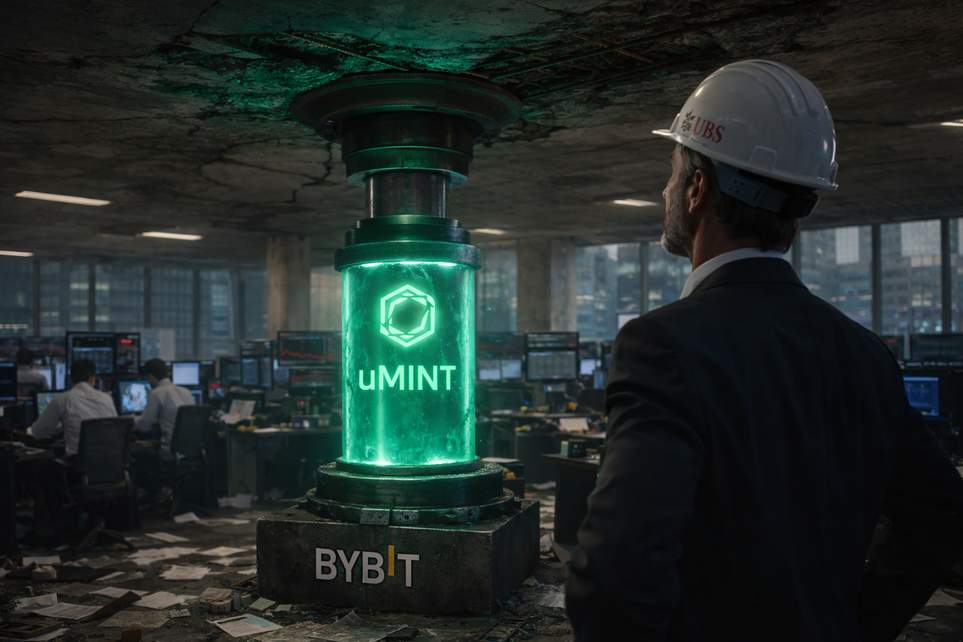
Calais Digital Assets has just tested a neat little plumbing trick: UBS’s uMINT token — a tokenized money-market fund — is now being treated as usable collateral inside a Bybit trading stack, while the actual position stays parked in institutional custody. Translation: cash that would normally sit idle as margin can technically keep earning yield while still backing trades. Sounds like magic. It isn’t magic. It’s a lot of legal, custodial, and operational elbow grease.
What changed (the short version)
On June 18, a three-way setup went live: a distributor gives regulated access to the uMINT token, a custody provider holds the actual position, and an exchange recognizes that custodied position as acceptable collateral. That means an institutional trading client can use a tokenized money-market position to support margin without moving the underlying asset onto the exchange books.
Why anyone cares: margin is expensive. Traditionally you’d park cash or stablecoins in a way that protects the exchange but kills your ability to earn anything on that money. This arrangement promises a compromise — the asset remains productive on the fund’s balance sheet while also serving as collateral in live trading.
Operationally this is the important bit. For a tokenized fund to be more than a marketing headline, exchanges, custodians, distributors, and legal teams all need to agree on custody rules, valuation sources, control rights, and settlement mechanics. This deployment is a live test of that coordination.
Why it matters — and the nagging caveats
This isn’t just about issuing tokens anymore. The conversation is shifting from how many tokens exist to whether these tokenized instruments can actually replace the dull-but-necessary bits of trading infrastructure: margin, settlement, liquidity, and risk control. If it works, funds could post yield-bearing collateral instead of stuffing cash under a digital mattress.
Still, don’t break out the champagne. The uMINT product here is small and careful by design: at the time of the report the tokenized fund showed roughly $18.7 million in total value, about 176,116 tokens, and 29 holders. That’s meaningful as a proof point, but early for broad adoption.
And the devil lives in the details. Publicly released info skips over some of the most important operational questions: what haircut does the exchange apply to this tokenized money-market collateral? How often is it repriced? What’s the exact liquidation waterfall if things go south? How do margin calls interact with the fund’s subscription/redemption windows? Those answers decide whether the setup behaves like cash or like a complicated financial Rubik’s cube during stress.
Legal and control issues matter too. Segregated custody can reduce some counterparty risk, but multi-party stacks raise questions about who can move assets and under what scenarios — especially if an exchange, custodian, or distributor runs into trouble. For now, materials indicate this route is aimed at authorized institutional investors, not retail margin traders, so expect a gates-and-qualifications rollout rather than a free-for-all.
In short: this is an attractive capital-efficiency idea — yield plus working collateral — but the model only becomes durable if all the operational controls hold up when markets get ugly: volatility spikes, forced deleveraging, liquidity squeezes, and counterparty failures.
So, cool experiment, clever plumbing, and a reminder that token issuance is only the first chapter. The real plot is whether more funds, custodians, and exchanges sign on with clear haircuts, transparent valuation rules, and predictable redemption mechanics. Until that happens, consider this a live demo with real promise — and a healthy serving of “prove it” energy.
