
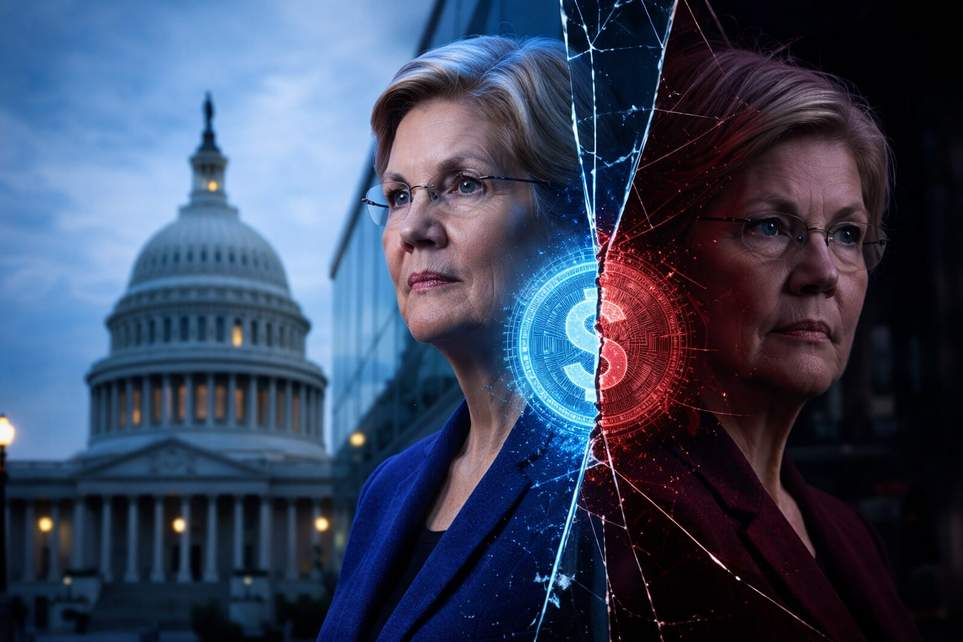
Warren Once Praised CBDCs — Then Helped Put a Pause on the Digital Dollar
Plot twist: the senator who once said central bank digital currencies could be useful has now signed onto a bill that effectively slams the brakes on a retail digital dollar—at least for a while. In a sweep of bipartisan housing legislation, lawmakers tucked in language that prevents the Federal Reserve from launching a consumer-facing CBDC until at least the end of 2030, and would require Congress to give a thumbs-up before anything similar could move forward afterward.
The surprising detour inside a housing bill
This didn’t happen on a dedicated fintech stage. It happened amid debates about homebuilding, permitting red tape, and corporate landlords. The massive housing package sailed through the Senate with overwhelming support, and buried inside the hundreds of pages was a provision that blocks the Fed from rolling out a retail digital dollar for the next several years.
That’s political theater: lawmakers often bundle unrelated items into big bills to get things done. In this case, a senator once open to the idea of a well-designed sovereign digital currency accepted that restriction as part of the broader compromise to push through major housing reforms.
Why it matters — and why it might not change everything
On the practical side, this pause may not upend much right away. The Federal Reserve had mostly been in study-mode about a digital dollar, not press-button-and-launch mode. The executive branch also moved to slow federal development, so the new law largely cements an approach already in place—only now it’s statutory instead of just an executive directive.
Statutes are stickier than executive orders. A future administration could revoke an order quickly, but changing a law or waiting for the ban to expire are harder paths—so this gives Congress more control over whether a retail CBDC ever gets off the ground.
That said, the measure doesn’t kill every form of tokenized innovation. Wholesale projects for banks, pilot programs for cross-border settlements, and research into tokenized securities or bank-to-bank systems can still continue. The ban is aimed at consumer accounts held at the central bank, not every use of digital tokens in finance.
Globally, many countries are still exploring or piloting CBDCs, so the U.S. taking a pause makes it an outlier among major economies. But being cautious isn’t the same as falling behind—research and selective experiments can continue without handing the Fed the go-ahead to run consumer wallets.
So yes: senator-turned-compromiser. The lawmaker who once praised the promise of a well-designed digital public currency helped deliver a legislative package that keeps a retail digital dollar on ice for the near term. Whether that’s strategic prudence or a missed opportunity depends on who you ask—either way, it’s a legislative mic drop that landed in a bill about houses, not headlines about high finance.
