
Circle’s New Trust Bank: It’s a Bank-ish Bank (But Not Really)
What Circle actually got (and didn’t get)
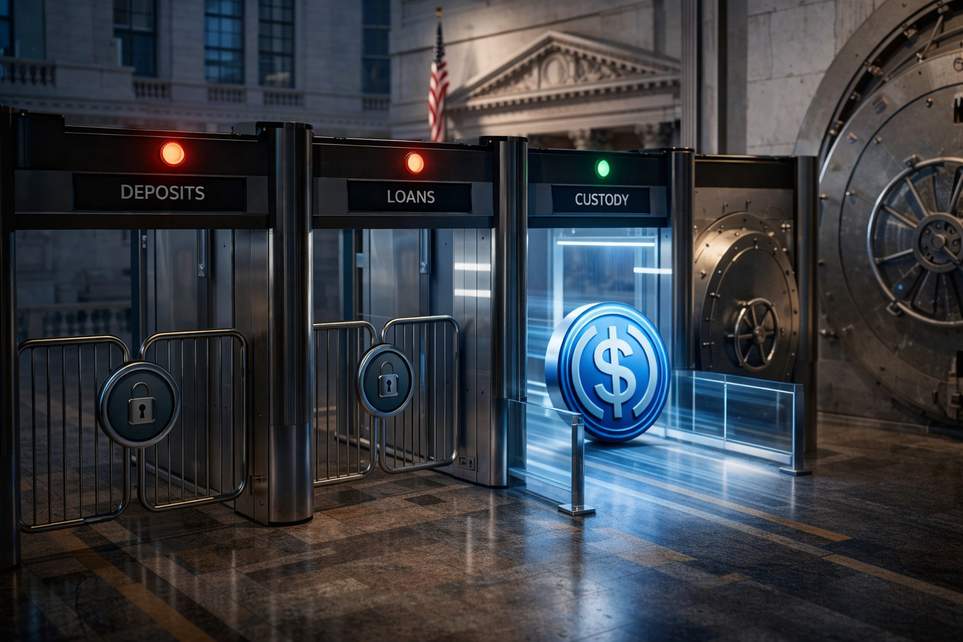
On July 10 the OCC gave Circle the green light to set up a national trust bank — legally named First National Digital Currency Bank, N.A., but doing business as Circle National Trust. Before you start picturing branches and free pens, know this: the charter is tightly focused. At opening the trust can act as a fiduciary custodian for digital assets under federal supervision, and that’s about it.
It cannot take ordinary retail deposits, make loans, offer checking or savings accounts, or provide FDIC-insured retail banking services. So no drive-thru tellers or flashy interest rates — just custody services under a federal trust framework.
Circle has said the bank might later add custody for a handful of other regulated institutions and could eventually handle USDC reserve management, but those are future possibilities, not launch-day features. There’s no announced opening date and no public checklist of the remaining operational steps.
Why this matters — and what comes next
Why bother then? The main payoff is control. A federal trust charter lets Circle fold key infrastructure—think custody and maybe reserve handling—under one roof instead of relying so much on outside firms. For regulated banks and institutions weighing partners, that centralized, federally supervised option could look attractive.
That doesn’t automatically mean more wallets, deeper liquidity, or that USDC will magically spread everywhere. Distribution and adoption are messy, competitive things. Other stablecoin projects are courting partners and building their own rails, so this charter is a strategic move, not an all-consuming victory lap.
There’s also political pushback. Some community banking groups have argued that national trust charters enable fintechs to gain bank-like advantages without the full capital and consumer-protection rules that apply to insured commercial banks. Regulators decided to approve the charter anyway, so expect that conversation to keep simmering.
The real tests are practical: when Circle National Trust actually opens, will outside institutions sign up for custody? Will reserve management be migrated into the trust? Until those boxes are ticked, Circle has federal supervision for custody — which is a meaningful milestone — but not the deposit-taking, lending, and retail banking powers most people imagine when they hear the word “bank.”
In short: Circle got a federally supervised trust that’s perfect for babysitting digital assets. It’s a bank-like move with bank-like ambitions — just not a full-on retail bank. Pop the confetti, but keep your expectations leveled.
