
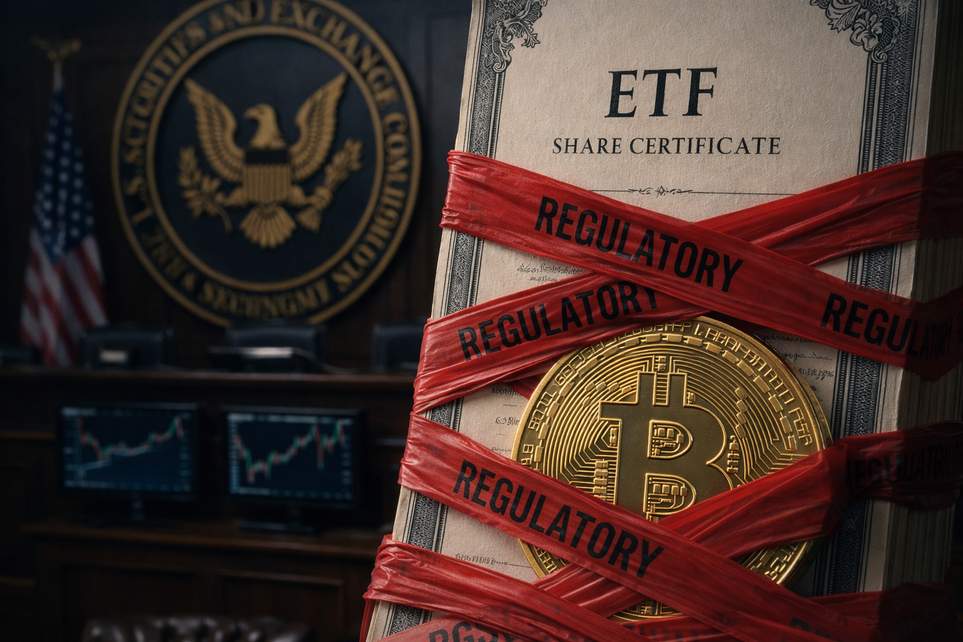
Crypto won the ETF fight — now the SEC is asking if the wrapper can handle the baggage
How ETFs went from handy to heavyweight
ETFs started as the financial world’s microwave dinner: fast, tidy, and reliably satisfying. Buy a slice of the market, toss it into your retirement account, and move on with your life. That convenience rewired both how people invest and what product makers thought they could sell.
Because ETFs are so easy to understand on the surface, issuers have been tempted to cram all kinds of exotic stuff into the same package. Want leverage? Throw it in. Fancy derivatives? Yep. A basket of oddball assets? Sure. The problem: shoppers still treat the wrapper like a simple grocery item while the ingredients get more like a science experiment.
The regulator has noticed. A recent review is asking a blunt question: how much complexity, leverage, derivatives exposure, or valuation risk should be allowed inside something most investors assume is straightforward? In short, when does the convenient ETF label stop being honest about what’s inside?
Why crypto and other novel ETFs are getting squinted at
Not all new ETFs are created equal. The ones that raise eyebrows share similar traits: underlying markets that move differently than stocks, messy liquidity, or structures that depend on layered assumptions about pricing. Crypto checks a lot of those boxes — volatile prices, trading that never sleeps, fragmented markets, and custody needs that aren’t tradition-friendly.
There’s also the political theater. Each approval or rejection sends a loud signal about how regulators view an asset class, so decisions about these products get more than just financial attention. That makes the review process feel like both a technical inspection and a public debate.
One technical wrinkle: some products that look like ETFs aren’t actually governed by the same legal rules as ordinary funds. That label confusion matters because it affects what investors can reasonably expect about valuation, disclosure, and protections.
What could change? Regulators are likely to press on limits: how much leverage is allowed, whether certain derivative strategies are off-limits inside a retail wrapper, and whether some asset types need stricter disclosure or different labeling. The goal isn’t to kill innovation — it’s to make sure the wrapper doesn’t disguise risk that buyers can’t or won’t evaluate.
For investors the takeaway is simple (and boringly sensible): don’t trust a label. Look past the ETF ticker and ask what actually lives in the fund. For issuers, the message is: if you want mainstream distribution, make products that still make sense when someone peels off the wrapper and reads the ingredients.
ETF policy quietly shapes how millions save, advise, and trade. The way regulators draw the line on complexity will help decide whether new asset classes arrive as transparent building blocks or as opaque, sugary snacks that look nice but leave a mess when the market hits a bump.
In short: the wrapper won the popularity contest, but now the referee is checking whether the outfit actually fits.
