
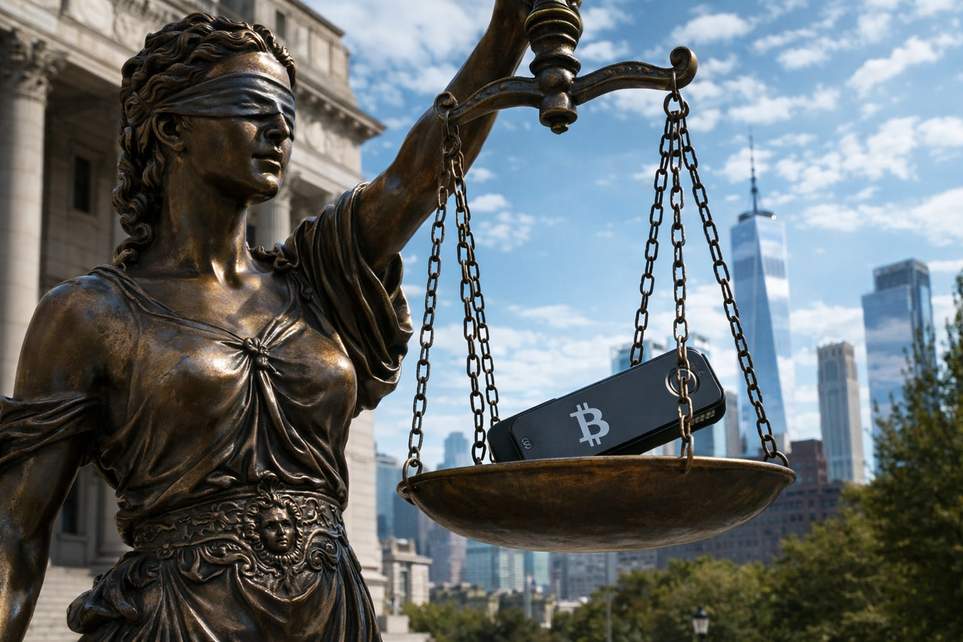
A $240B Dormant-Bitcoin Lawsuit Stumbles After an Old Address Wakes Up
The case, the court pause, and the sleepy wallet that woke up
A New York lawsuit that asks a judge to hand over title to 39,069 Bitcoin addresses hit the brakes this month. The court put further action on hold after an order to show cause on June 5, pausing the plaintiffs’ push for a quick, uncontested judgment until a July 14 hearing on a proposed friend-of-the-court filing.
The timing got spicy because, just days earlier on June 2, an old Bitcoin address connected to the dispute moved roughly 35.55 BTC after years of silence. Nobody in the public record has identified who signed that transaction or why — only that the coins were moved. That tiny action poked a big hole in the plaintiffs’ idea that long inactivity equals abandonment.
To put scale on this: the lawsuit targets tens of thousands of addresses that a researcher estimated contained about 3,799,629 BTC — roughly $239.6 billion at recent prices. Whether that number is precise or dramatic, it explains why people beyond the courtroom are watching closely.
Why the wake-up call matters: law vs. private keys
At heart the fight is a clash of two realities. Courts decide legal ownership and can issue judgments that rearrange legal relationships. Bitcoin, however, only listens to valid digital signatures. If you don’t have the private key, you don’t get to spend the coins — no judge’s gavel will change that fact on the blockchain.
The plaintiffs framed their request under a lost-and-found-style provision in state law, asking the court to declare the addresses abandoned. An outside attorney’s proposed brief argues the statute was written with physical property in mind — think keys, not cryptographic secrets — and that simply spotting an address on a public ledger isn’t the same as legally or physically taking possession of the coins behind it.
The June 2 transaction is the clearest reality check so far: inactivity isn’t proof of loss. People and institutions can sit on keys for years, estates sometimes forget them, and miners or hodlers might simply be quiet. One confirmed spend shows that silence alone can be a lousy shortcut to calling something abandoned.
That doesn’t mean a court declaration is meaningless. A judgment could create off-chain leverage: if coins later travel to a regulated exchange, custodian, or other place that answers to court orders, a party with a New York ruling might try to stake a competing claim and force the issue in traditional legal venues. But that’s a fight about institutions, not a magical way to generate private keys.
So the upcoming hearing matters. Will the case move forward as a default-style victory for the plaintiffs, or will the court let a fuller challenge to the core idea — that long quiet equals lost — play out? Until July 14, the loudest fact on the record is simple and stubborn: at least one supposedly dormant address moved because someone could sign.
The dispute is a neat illustration of why digital property raises awkward questions for old laws. The courtroom toolbox is great for titles and liens and enforcement, but it doesn’t contain a key generator. Whoever drafts the legal outcome will need to explain how time, public visibility, and possession interact when the thing you’re claiming exists only if someone can sign a transaction.
