
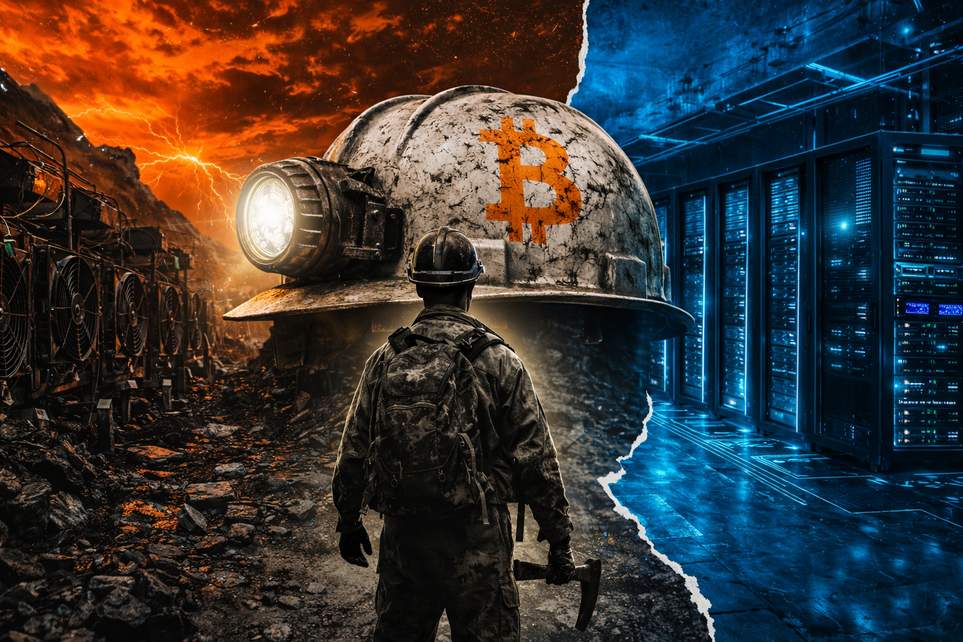
Bitcoin Miners Flee to AI — Smart Move or Premature Panic?
The migration: why miners are cozying up to AI
Bitcoin miners have been quietly turning off rigs for fun and profit and flipping switches toward AI data centers instead. After the recent block reward halving and a pretty unlucky stretch of lower BTC prices, mining payouts have gotten squeezed. Less reward per block plus stubborn competition on the network means older machines are flirting with breakeven — not exactly retirement material for investors.
That pain has made the other side of the fence look very attractive: companies that run data-center space can charge customers much more for steady, long-term electricity and rack capacity than they ever could from mining alone. In plain terms: selling access to reliable power and space to AI teams often pays way better per watt than selling hashing cycles.
Some miners have already started repurposing land, grid hookups and colocation facilities into high-density AI hosting. The numbers behind those moves are hard to ignore. One formerly big miner reported its colocation revenue jumping from the low millions to well into the triple digits year-over-year, while its self-mining receipts plunged — and colocation posted far healthier margins.
The risk: this pivot might be a case of bad timing
Not everyone thinks this is a guaranteed touchdown. Some industry researchers warn that miners could be swapping optionality for long-term leases and huge buildouts just as Bitcoin might be waking up. If AI demand grows slower than expected or if hyperscalers overinvest, the golden era of AI colocation pricing could cool off fast.
Part of the danger is cost and commitment. Converting or building AI-grade facilities is not cheap — we’re talking an order of magnitude more capex per megawatt than typical mining expansions. That means longer payback periods and bigger tickets to finance. If AI clients pause or capacity outstrips demand, projects built for heavy compute could struggle to fill racks at the premium rates miners are counting on.
Meanwhile, bitcoin’s economics aren’t fixed in amber. If BTC prices rebound or hashprice improves, the gap between mining profits and AI hosting narrows. Firms that have already redirected power and signed multi-year deals will have less flexibility to flip back — they’ll have surrendered the optionality that comes with being able to quickly scale mining up or down.
So the core dilemma is timing: pivot now for healthier short-term cash flows, or hold your mining nose and keep the ability to chase a potential crypto recovery. Either choice has trade-offs — and the ones who jump ship too early might be looking at some awkward regret emails to the board within a year.
In short: the move into AI infrastructure makes a lot of business sense right now, but it’s not a no-brainer. It’s a classic “good solution for a messy moment” — possibly brilliant, possibly premature. Buckle up; it’s going to be entertaining to watch who wins the bet on which superpower—coins or compute—dominates the next chapter.
